
Vandaag of morgen in huis

Kwaliteit gegarandeerd

Welkomstaanbiedingen ontgrendelen: GRATIS bezorging | Tot 80% korting | Gratis 30 dagen JoyPlus-proefperiode
Download de app
Korean face masks come in many forms: from a quick sheet mask to a clay mask, hydrogel mask or a nourishing overnight mask. This wide range can make comparing them tricky. A pretty package or a claim like “glow” doesn’t automatically tell you whether a mask suits your skin type and routine.
Pay particular attention to three common pitfalls:
The texture and usage time determine whether a product fits practically into your routine.
Always check the packaging for the official usage instructions. Leaving it on longer isn’t automatically better and can actually be uncomfortable with exfoliating ingredients.
For a hydrating face mask, ingredients worth looking at include glycerine, hyaluronic acid, betaine, panthenol and ceramides. A Centella mask contains Centella asiatica, an ingredient often chosen for a soothing skincare routine.
If you want to tackle a dull complexion, look for niacinamide, rice extract or other ingredients linked in product descriptions to a more even appearance. With a collagen mask, it’s wise to consider the formulation as a whole. Collagen in a cosmetic product doesn’t in itself make any medical or structural promise about the skin.
For oilier skin, a clay mask with kaolin could be of interest. Rice powder or other exfoliating ingredients can make the skin feel smoother, but use them sparingly if your skin reacts quickly.
A mask for sensitive skin isn’t automatically suitable for everyone. Look at the full ingredients list and watch out for fragrance, essential oils, retinol, vitamin C and exfoliating acids such as PHA, AHA or BHA.
The SOME BY MI formula, for example, contains gluconolactone, a PHA. According to the product information, this can increase sensitivity to sunlight; therefore, use sun protection during the day. The product is also recommended for use 1 to 2 times a week, not as a daily mask.
When trying a new product, first do a patch test according to the instructions. Do not use face masks on damaged skin and stop if you experience irritation, redness, a burning sensation or swelling. If symptoms persist, seek advice from a doctor or dermatologist.
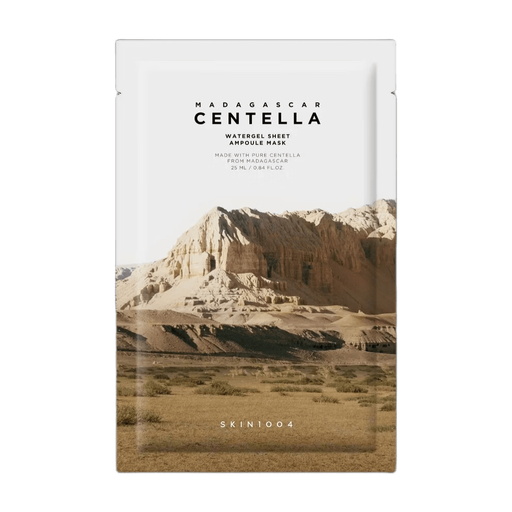
Why this fits the profile: A single sheet mask is a simple way to try K-beauty without buying a large pack straight away. According to the product information, the usage time is 10 to 20 minutes.
The instructions give a clear treatment time and state that the mask should be disposed of after one use. The ingredients list can be checked in advance.
Centella asiatica, glycerine and hyaluronic acid are in the formula. The sheet contains 25 ml of essence.
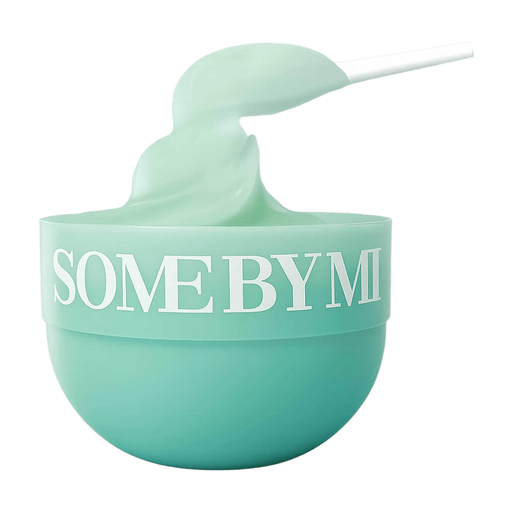
Why this fits the profile: The powder format is suitable for users who want to schedule a weekly treatment and don’t mind mixing a mask.
The dosage is clearly described: approximately 45 ml of water, one sachet and a 10-minute treatment time. The PHA warning is also included with the usage information.
Vegan powder formula, 10 sticks per pack and, according to the product description, fragrance-free. The formula contains gluconolactone, glycerine and sodium hyaluronate, among others.
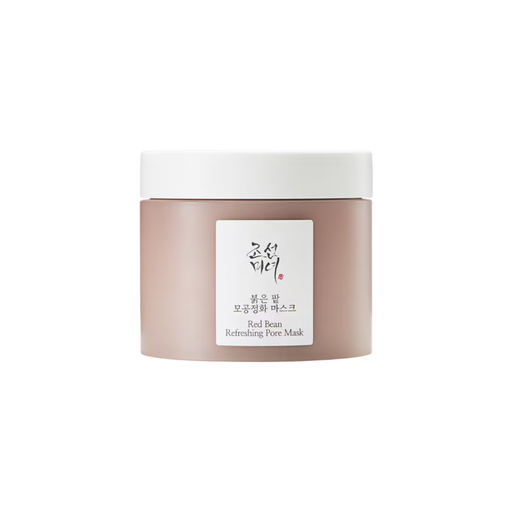
Why this fits the profile: This is a practical choice for anyone looking for a pore-cleansing mask with kaolin and red bean ingredients in a 140 ml tube.
The recommended wear time is 5 to 10 minutes. This makes the application clearly defined and prevents the clay from staying on the skin unnecessarily long.
Kaolin is high on the ingredients list and rice powder is mentioned as a mildly exfoliating component. The packaging is a 140 ml tube.
We’ve put together a full, up-to-date list of products that fully meet these strict selection criteria and comply with current European safety regulations.
That depends on the formula. A simple hydrating sheet mask can be used regularly according to the product instructions, while a clay mask or PHA mask is usually needed less often. Always follow the instructions on the packaging and pay attention to how your skin reacts.
Look for hydrating ingredients such as glycerine, hyaluronic acid, panthenol, betaine and ceramides. An overnight mask, such as a rice or propolis formula, can be practical when you want to lock in extra moisture in the evening. However, check whether fragrance or essential oils are in the formula if your skin reacts quickly.
Not automatically. Brightening formulas can contain ingredients such as niacinamide, vitamin C, acids or retinol. Check the ingredients list, do a patch test and use sun protection during the day if the packaging warns you to. Expect cosmetic care and a fresher appearance, not a medical treatment.
