
Vandaag of morgen in huis

Kwaliteit gegarandeerd

Welkomstaanbiedingen ontgrendelen: GRATIS bezorging | Tot 80% korting | Gratis 30 dagen JoyPlus-proefperiode
Download de app
Korean face masks come in many forms: from a simple sheet mask for a quick moisture boost to a hydrogel face mask that stays on for several hours. This wide range can make comparisons tricky. A packet with words like “glass skin”, “collagen” or “anti-ageing” doesn’t always tell you how the mask will fit into your routine.
So pay close attention to the ingredients list, the usage instructions and the number of masks per pack. That way, you avoid paying for an appealing marketing story when the product doesn’t match your skin type or the time you have available.
Terms like face mask for wrinkles, “lifting” and “brightening” usually describe the intended cosmetic effect. They are no guarantee that wrinkles, pigmentation spots or redness will disappear. According to some brands’ own research, users may report more hydration or a smoother appearance after a single application, but such results are not automatically the same for everyone.
Instead, look for verifiable information, such as the ingredients, amount of product, application time and frequency of use.
A retinol face mask or a formula with acids and vitamin C requires more care than a simple hydrating face mask. Retinol can increase sensitivity to sunlight. A product with citric acid, ascorbic acid or fragrance oil can also cause sensitivity in some users.
A patch test, gradual introduction and daily use of sunscreen are sensible precautions. Stop if you experience a burning sensation, swelling, itching or persistent redness.
A pack of 30 sheet masks may seem good value, but also check:
A hydrogel face mask that needs to stay on for three to four hours won’t suit everyone. For a busy morning, a sheet mask that takes 10 to 20 minutes may be more practical.
For dryness, glycerine, hyaluronic acid, panthenol, ceramides and betaine are common ingredients. If you mainly want to tackle a dull complexion, look for niacinamide, galactomyces, glutathione or alpha-arbutin. These ingredients don’t guarantee a specific result, but they do make it clear what the formula is targeting.
A collagen face mask often contains collagen extract or hydrolysed collagen. Check whether moisturising ingredients are also present, because collagen alone doesn’t tell you much about the overall hydrating power of a formula.
A sheet mask is thin and quick to apply. A hydrogel face mask generally adheres closely and can become transparent when worn for longer. That doesn’t automatically mean all the ingredients are fully absorbed; follow the instructions on the packaging.
Also pay attention to the shape around the nose, eyes and mouth. A 3D mask may fit the jawline better, while a classic sheet mask can slip more easily when you move around upright.
Use a mask on a cleansed face and stick to the recommended time. A single-use mask should not be reapplied. Extra care is needed with retinol products: according to the product information from SOME BY MI, the formula contains 0.1% retinol and retinal. The brand advises using sun protection and introducing it gradually. If you are pregnant or breastfeeding, it is sensible to consult a healthcare professional.
If you have sensitive skin, always check the full INCI list. Fragrances, essential oils and certain preservatives can be a concern for some people.
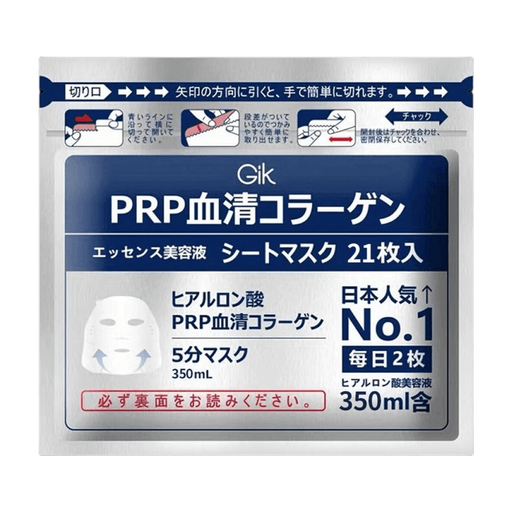
Why this fits the profile: With 21 masks and a recommended wear time of around five minutes, this is an easy choice for anyone wanting to try Korean skincare without commitment.
The quantity and number of pieces are clearly stated. However, check the fragrance in the INCI list if your skin reacts quickly.
21 pieces per pack; contains glycerine, niacinamide, hyaluronic acid and hydrolysed collagen.
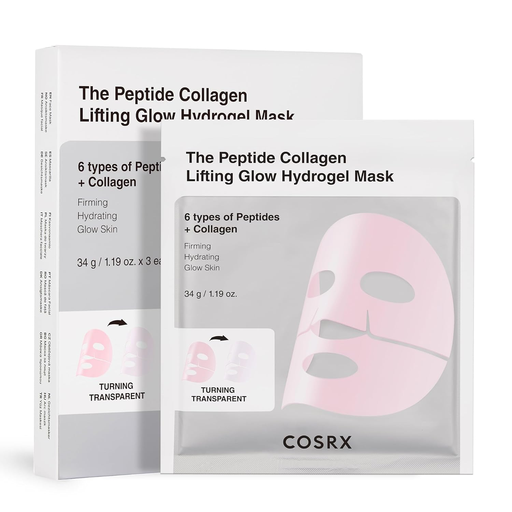
Why this fits the profile: The hydrogel structure, peptides, collagen, hyaluronic acid and ceramides suit an intensive pampering session without daily use.
The recommended wear time of two to three hours is clearly stated. So you won’t buy this product expecting a quick ten-minute mask.
Three masks of 34g each; contains six peptides, multiple ceramides and different forms of hyaluronic acid.
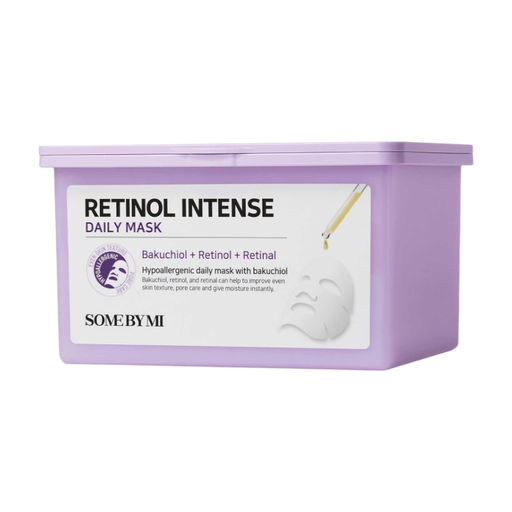
Why this fits the profile: This is aimed at users who already know retinol and want to build a consistent routine with one mask from the pack per use.
The retinol concentration of 0.1% and the warning about sun sensitivity are stated in the product information. Introduce use gradually and do a patch test first.
30 sheet masks; contains retinol, retinal, bakuchiol, niacinamide and multiple forms of hyaluronic acid.
We’ve put together a full, up-to-date list of products that fully meet these strict selection criteria and comply with current European safety regulations.
A simple hydrating sheet mask can be used several times a week according to the product instructions. With retinol, acids, vitamin C or fragrances, it’s wiser to start less often. Always follow the recommended frequency and application time on the packaging.
The expiry date is on the packaging. Once opened, masks can dry out more quickly, especially if a pot or bulk pack isn’t sealed properly. Store them in a cool, dry place away from direct sunlight. A hydrogel mask or sheet mask is generally for single use only.
That depends on the formula. Choose a short ingredients list without known personal triggers and do a patch test beforehand. Do not use a mask on damaged, irritated or sunburnt skin. If you have a persistent reaction, stop using the product and seek medical advice.
