
Vandaag of morgen in huis

Kwaliteit gegarandeerd

Welkomstaanbiedingen ontgrendelen: GRATIS bezorging | Tot 80% korting | Gratis 30 dagen JoyPlus-proefperiode
Download de app
A Korean skincare routine can start simply with a single face mask, but there is a huge range to choose from. Are you mainly looking for hydration, soothing care or a radiant glow? You will soon come across terms such as “collagen”, “PDRN”, “glow” and “barrier repair”. On their own, these words do not tell you whether a product is right for your skin.
That is why you should pay attention to the format, ingredients, wear time, contents and warnings. This will help you avoid buying a mask that feels too heavy, does not last long enough or proves impractical for your routine.
A collagen face mask can temporarily leave skin feeling supple thanks to hydrating ingredients and a smoothing layer. That does not necessarily mean that collagen is replenished deep within the skin. Also look for glycerine, hyaluronic acid, panthenol, ceramides and niacinamide.
The same applies to a PDRN face mask. PDRN or Sodium DNA may be part of the formula, but it is sensible to check the full ingredients list and directions rather than relying only on the front of the packaging.
A face mask for sensitive skin should offer more than an appealing product name. Check whether it contains fragrance, essential oils or exfoliating acids. If you have redness, a damaged skin barrier or irritated skin, a short application time is often a better choice than an intensive overnight treatment.
Some brands state in their product descriptions that their formulas are suitable for sensitive skin. Treat this as information from the brand, not a medical guarantee. Test a new product on a small area of skin first and stop using it if you experience burning, swelling or persistent irritation.
You usually wear a sheet mask for 10 to 20 minutes. According to the product instructions, a hydrogel face mask can remain on the skin for several hours and become transparent. This requires more planning and can be inconvenient if you are moving around or sleeping.
An overnight face mask in a jar is easier to incorporate into an evening routine, but you take a fresh portion from the same container each time. Pay extra attention to hygiene, shelf life and closing the jar properly.
Also consider the fit. A mask that is too large or does not stay in place properly will be less convenient in practice, regardless of its ingredients.
For a hydrating face mask, glycerine, betaine, sodium hyaluronate and various forms of hyaluronic acid are relevant ingredients. Ceramides, shea butter or squalane may be worth considering if you have dry skin.
If you are mainly looking for a soothing face mask, look for Centella asiatica, panthenol, allantoin and dipotassium glycyrrhizate. A Centella face mask is not automatically fragrance-free, so always check the INCI list.
Niacinamide is found in many different formulas and is often used for hydration and a more even-looking complexion. Brand product descriptions may also use terms such as “firming” or “radiance”. Treat these terms as cosmetic positioning and compare them with the actual ingredients.
A pack containing 10 individual sheet masks is not necessarily better value than four intensive hydrogel masks. Divide the price by the number of masks and check whether each mask is intended for single use.
Pay attention to:
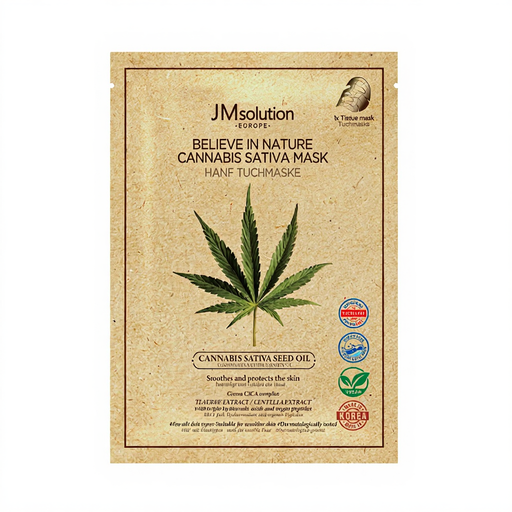
Why it suits this profile: A pack of 10 sheet masks is practical if you want to try Korean skincare at your own pace or use a mask regularly.
The number of masks is clearly stated. This makes it easier to compare the cost per use with smaller hydrogel sets in advance.
10 masks; sheet-mask format; the product description mentions Cannabis Sativa seed oil and use as a weekly treatment.

Why it suits this profile: Ideal for anyone looking for an intensive hydrogel face mask with a longer application time and a focus on hydrating ingredients.
The application time is clearly specified: 3 to 4 hours during the day or overnight, until the mask becomes transparent.
4 masks of 34 g; the ingredients list includes panthenol, ceramide NP and several forms of hyaluronic acid.
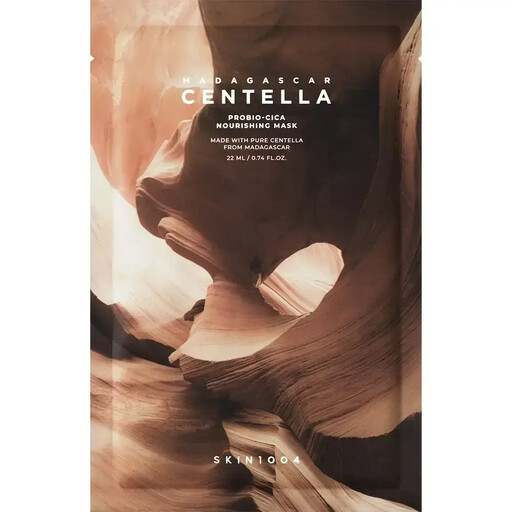
Why it suits this profile: This sheet mask is designed for a 10- to 20-minute treatment, making it easy to fit into a short evening routine.
The product description mentions ceramides and fermented Centella asiatica extract. Check the full INCI list if your skin is sensitive to certain ingredients.
According to the product information, suitable for dry, normal, combination and sensitive skin; soft sheet and rich essence.
We have put together a complete, up-to-date list of products that fully meet these strict selection criteria and the applicable European safety regulations.
A mask containing PHA, such as a wash-off formula with spirulina, may make your skin more sensitive to sunlight. Follow the warnings on the packaging and use sun protection during the day.
It depends on the formula. Many sheet masks are suitable for use once to a few times a week. Intensive hydrogel masks are often used once or twice a week. Always check the brand’s instructions and reduce the frequency if irritation occurs.
Usually 10 to 20 minutes, but the product instructions take priority. Hydrogel masks can have a much longer application time, such as 2 to 4 hours. Remove a mask as soon as your skin feels uncomfortable or when the stated time has elapsed.
For dry skin, look for hydrating ingredients such as glycerine, betaine, hyaluronic acid and ceramides. For sensitive skin, a fragrance-free, soothing formula containing ingredients such as Centella asiatica, panthenol or allantoin may be suitable. Always patch-test new Korean face masks on a small area first and never use a mask on damaged skin.
