
Vandaag of morgen in huis

Kwaliteit gegarandeerd

Welkomstaanbiedingen ontgrendelen: GRATIS bezorging | Tot 80% korting | Gratis 30 dagen JoyPlus-proefperiode
Download de app
Korean face masks are popular because they let you easily add an extra pampering step at home. However, a pretty packet or a promise like “glow” doesn’t guarantee a mask will suit your skin. The right choice depends mainly on the formula, how long you wear it, your skin’s needs, and any sensitivities you may have.
In this guide from the Joybuy Product Recommendation Officer, we compare popular options for hydration, a radiant complexion, soothing care, and a firmer look. Our recommendations are based on verifiable product information, such as ingredients, volume, size, and usage instructions.
Words like “whitening”, “anti-wrinkle” and “glass skin” often describe the desired look, not a guaranteed effect. According to a brand’s own research, certain results may have been measured after use, but such claims don’t automatically apply to every user.
So, pay attention to the ingredients list. Niacinamide, glycerin and hyaluronic acid are frequently used in hydrating or brightening formulas. Ingredients like centella asiatica, madecassoside and allantoin commonly appear in masks aimed at a comfortable skin feel.
A sheet mask doesn’t become infinitely more effective the longer you wear it. Instructions vary by product:
Always check the packaging. Do not reuse a single-use mask.
A mask may contain plant extracts and still be less suitable for every sensitive skin type. Look out for fragrance, limonene, tea tree oil, alcohol, and exfoliating acids. For example, the SKIN1004 Tone Brightening Glow Mask contains betaine salicylate, capryloyl salicylic acid and gluconolactone. That makes a patch test especially wise if your skin reacts quickly.
A sheet mask is practical for a quick pampering session. A hydrogel face mask often adheres closely to the skin and can have a longer wear time. Don’t just look at the name; also check:
A set of 10 masks is handy if you want to use a hydrating face mask several times a week. A set of 3 or 4 hydrogel masks is better suited to a planned treatment.
For dry skin, look for glycerin, panthenol, ceramides and various forms of hyaluronic acid. If you mainly want to tackle a dull complexion, look for niacinamide, vitamin C derivatives or rice extract.
A vitamin C face mask, for example, can be aimed at a more radiant-looking complexion. If you have reactive skin, it’s wise to try one product at a time rather than introducing several active ingredients at once.
For barrier-focused care, centella asiatica, madecassoside, ceramide NP and allantoin are common ingredients. A centella face mask can therefore fit into a soothing routine, without replacing medical treatment.
Choose products with a clear ingredients list, usage instructions, volume and expiry information. Store Korean skincare in a cool, dry place away from direct sunlight and according to the instructions on the packaging.
When trying a new product, do a patch test first, especially with a mask for sensitive skin. Stop using it if you experience redness, itching, swelling or a burning sensation. Avoid contact with the eyes and use sun protection during the day if the formula contains retinol, salicylates or other exfoliating ingredients.
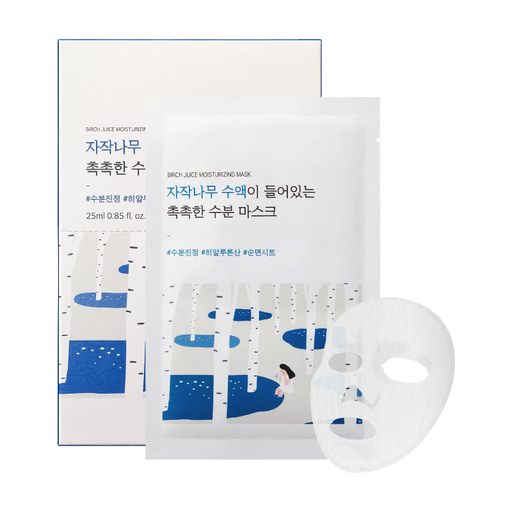
Why this fits: A practical face mask set for anyone wanting to ease into Korean skincare. The individual masks suit a short weekly pampering session.
The packaging states 10 masks of 25 ml and a wear time of 10 minutes. So you don’t have to guess how often you can use the product.
Contains birch sap, glycerin, sodium hyaluronate and allantoin, among other ingredients.
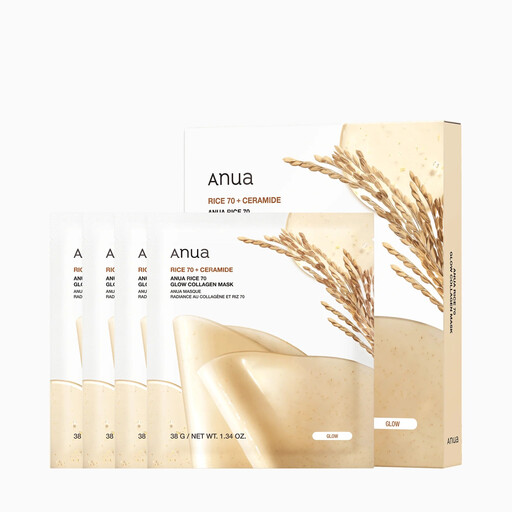
Why this fits: For anyone looking for a hydrogel face mask with a longer wear time, for example during a relaxing evening at home.
The product information states a minimum of 3 hours or overnight use. That’s clearly different from a standard sheet mask’s 10 to 20 minutes.
Contains rice extract, niacinamide, soluble collagen, ceramide NP and multiple forms of hyaluronic acid.
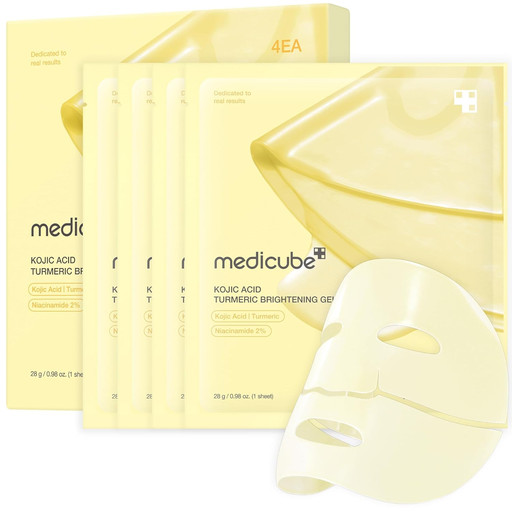
Why this fits: An option for users specifically seeking a brightening face mask with kojic acid, turmeric and niacinamide.
The wear time is specific: 3 to 4 hours during the day or overnight. The formula contains retinol, so a patch test and sun protection are important.
According to the product description, the jelly texture becomes transparent while worn. The set contains 4 masks of 28 grams each.
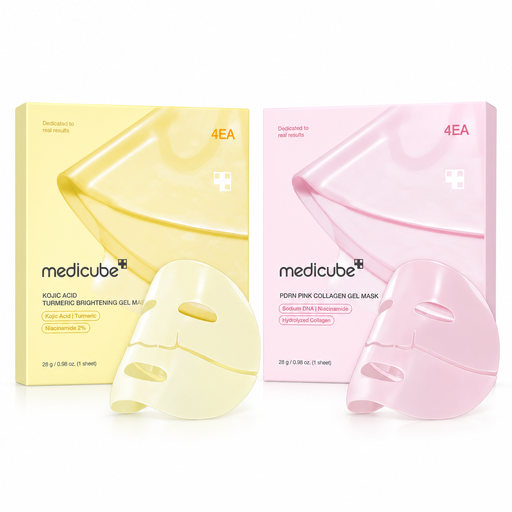
Why this fits: Handy when you don’t have the same need every day and want to alternate between brightening and care focused on hydration and a supple skin feel.
The set clearly indicates which variant you’re using: 4 kojic acid-turmeric masks and 4 PDRN-collagen masks. So you’re not buying one formula for every situation.
Contains two clearly distinct mask types with ingredients such as niacinamide, collagen, PDRN and kojic acid.
Browse a current selection of lightweight face masks and compare products by skin need, size, ingredients and wear time.
That depends on the product and the formula. A simple hydrating sheet mask, for example, can be used once to several times a week if the packaging says so. Masks with retinol, salicylates, vitamin C or other active ingredients require more caution. Follow the usage instructions and don’t combine several intensive products at once.
A sheet mask usually consists of a fibre or tissue sheet soaked in essence. It’s typically designed for 10 to 20 minutes. A hydrogel mask has a gel structure and generally adheres differently to the skin. Some variants are intended for several hours or overnight. The wear time and composition on the packaging are what matter.
For dry skin, look for glycerin, panthenol, hyaluronic acid, ceramides and shea butter. For sensitive skin, a short wear time, a simple formula and a patch test are wise. A centella face mask can be appealing for a soothing routine, but also check for fragrance, limonene, tea tree oil and acids. Stop if irritation occurs and seek medical advice if symptoms persist.
