
Same-day & Next-day Delivery

Quality Guaranteed

Unlock Your Welcome Offers: FREE Delivery | Up to 80% OFF | Free 30-day JoyPlus trial
Download the APP
Korean face masks come in many forms, from a classic sheet mask worn for fifteen minutes to a hydrogel face mask that stays on for several hours or overnight. With so much choice, it’s not always easy to know which one to pick. A glossy packet or a promise of collagen doesn’t necessarily mean a mask is right for your skin, routine or the occasion.
Look out for these common pitfalls:
For a hydrating face mask, ingredients such as glycerine, hyaluronic acid, panthenol and betaine are worth looking for. If you’re looking for skin that appears plumper or feels more supple, a collagen face mask may be a good option. Bear in mind that collagen in cosmetics is mainly used as a skincare ingredient; it doesn’t guarantee a reduction in wrinkles.
A brightening face mask often contains niacinamide, vitamin C derivatives or glutathione. If your skin reacts easily, always check whether fragrance or alcohol appears near the top of the ingredients list. Take extra care with a retinol face mask: use it only as directed on the label, and don’t combine it with other powerful active ingredients without careful consideration.
Also check whether the mask comes in one piece or two. A two-piece mask can make it easier to apply around your nose, mouth and jaw.
A low price per pack doesn’t tell you much without knowing how many masks it contains and how much product is in each one. A 75 ml product in a pot may provide several applications, while an individually wrapped mask is for single use. Check how often it’s recommended: a weekly hydrogel mask is a different purchase from a set of 21 sheet masks for regular use.
Store masks in a cool, dry place, away from direct sunlight, and follow the instructions on the packaging. Don’t reuse a single-use sheet mask. If you have sensitive skin, carry out a patch test on a small area of skin first, and stop using the product if you experience redness, itching, a burning sensation or any other irritation. Don’t apply a mask to broken or irritated skin.
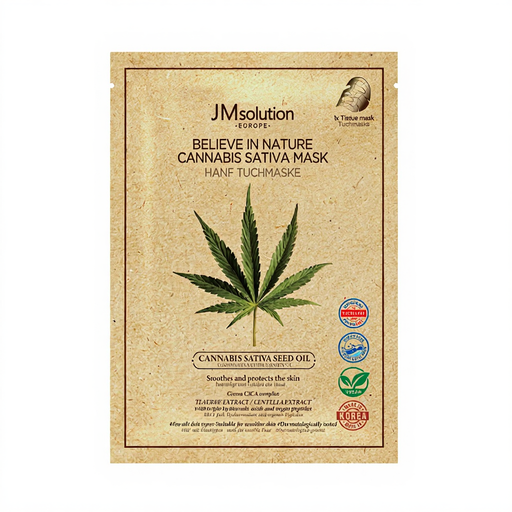
Why it suits this profile: The pack contains 10 sheet masks, making it an easy way to try Korean skincare without committing to a large pot of product.
The number of masks is clearly stated. If you’re sensitive to fragrance or plant extracts, be sure to check the full ingredients list.
10 individually wrapped masks; designed to hydrate and offer a comfortable skincare treat, according to the product description.
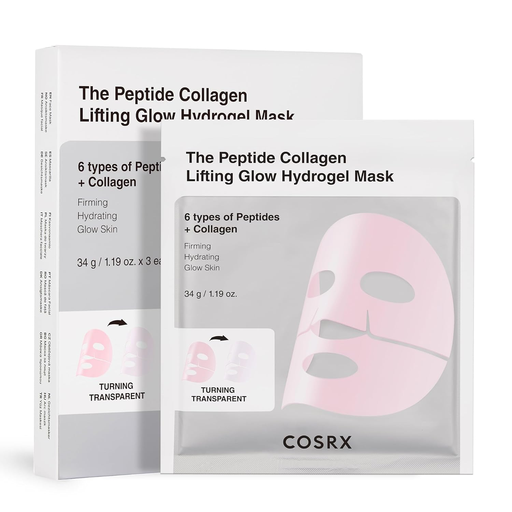
Why it suits this profile: The hydrogel texture, peptides, collagen, hyaluronic acid and ceramides make it a good fit for a targeted weekly routine focused on hydration and a brighter-looking complexion.
The recommended wear time of 2–3 hours, or until transparent, is clearly stated. In the brand’s own study, participants reported improvements in elasticity and radiance; this isn’t a guarantee for every user.
3 hydrogel masks, 34 g each; contains several hydrating ingredients and barrier-supporting ceramides.
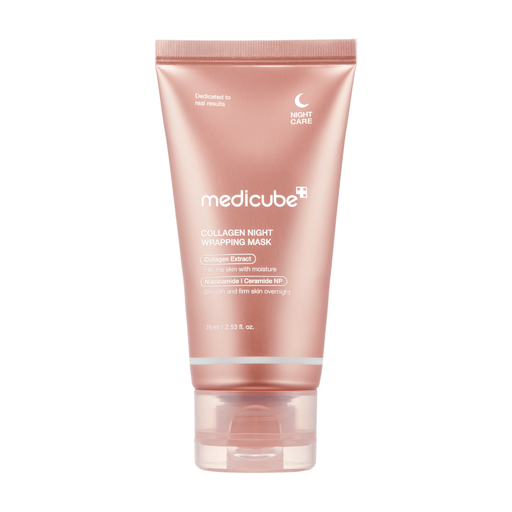
Why it suits this profile: This overnight face mask is designed for anyone who prefers a product in a pot and wants to make skincare part of their evening routine.
The instructions recommend leaving it to dry for around 15 minutes and using it 2–3 times a week. This helps you avoid using it as a daily mask or applying it too thickly.
75 ml; contains glycerine, sodium hyaluronate, ceramide NP and collagen extract, among other ingredients.
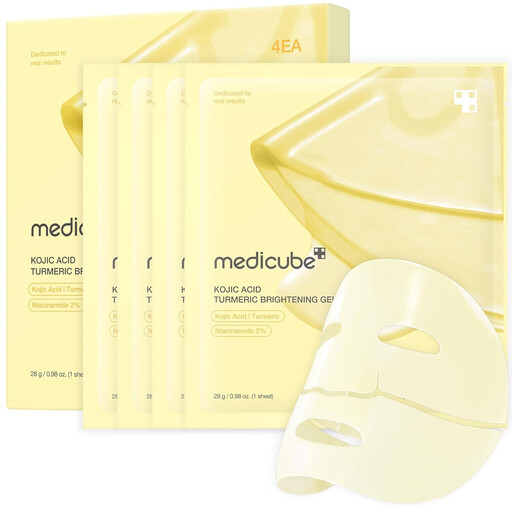
Why it suits this profile: The gel format and brightening-focused positioning make it a good option for anyone looking beyond hydration to a more even-looking complexion.
The pack contains 4 gel masks of 28 g each. Check the ingredients before use, and carry out a patch test if you have sensitive skin.
4 sheets of 28 g; the product information highlights brightening, hydration and a gel texture.
We’ve put together a complete, up-to-date list of products that meet these strict selection criteria and current European safety requirements.
It depends on the type of product and the instructions. A sheet mask is often used once or a few times a week. An overnight mask may, for example, be applied two to three times a week as directed on the packaging. Pay attention to how your skin reacts, too; using it more often isn’t necessarily beneficial.
It can be, but check the ingredients first. Fragrance, alcohol and certain plant extracts may cause sensitivity in some people. Carry out a patch test, and don’t use the mask on irritated or broken skin.
A collagen face mask is a mask whose formula contains collagen extract or hydrolysed collagen. A sheet mask describes the format of the mask. So a mask can be both a collagen mask and a sheet mask. For a useful comparison, check the INCI list, amount per mask, recommended wear time and price per application.
