
Vandaag of morgen in huis

Kwaliteit gegarandeerd

Welkomstaanbiedingen ontgrendelen: GRATIS bezorging | Tot 80% korting | Gratis 30 dagen JoyPlus-proefperiode
Download de app
Korean face masks come in many forms: from a classic Korean sheet mask to a hydrogel face mask, clay mask or overnight face mask. This wide range doesn’t always make choosing easy. A mask with words like “glow”, “collagen” or “PDRN” on the packaging doesn’t automatically suit your skin or routine.
The biggest mistakes usually come from three pitfalls:
A Korean sheet mask is practical for a short skincare step. Most variants stay on for around 10 to 20 minutes. A hydrogel face mask often adheres closely to the skin and can be worn for longer according to the packaging. That’s handy if you want to use a mask while reading or relaxing, but not if you’re short on time.
A wash-off mask, such as a clay mask, needs to be rinsed off after a short absorption time. An overnight face mask is usually a gel or cream applied as the last step and left on until the next morning.
For a hydrating face mask, ingredients to check include glycerine, betaine, hyaluronic acid and sodium hyaluronate. If you’re mainly looking for a fuller skin feel, you can consider a collagen face mask. Collagen in cosmetics primarily supports the nourishing and hydrating positioning of the product; it’s no guarantee of a lasting change.
A PDRN face mask often contains sodium DNA or a similar ingredient. Always check the full INCI list and the instructions. Words like “anti-ageing” and “glow face mask” are often marketing terms. So also assess the texture, the contact time and the ingredients your skin already tolerates well.
For a face mask for sensitive skin, a short ingredients list and avoiding known personal triggers are important. Fragrances, essential oils and exfoliating acids may be less suitable for some users. Always test a new product on a small patch of skin first.
Don’t just compare the number of sheets, but also:
A face mask for acne does not replace acne treatment. Products with salicylic acid, PHA or tea tree may be intended for blemished skin according to the product description, but stop if irritation occurs and consult a doctor or dermatologist if symptoms persist.
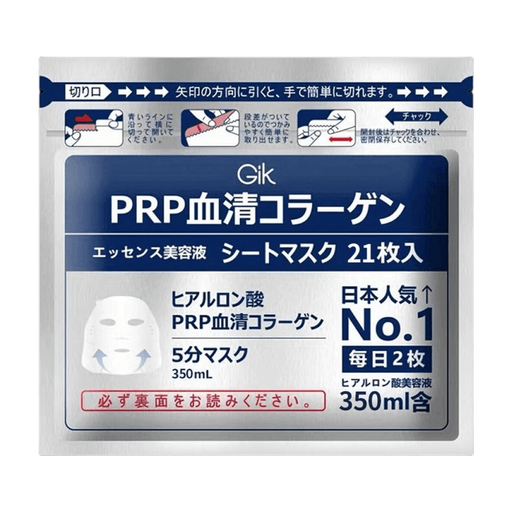
Why this fits the profile: The pack contains 21 individual masks, making it practical for regular use. The recommended wear time is 5 minutes, which fits well into a short morning or evening routine.
The number of pieces and the usage time are clearly stated, so you don’t have to assess the value based on marketing claims alone. Sensitive skin is advised to do a patch test first.
21 pieces; ingredients including glycerine, niacinamide, sodium hyaluronate and hydrolysed collagen.
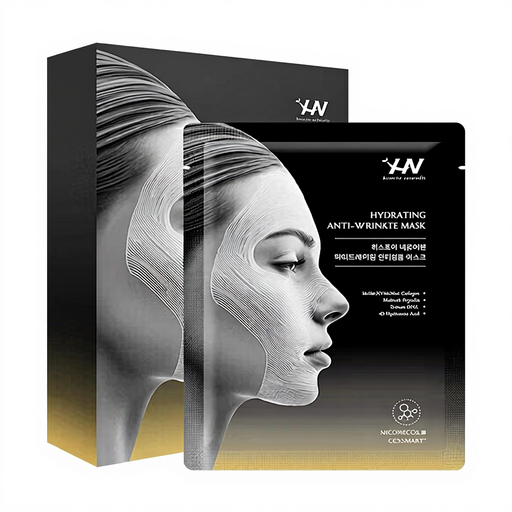
Why this fits the profile: This is a hydrogel fibre mask for those who particularly care about material feel, adhesion and a comprehensive ingredient combination. The set contains 5 sheets with a usage time of 10–15 minutes.
The description states the fibre blend, the wear time and the set size. Claims about collagen, PDRN and glow come from the product description and should not be read as guaranteed effects.
5 sheets; hydrogel fibre; formula with different collagen types, niacinamide and hyaluronic acid.

Why this fits the profile: The sheet contains fermented centella extract, ceramides and a 9-peptide complex. The product description states the mask is suitable for dry, normal, combination and sensitive skin.
The ingredients are named specifically rather than just using a general label like “calming”. Do check yourself whether your skin tolerates the formula and stick to the recommended 10–20 minutes.
Milky essence; centella extract; ceramides and 9 peptides; usage time of 10–20 minutes.
We’ve put together a full, up-to-date list of products that fully meet these strict selection criteria and comply with current European safety regulations.
That depends on the formula. A hydrating sheet mask is often used once to several times a week, while some packs mention daily use. Always follow the instructions on the packaging. Exfoliating masks with PHA or salicylic acid are typically used less often than a simple hydrating mask.
The correct time varies per product. Many hydrogel masks are used for 10–20 minutes, but some variants are intended for 2–3 hours, 3–4 hours or overnight. Remove the mask once the stated time is reached or when the product instructions indicate. Leaving it on longer doesn’t automatically mean a better result.
It can be, but check the ingredients and do a patch test beforehand. Preferably choose a formula without ingredients you have reacted to before. Do not use a mask on damaged or irritated skin and stop immediately if you experience a burning sensation, swelling or persistent redness.
