
Vandaag of morgen in huis

Kwaliteit gegarandeerd

Welkomstaanbiedingen ontgrendelen: GRATIS bezorging | Tot 80% korting | Gratis 30 dagen JoyPlus-proefperiode
Download de app
A glowing complexion in one mask: Korean skincare is full of tempting claims. Yet a luxurious package or an ingredient name like collagen doesn't automatically mean a mask is right for your skin. When buying Korean face masks, it's better to look at the formula, the material, the wear time and the number of masks per pack.
The most common pitfalls:
First, choose the goal of your routine, then pick the ingredient:
A sheet mask is usually made of rayon, cellulose, biocellulose or hydrogel. The material determines how the mask feels and how well it stays on the skin. A mask that lifts at the nose or chin becomes less practical, regardless of the ingredients.
Pay attention to these points:
Cosmetics sold in the EU must include, among other things, an ingredients list, instructions for use and warnings. Also check the expiry information and storage conditions. A product with lots of botanical extracts is not automatically suitable for sensitive skin.
When trying a new product, first do a patch test, for example on your arm or behind your ear, as advised in many product instructions. Do not use a mask on damaged or irritated skin. Stop if you experience redness, swelling, itching or a burning sensation, and consult a dermatologist if symptoms persist.
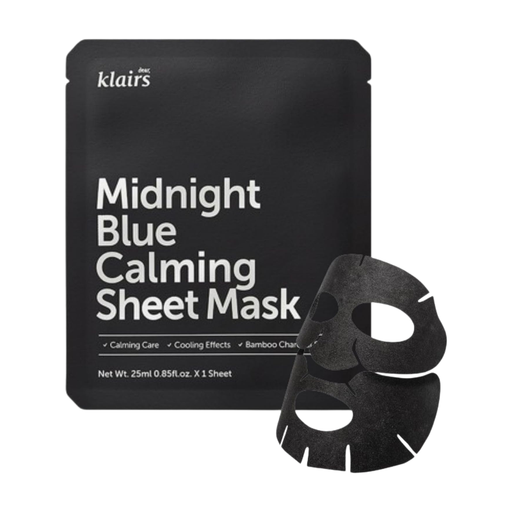
Why this suits the profile: The pack contains 10 sheets of 25 ml. This makes it easy to calculate the cost per use and build a consistent 15–20 minute routine.
The product information states a clear wear time and a fixed content per sheet. However, watch out for limonene and tea tree oil if you are sensitive to fragrances.
10 individual sheets; Centella asiatica, glycerine and betaine in the ingredients list; usage time of 15–20 minutes.

Why this suits the profile: The hydrogel structure and a wear time of 3–4 hours or overnight fit an extended evening routine.
The product information states 4 pieces of 34 g and lists ceramides, panthenol and various forms of hyaluronic acid. This makes it clear what you are buying per use.
4 hydrogel masks; ceramide NP, NS, AP, AS and EOP; suitable for a longer skincare session according to the instructions for use.
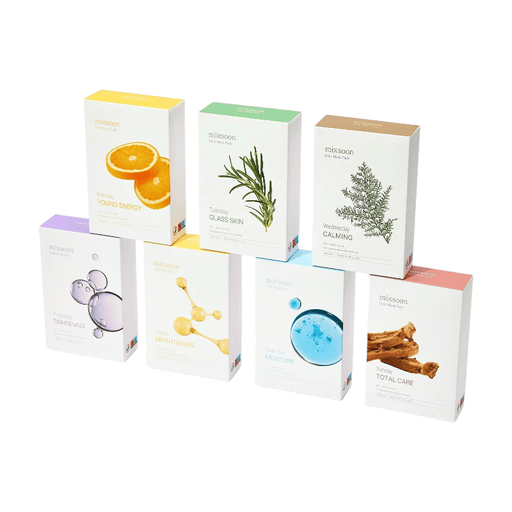
Why this suits the profile: The set contains 10 masks with different themed formulas, including calming, moisture, tightening and brightening.
You don't have to use one formula for every need. However, do check the individual ingredients: the Thursday variant contains retinol and requires extra attention to sun protection.
10 sheets of 20 ml; variety of formulas; usage time according to the product information: 20–30 minutes.
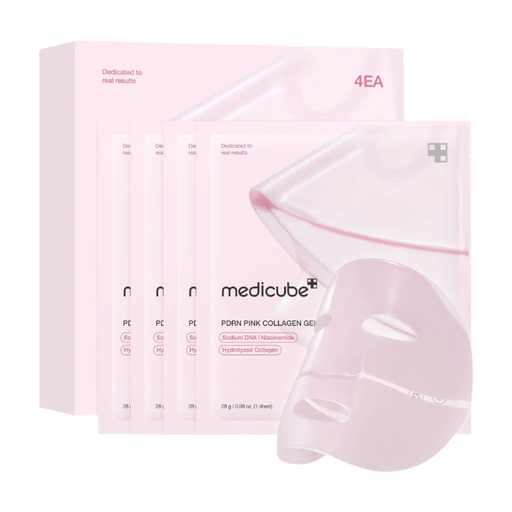
Why this suits the profile: The gel texture and the mask turning transparent make it suitable for a planned weekly treatment or a special occasion moment.
The packaging states 4 pieces and a clear stop indicator: remove when the gel becomes transparent. This means you don't have to rely on marketing terms.
4 gel masks; glycerine, niacinamide and hydrolysed collagen in the ingredients list; use after cleansing and toner.
We've put together a full, up-to-date list of products that fully meet these strict selection criteria and comply with current European safety regulations.
That depends on the formula and the instructions. A simple sheet mask can be part of a weekly routine, while some daily mask packs are used more frequently. Pay particular attention to perfume, retinol, acids and other ingredients you already use in your routine. More product moments don't automatically mean better results.
Always follow the packaging. Many hydrogel masks are intended for 2–3 hours, 3–4 hours or overnight. Other variants, such as a classic sheet mask, only need 15–20 minutes. Remove the mask once the stated time has passed or when the instructions indicate.
Calculate the price by the number of individual masks. A pack of 10 sheets can have a lower price per use than a set of 3 or 4 intensive hydrogel masks. Also compare the content per mask, wear time and ingredients. That way, you're not just paying for the packaging, but for a product that truly fits your routine.
