
Same-day & Next-day Delivery

Quality Guaranteed

Unlock Your Welcome Offers: FREE Delivery | Up to 80% OFF | Free 30-day JoyPlus trial
Download the APP
Korean face masks come in many forms, from hydrating and collagen face masks to pore masks, gel masks and overnight masks. With so much choice, comparing products can be tricky. Packaging terms such as “glass skin”, “lifting” or “deep care” also don’t always tell you what the product will involve as part of your routine.
The main pitfalls are easy to spot:
A sheet mask is soaked in essence and is usually intended as a quick skincare step. A gel or hydrogel mask often fits closely to the skin and, according to the product instructions, can be left on for several hours. A peel-off mask forms a film that you remove once it has dried. A clay face mask, on the other hand, is rinsed off and is generally aimed at excess oil and impurities.
Look out for the difference between:
A short treatment lasting 3 to 5 minutes is handy if you’re short on time. Other masks stay on for 20 to 30 minutes, while some hydrogel masks can be worn for 3 to 4 hours or overnight, according to the packaging. Leaving a mask on for longer doesn’t automatically make it more effective; follow the official instructions for use.
For an overnight face mask, check whether the product is intended to be the final step in your evening routine. Don’t apply it to damaged or irritated skin, and avoid the eye and lip area if the packaging advises you to do so.
Dry skin may benefit from a formula containing glycerine, hyaluronic acid, ceramides or squalane. A clay face mask or pore mask may be a better fit for oily or combination skin. If you have sensitive skin, it’s a good idea to look for a shorter ingredients list and do a patch test.
Always check:
Try a new product on a small area of skin first. Stop using it if you experience redness, itching, a burning sensation or any other irritation. Product information for products containing retinol often advises using sun protection during the day.
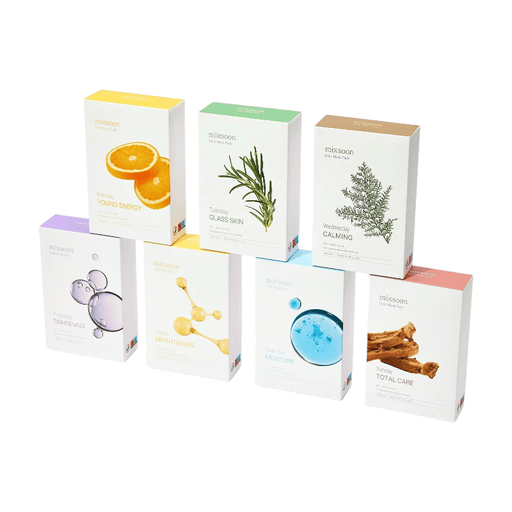
Why it suits this profile: The set contains 10 masks of 20 ml each, with different themes including hydration, soothing and brightening. It’s an easy way to try Korean skincare at your own pace.
There’s no need to commit straight away to one intensive mask in a large size. The different formulas make it easy to compare them for different occasions.
10 individual sheet masks, 20 ml per mask and clear themes for each day. Please note: the Thursday version contains retinol.
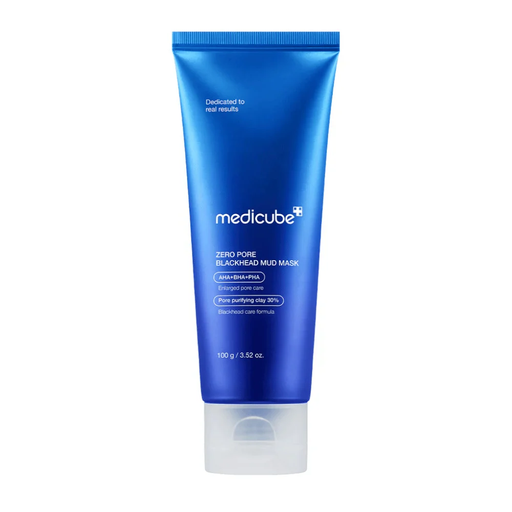
Why it suits this profile: This clay face mask targets areas with visible pores, blackheads or excess oil. It’s best suited to a focused weekly routine.
The instructions recommend leaving it on for around 3 minutes and using it 1 to 2 times a week. The formula contains AHA, BHA, PHA and citrus oils, so take extra care if you have sensitive skin.
Contains kaolin, bentonite, salicylic acid, glycolic acid and gluconolactone, among other ingredients. Rinse thoroughly with lukewarm water after use.
We’ve put together a complete, up-to-date list of products that meet these strict selection criteria and comply with current European safety regulations.
A face mask set is handy if you want to alternate between different goals, but check the ingredients for each version. Don’t use several strongly exfoliating products on the same day without first seeing how your skin reacts.
It depends on the formula. A simple hydrating face mask may be suitable for more frequent use, according to the packaging. Clay masks, peel-off masks and formulas containing acids are usually used less often. Follow the instructions and adjust how often you use the mask if your skin feels tight or irritated.
Use single-use sheet masks and hydrogel masks immediately after opening; don’t use them again. Close jars and tubes tightly and store them according to the shelf-life information on the packaging. Check the smell, colour and texture too; if you notice any obvious changes, it’s best not to use the product.
For dry skin, look for hydrating ingredients such as glycerine, panthenol, hyaluronic acid and ceramides. If you have sensitive skin, a patch test and a short ingredients list are especially important. Avoid formulas containing fragrance, retinol, acids or citrus oils if you’ve reacted to them before.
