
Same-day & Next-day Delivery

Quality Guaranteed

Unlock Your Welcome Offers: FREE Delivery | Up to 80% OFF | Free 30-day JoyPlus trial
Download the APP
Korean face masks come in many forms: from a classic sheet mask for 15 minutes to a hydrogel face mask that stays on for several hours or even overnight. With such a wide range, choosing isn’t always straightforward. A pretty package or a long list of ingredients doesn’t necessarily tell you whether a mask will practically suit your skin and routine.
Pay particular attention to three common pitfalls:
A sheet mask usually consists of a fibre or gel-like sheet soaked in essence. It’s practical for a short treatment session of around 10 to 20 minutes. A hydrogel mask often adheres closely to the skin and, according to the product description, is sometimes used for 2 to 4 hours or overnight.
An overnight face mask is typically a leave-on product that you apply as the last step. Always check whether it’s a single-use mask or a pot product. A single-use mask must not be reused.
For a face mask for dry skin, glycerine, hyaluronic acid, panthenol, ceramides and betaine are relevant ingredients to check. They are often used in formulas that help retain moisture. A Centella face mask can be interesting when you’re mainly looking for a soothing and hydrating product.
With a collagen face mask, you need to distinguish between the skincare goal and a medical or structural effect. Collagen in a cosmetic formula doesn’t automatically mean the skin itself will produce more collagen. Similarly, an anti-ageing face mask can at best aim for a smoother, more hydrated appearance; it’s no guarantee against wrinkles.
A pack of 30 masks might seem good value, but check the recommended frequency and the amount of essence per sheet. A pack of four hydrogel masks may be more expensive per use, but could be intended for a weekly treatment. Divide the price by the number of masks to make a fair comparison.
Also check:
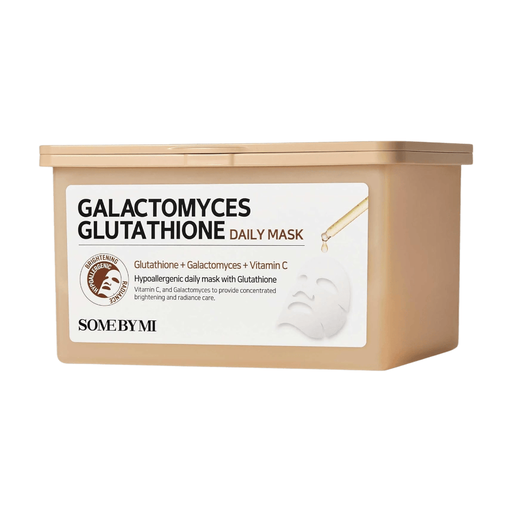
Why this suits the profile: The pack contains 30 individual sheet masks and is ideal for anyone who wants to use Korean skincare regularly without buying different mask types straight away.
The wear time is stated as 10–20 minutes. This makes it easier to schedule than a hydrogel mask that needs to stay on for hours. However, note the listed essential oils and do a patch test beforehand.
30 pieces per pack; contains, among others, niacinamide, galactomyces, glutathione and multiple forms of hyaluronic acid according to the ingredients list.

Why this suits the profile: This hydrogel mask is designed for an intensive hydration routine, for those who value formula information and a longer wear time over a quick treatment.
The product description specifically states 3–4 hours during the day or overnight use. So check beforehand whether this routine suits you, rather than just looking at a claim like “deep”.
Four masks of 34 g; contains, according to the ingredients list, multiple forms of hyaluronic acid, panthenol and various ceramides.
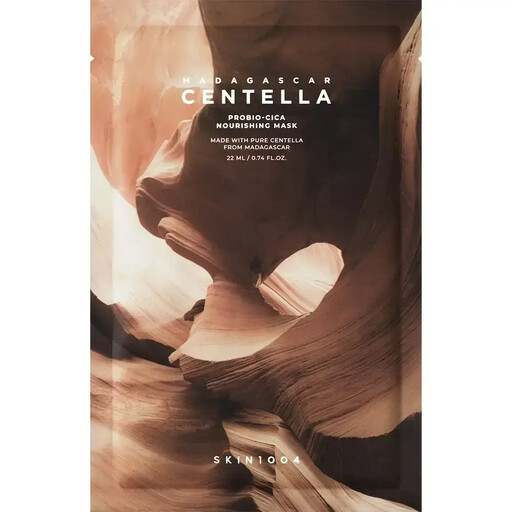
Why this suits the profile: The sheet mask is intended for 10–20 minutes and contains, according to the product description, fermented Centella extract, ceramides and a peptide complex.
The short wear time reduces the chance of leaving the sheet on too long. If you have sensitive skin, still check the full ingredients list and test on a small area of skin first.
Sheet mask of 22 ml; lists ceramides and Centella asiatica as part of the formula; suitable for a short skincare routine.
We’ve put together a full, up-to-date list of products that fully meet these strict selection criteria and comply with current European safety regulations.
Extra caution is needed with products containing retinol, retinal, vitamin C, acids or essential oils. Retinol can increase sensitivity to sunlight; follow the warnings on the packaging and use sun protection during the day. Do not use a mask on damaged or irritated skin.
That depends on the formula and the product instructions. Some hydrating sheet masks are intended for daily use, while a concentrated hydrogel or collagen mask is recommended once or twice a week. If you have sensitive skin, it’s wise to start with less frequent use.
A hydrogel face mask can be suitable when the formula contains moisture-binding ingredients, such as glycerine, panthenol, hyaluronic acid or ceramides. The material alone doesn’t determine the result. Also look at fragrance, essential oils and the recommended wear time.
You calculate the cost per use by dividing the price of the pack by the number of individual masks. A pack of 30 pieces can therefore work out as good value for regular use. With an overnight face mask in a pot, you also need to consider the recommended amount per application.
