
Vandaag of morgen in huis

Kwaliteit gegarandeerd

Welkomstaanbiedingen ontgrendelen: GRATIS bezorging | Tot 80% korting | Gratis 30 dagen JoyPlus-proefperiode
Download de app
Korean face masks are popular for their practical packaging, concentrated essence and diverse formulas. Yet a striking packet is no guarantee that a mask will suit your skin or your routine. If you rely only on words like “glow”, “collagen” or “brightening”, you could end up with a product that stings, gets used for too short a time, or sits unused in the bathroom.
This buying guide will help you compare Korean sheet masks and hydrogel face masks based on ingredients, wear time, skin type and number of pieces.
Niacinamide, collagen, rice, kojic acid and hyaluronic acid often appear in product names. The full ingredients list, also known as the INCI list, tells you more than the front of the packaging. Look out for:
Ingredients can affect each person differently. A product description may mention cosmetic benefits, but that doesn’t mean a face mask can medically treat pigmentation, redness or skin concerns.
A hydrogel face mask often feels firm and stays in place longer than a thin sheet mask. Some varieties become transparent after a few hours. That can be nice for an evening routine, but not everyone wants to walk around with a mask for two to three hours.
A classic sheet mask usually works more quickly: often 15 to 20 minutes is enough. So consider your daily schedule. A longer wear time is no reason to leave a mask on for longer than stated on the packaging.
The term brightening generally refers to a fresher or more even-looking complexion. Products with alpha-arbutin, niacinamide or vitamin C derivatives are often marketed as face masks for pigmentation. According to the product description, they may help reduce the appearance of an uneven complexion, but cosmetic results vary from person to person.
Use a sunscreen during the day if the packaging advises it, especially with formulas containing salicylate derivatives, retinol or other ingredients that may affect sensitivity to sunlight.
First, check the ingredients that are relevant to your skin. A niacinamide face mask may suit a dull appearance, while a collagen face mask is often chosen for a hydrated and fuller-looking skin surface. Collagen in a mask should not be confused with a medical or permanent firming effect.
For sensitive skin, a short INCI list, no added fragrance and a patch test are practical points to consider. Dear Klairs masks, for example, are described as fragrance-free, but the ingredients list does mention limonene and tea tree oil. So always check the actual packaging.
Note the difference between:
A mask that becomes transparent should still be used according to the official instructions. Transparency is a product feature, not a universal measure of absorption into the skin.
Don’t just compare the price of the pack. Divide the price by the number of individual masks. A set of three hydrogel masks may be more expensive per use than a set of ten sheet masks, but it might fit better with a weekly routine.
Also check the expiry date on the packaging, the storage temperature, and whether each mask is intended for single use. Used sheet masks and hydrogel masks should not be reused.
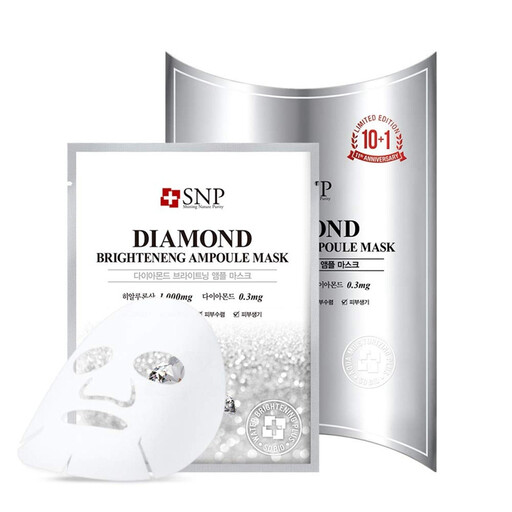
Why this fits the profile: The pack contains 10 sheet masks, making it easy to compare the cost per use. The wear time and product information are straightforward for a first introduction to K-beauty skincare.
The number of pieces is clearly stated. However, note that the ingredients list contains alcohol and fragrance, and the product is not labelled as alcohol-free.
10 pieces per pack; contains glycerin, sodium hyaluronate and niacinamide according to the product information.
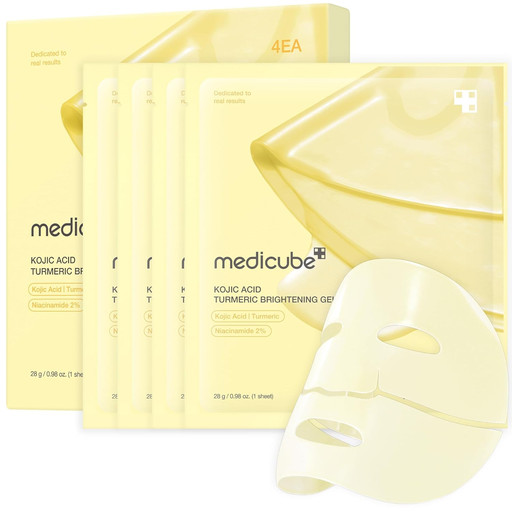
Why this fits the profile: The gel texture is intended for a longer treatment: 3 to 4 hours during the day or as an overnight mask according to the product information. The formula contains kojic acid, turmeric and niacinamide.
The product information mentions retinol and fragrance. Stop if irritation occurs, avoid the eye area, and use sun protection during the day as stated on the packaging.
4 gel masks; colour-changing jelly texture; combination of kojic acid, turmeric, niacinamide and ceramide NP.
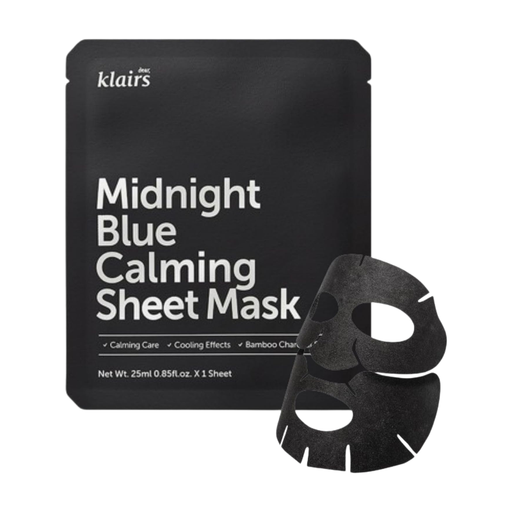
Why this fits the profile: This classic sheet mask is suitable when you have 15 to 20 minutes available and prefer not to use a long-lasting hydrogel treatment.
The wear time is short and clearly stated. Despite being described as fragrance-free, the ingredients list mentions limonene and tea tree oil; a patch test is still wise.
10 pieces; rayon sheet with bamboo charcoal powder; erythritol, centella asiatica and allantoin according to the product information.
We’ve put together a full, up-to-date list of products that fully meet these strict selection criteria and comply with current European safety regulations.
Before first use, do a patch test on a small area of skin. Do not use a mask on damaged, infected or irritated skin. If you experience a burning sensation, swelling, itching or persistent redness, stop using it immediately.
That depends on the formula and your skin. A hydrating face mask without strong exfoliating ingredients may suit some people several times a week. With retinol, salicylate derivatives or other active ingredients, it’s wiser to follow the product instructions and build up gradually.
An individual sheet mask or hydrogel mask is intended for single use. A pot mask should be used after opening according to the expiry date on the packaging. Store all products in a cool, dry place away from direct sunlight. The official expiry information on the packaging takes priority.
First, look out for fragrance, limonene, alcohol, tea tree oil and exfoliating acids. Choose a simple hydrating formula and test it on a small area of skin beforehand. Even a face mask for sensitive skin may still contain an ingredient you react to, so always check the current INCI list.
