
Vandaag of morgen in huis

Kwaliteit gegarandeerd

Welkomstaanbiedingen ontgrendelen: GRATIS bezorging | Tot 80% korting | Gratis 30 dagen JoyPlus-proefperiode
Download de app
A Korean skincare routine can start simply with a face mask. Yet it’s not always clear which product suits your skin, budget and available time. A thin sheet mask for ten minutes, for example, requires a different approach to a hydrogel mask that needs to stay on for several hours.
With Korean face masks, there are also a few common pitfalls to watch out for:
A sheet mask is usually made from a fibre or rayon sheet soaked in essence. The wear time is typically around 10 to 20 minutes. A hydrogel face mask or gel mask for the face generally fits more closely and can be left on for longer, according to the product information.
Always check the instructions on the packaging:
If a mask becomes transparent, don’t automatically leave it on longer. With several hydrogel masks, transparency is, according to the product description, an indication that the recommended wear time is up.
Don’t choose based solely on the name on the packaging. Pay attention to the ingredients that are relevant to you:
Brand claims about percentages, hydration or elasticity should be read as brand communication. For example, Medicube refers in its product information to its own clinical measurements on a limited group of participants. These figures are not a universal guarantee.
A good fit prevents the mask from slipping quickly. So check whether the mask comes in one or two pieces, how much essence it contains, and whether the cut-outs suit your face.
Also look out for:
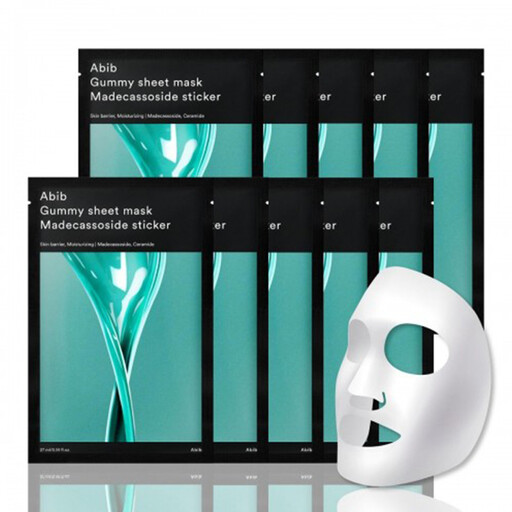
Why this fits the profile: The pack contains 10 sheet masks of 27 ml, so you can use them regularly without immediately opting for a small number of intensive masks.
The product information states a wear time of 10 minutes and makes the quantity per pack clear. This prevents confusion about time and usage.
10 pieces; centella asiatica and madecassoside according to the product description; water-based essence.
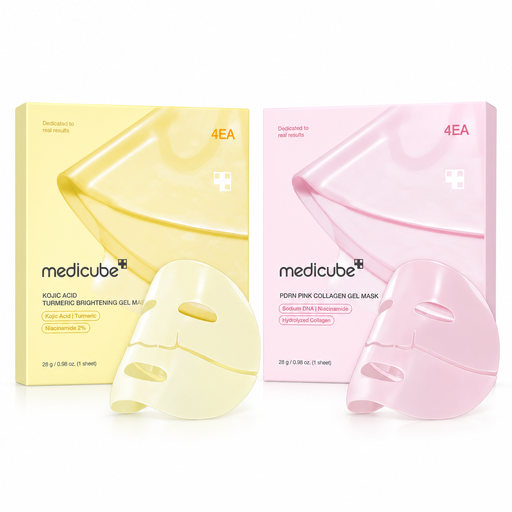
Why this fits the profile: The set combines two variants: four kojic acid turmeric masks and four PDRN pink collagen masks. This means you can choose based on your skin’s needs at the time.
You don’t have to follow one claim for all situations: the set makes the distinction between brightening and hydrating care explicit.
8 gel masks; niacinamide in both variants according to the ingredients list; two different formulas in one pack.
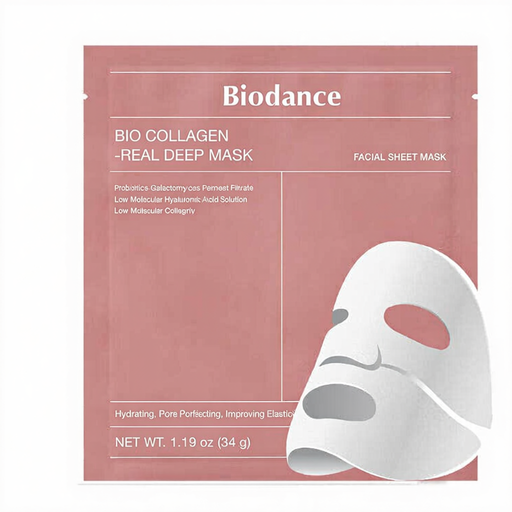
Why this fits the profile: According to the usage information, this hydrogel mask is intended for three to four hours or overnight. That suits users who want to make time for a longer routine.
The instructions mention both the wear time and storage at room temperature. This makes it clear that this is not a quick sheet mask for in between.
4 masks of 34 g; collagen extract, glycerine and niacinamide in the ingredients list; suitable for daytime or overnight use according to the product information.
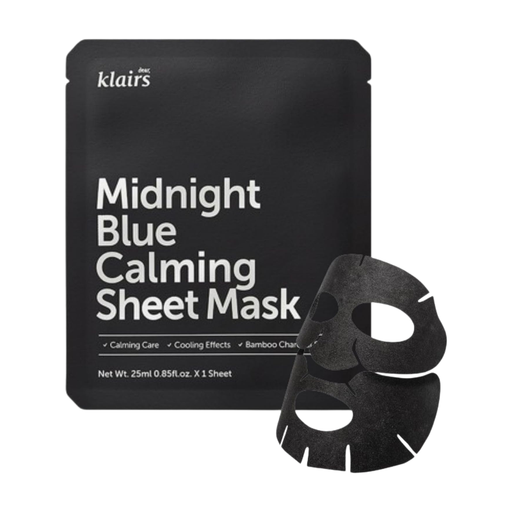
Why this fits the profile: The product information mentions a fragrance-free formula, although limonene does appear on the ingredients list. So always check whether this suits your personal sensitivity.
The pack contains 10 individual masks and gives a clear wear time of 15–20 minutes. The presence of limonene remains visible in the ingredients list.
10 pieces of 25 ml; centella asiatica, allantoin and erythritol; rayon sheet according to the product description.
We’ve put together a full, up-to-date list of products that fully meet these strict selection criteria and comply with current European safety regulations.
That depends on the type and the ingredients. According to the product instructions, a simple hydrating face mask can be used regularly. With formulas containing retinol, salicylates or other active ingredients, it’s wise to follow the packaging carefully. Never reuse a sheet mask.
A sheet mask is usually a thin sheet soaked in essence and often has a short wear time of 10 to 20 minutes. A hydrogel face mask generally fits more closely and can be left on for several hours, according to the manufacturer. So a gel mask for the face isn’t automatically more suitable; it mainly requires more time and good planning.
First, look for a short, clear ingredients list and avoid products with ingredients you know you react to. A centella mask can be interesting because of centella asiatica or madecassoside in the formula, but even then, a patch test is wise. Don’t apply a mask to damaged or irritated skin, and stop if you feel a burning sensation, redness or itching.
