
Same-day & Next-day Delivery

Quality Guaranteed

Unlock Your Welcome Offers: FREE Delivery | Up to 80% OFF | Free 30-day JoyPlus trial
Download the APP
Korean face masks come in many forms: thin sheet masks, hydrogel masks, peel-off formulas, eye patches and overnight masks. This wide range of choice does not always make selecting one easy. Attractive packaging or a promise of a “glass skin” effect says little about whether a mask suits your skin type and routine.
The most common pitfalls are:
A K-beauty face mask should suit when you want to use it.
Pay particular attention to the recommended wear time. Leaving a product on for longer than indicated does not automatically make it more effective and may instead leave your skin feeling tight.
A hydrating face mask often contains glycerine, panthenol, hyaluronic acid or betaine. These ingredients help the skin feel comfortable and supple. Ceramide NP, cholesterol and fatty acids are found in formulas designed to support the skin barrier.
A collagen face mask may contain hydrolysed collagen, for example. Product descriptions often associate this with a plumper or firmer skin feel. This does not guarantee a lasting change to wrinkles or skin structure. Think of the mask primarily as a temporary skincare step for hydration and comfort.
An anti-ageing face mask may contain retinol, retinal, bakuchiol, adenosine and peptides. Retinol and retinal can increase sensitivity to sunlight. Use sun protection during the day and follow the warnings on the packaging. During pregnancy or breastfeeding, product information for retinol products advises consulting a healthcare professional.
Also look out for perfume and fragrance allergens. For example, the Some By Mi Galactomyces mask lists bergamot oil, lavender oil, limonene and linalool. According to the product information provided, the Beta Panthenol mask is instead described as free from alcohol, animal-derived ingredients, artificial colourants, preservatives and sulphates. Always check the packaging, as formulations can change.
A pot or box containing several masks may seem good value, but calculate the cost per use. A pack of 30 sheets is worth considering if you use a mask regularly. Individually wrapped eye patches are practical for hygiene and travel. A pot of hydrogel patches requires hygienic handling: use the spatula provided and close the packaging immediately.
Also check the net contents and number of pieces. A 60-gram overnight mask may offer multiple applications, while a 34-gram hydrogel mask is often intended for single use. Discard a sheet or hydrogel mask after use, and store opened packaging in a cool, dry place away from direct sunlight.
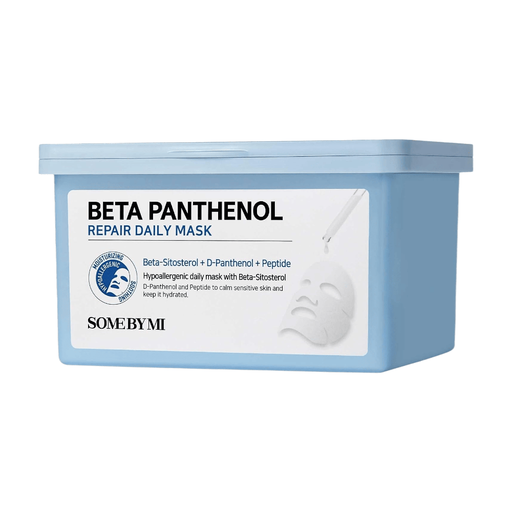
Why it suits this profile: The pack contains 30 sheets, making it easy to estimate the cost per use. The formula contains panthenol, glycerine, ceramide NP and hyaluronic acid, among other ingredients.
The product information states that it should be used daily for 10–20 minutes and includes clear warnings. This means you do not have to guess how long to leave it on.
30 pieces; panthenol as a prominent ingredient; suitable for all skin types according to the product information.
We have put together a complete, up-to-date list of products that fully meet these strict selection criteria and the applicable European safety regulations.
Extra care is needed with a retinol mask such as the Some By Mi Retinol Intense Daily Mask. The product information lists 0.1% retinol, retinal and bakuchiol, and recommends sun protection. Stop using it if you experience a burning sensation, itching, swelling or a rash, and follow the safety instructions on the packaging.
This depends on the formula. Many sheet masks are designed to be worn for 10–20 minutes and can be used daily according to the product information. Other masks, such as peel-off, hydrogel or intensive collagen masks, recommend using them once to a few times a week. The instructions for the specific product should always take priority.
A single sheet mask is intended for one-time use. For a pot or tube, check the expiry date and the period-after-opening symbol on the packaging. Store the product closed, in a dry place and away from direct sunlight. Has its smell, colour or texture changed? Do not use it.
Look for a short, straightforward ingredients list and avoid any known personal triggers. A mask for sensitive skin may contain ingredients such as panthenol, allantoin, centella asiatica or ceramides. This does not mean irritation is impossible. Always carry out a patch test first and be cautious with perfume, essential oils, retinol and acids.
