
Vandaag of morgen in huis

Kwaliteit gegarandeerd

Welkomstaanbiedingen ontgrendelen: GRATIS bezorging | Tot 80% korting | Gratis 30 dagen JoyPlus-proefperiode
Download de app
A sheet mask looks simple enough: take it out of the packet, place it on your face and remove it after a few minutes. Yet Korean face masks vary greatly in material, ingredients, wear time and ease of use. Choosing the wrong one can mean the mask doesn’t fit properly, your skin feels tight, or you end up buying a product with ingredients that don’t suit your complexion.
The main pitfalls to watch out for are:
A sheet mask is usually made from rayon, cellulose, cotton or a similar material soaked in essence. The advantage is a quick and simple treatment. Make sure to check that the mask fits well around your nose, eyes and jawline.
A hydrogel face mask is thicker and generally moulds closely to your face. Some variants change from opaque to transparent when worn for longer. That gives a clear usage indicator, but it doesn’t automatically make the product more effective.
Also pay attention to the number of masks per pack. A set of 10 is practical for regular use, while a pack with 1 to 3 masks can be suitable for an occasional, more intensive treatment.
Choose ingredients based on your skin’s needs, not just the product name.
If you’re looking for a face mask for sensitive skin, it’s wise to do a patch test first. Stop if you experience a burning sensation, redness, itching or swelling. Do not use a mask on damaged, infected or broken skin.
A mask with 25 ml of essence isn’t directly comparable to a hydrogel mask of 34 or 55 grams. The amount alone doesn’t tell you how suitable the product is, but it does help when comparing price and usage.
Also read the usage duration:
Store unopened masks in a cool, dry place away from direct sunlight. Use each sheet only once and check the expiry information on the packaging.
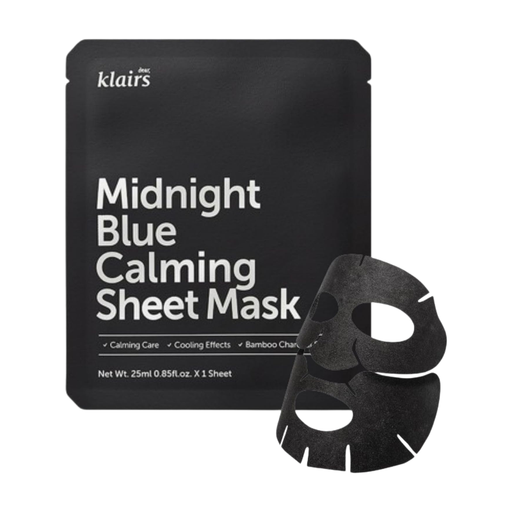
Why this fits the profile: The pack contains 10 masks of 25 ml each. That makes this a straightforward choice for anyone wanting to try Korean skincare gently or use a sheet mask regularly.
The usage time of 15–20 minutes is clearly stated. According to the product information, the formula contains no added artificial colourants or perfume, but it does list tea tree oil and limonene. So check the ingredients if you have sensitivities.
10 pieces per pack; rayon sheet; erythritol, glycerine and Centella Asiatica in the ingredients list.
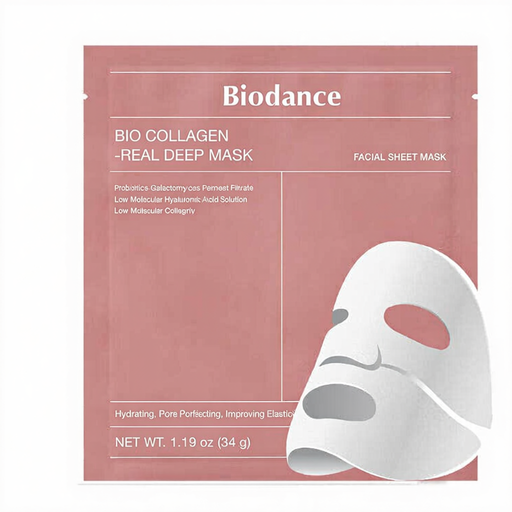
Why this fits the profile: These masks are designed for 3–4 hours of use or an overnight treatment. That suits a regular weekly skincare routine.
The longer wear time is clearly stated in the usage instructions. Do not use the mask on damaged or irritated skin, and remove it if irritation occurs.
4 masks, each weighing 34 grams; hydrogel that becomes transparent according to the product information; contains collagen extract, glycerine, adenosine and hydrolysed hyaluronic acid.
We’ve put together a full, up-to-date list of products that fully meet these strict selection criteria and comply with current European safety regulations.
That depends on the formula and your skin. A simple hydrating face mask, for example, can fit into your routine several times a week. With retinol, retinal, acids or fragrances, it’s wiser to build up gradually. Always follow the instructions on the packaging and stop if irritation occurs.
Unopened masks remain usable until the date on the packaging, provided they are stored correctly. Once opened, use an individual mask straight away. An opened multi-pack must be sealed properly so the remaining sheets don’t dry out. If in doubt, check the expiry information as well as the smell, colour and texture.
Compare the price per mask rather than just the total pack price. Divide the purchase price by the number of pieces. A set of 10 masks can therefore be more economical for regular use, while a hydrogel mask with a longer wear time has a different price per treatment. Also look at the ingredients, usage duration and suitability for your skin type.
