
Vandaag of morgen in huis

Kwaliteit gegarandeerd

Welkomstaanbiedingen ontgrendelen: GRATIS bezorging | Tot 80% korting | Gratis 30 dagen JoyPlus-proefperiode
Download de app
Korean face masks come in many varieties, from hydrating face masks with hyaluronic acid and collagen face masks to peel-off treatments and daily sheet masks. Having so much choice is useful, but it can also make it harder to compare products. Eye-catching packaging or terms such as “glow” tell you little about whether a product is right for your skin.
The most common buying mistakes stem from three pitfalls:
A sheet mask is usually a fibre, Tencel, hydrogel or biocellulose sheet soaked in essence. It’s handy for a quick skincare routine. Check that it fits well around your eyes, nose and mouth. A poorly fitting mask may slip out of place and allow liquid to run into your eyes.
A cream, clay or wrapping mask is applied to the face and then rinsed or removed. A hydrogel mask, on the other hand, may be worn for several hours. The packaging should clearly state how long the product can be left on. Don’t leave a single-use mask on for longer than instructed, and don’t sleep in a mask unless the packaging specifically says you can.
Use your desired result as your first filter:
Brands may describe products as “brightening”, “lifting” or “anti-ageing”. Treat these as product positioning. Always check the ingredients list and follow the directions for use rather than assuming a particular result is guaranteed.
Don’t just look at the number of sheets: check the amount of essence per mask too. Examples from the range include 25 ml per sheet, 30 ml divided across four masks and 34 grams per hydrogel mask. These formats aren’t directly comparable.
Also check:
When trying a new product, start with a small patch test. Don’t use a face mask on broken skin, a rash or eczema. Stop using it if you experience redness, swelling, itching or irritation, and seek advice from a dermatologist if symptoms persist.
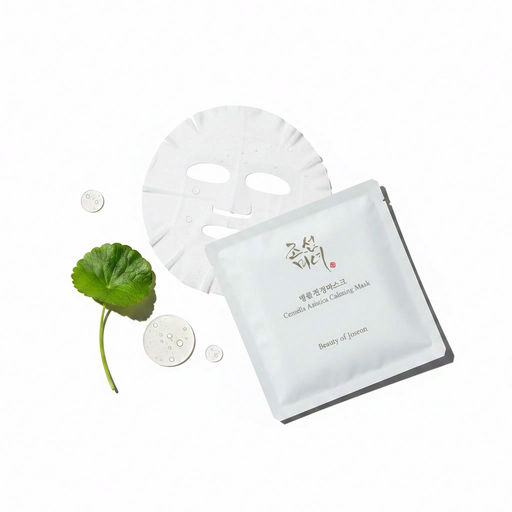
Why it suits this profile: A pack of 10 individual sheet masks is a straightforward choice if you want to ease into Korean skincare. According to the product description, the mask contains centella, three types of hyaluronic acid and a thin Tencel layer.
The number of masks and the amount in each one are clearly stated. The recommended wear time of 15–20 minutes helps you avoid leaving it on for too long.
10 masks per pack; centella and three forms of hyaluronic acid according to the ingredients list; vegan and paraben-free according to the product information.
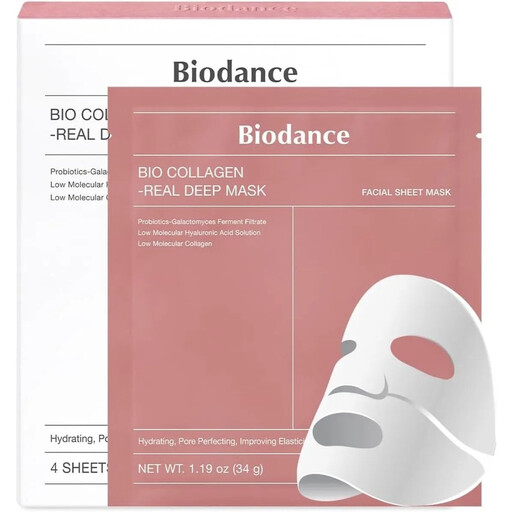
Why it suits this profile: This hydrogel mask is designed for a more intensive step in your routine. According to the product description, it contains marine collagen, hyaluronic acid, galactomyces ferment and adenosine.
The recommended wear time of 3–4 hours or overnight is clearly stated. This isn’t a quick 10-minute treatment.
4 masks at 34 grams each; two-piece biocellulose design according to the product description; the sheet turns transparent while you wear it.
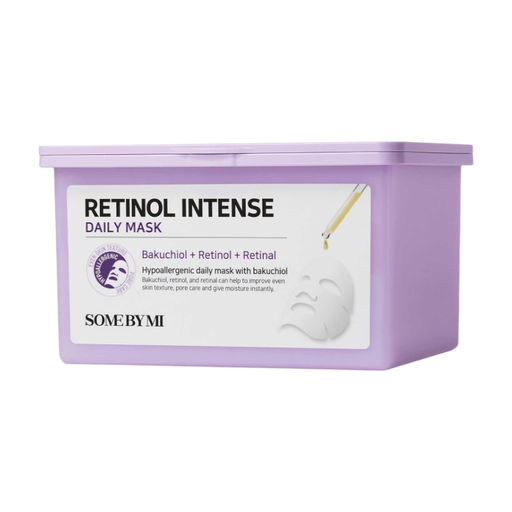
Why it suits this profile: With 30 sheet masks, this product is designed for a regular routine. The formula lists 0.1% retinol, retinal and bakuchiol for cosmetic skincare.
The retinol concentration and warnings are listed. Use sun protection during the day and seek advice from a healthcare professional before using it if you’re pregnant or breastfeeding.
30 masks per pack; wear time of 10–20 minutes; fragrance-free according to the product information, although the ingredients list does include fragrance allergens: check the packaging.
We’ve put together a complete, up-to-date list of products that meet these strict selection criteria and the applicable European safety requirements.
Take extra care with products containing retinol or retinal. These ingredients can increase sensitivity to sunlight. If your skin reacts easily, also check the ingredients list for fragrance, alcohol or exfoliating ingredients.
It depends on the formula. According to the packaging, a simple hydrating face mask can be used several times a week. Use more caution with a mask containing retinol, acids or intensive treatments. Always follow the product instructions and stop if irritation occurs.
Not necessarily. Collagen is used in different formulas, and the texture, fragrance and other ingredients can all affect how comfortable a mask feels. Check the full ingredients list and start with a small patch test.
Work out the cost per use by dividing the purchase price by the number of masks. A pack of 10 or 30 sheet masks can be handy for regular use, while a hydrogel mask with a longer wear time may have a different cost per treatment. So compare more than just the total price: check the contents, wear time and intended use too.
