
Vandaag of morgen in huis

Kwaliteit gegarandeerd

Welkomstaanbiedingen ontgrendelen: GRATIS bezorging | Tot 80% korting | Gratis 30 dagen JoyPlus-proefperiode
Download de app
A Korean sheet mask seems simple: open, apply, and remove after a few minutes. Yet masks vary greatly in material, ingredients, wear time, and cost per use. If you only focus on terms like “glow”, “collagen” or “glass skin”, you could easily buy a product that doesn’t suit your own skin or routine.
Words like lifting, anti-ageing and brightening usually describe a product’s positioning, not a guaranteed outcome. According to the brand’s own research, for example, 100% of participants in a small study reported a more radiant complexion with a specific hydrogel mask. That’s no guarantee for every user and says nothing about long-term effects.
So always check the full ingredients list, the usage time, and the number of masks per pack first.
A soothing face mask isn’t automatically suitable for every sensitive skin. Check for fragrance, essential oils, and known allergens. The Dear, Klairs Midnight Blue Calming Sheet Mask is described as fragrance-free in the product description, but it does contain tea tree oil and limonene. That makes a patch test wise, especially for skin that reacts quickly.
A hydrogel face mask that turns transparent can be worn for several hours according to the product instructions. That doesn’t mean longer is always better. A traditional sheet mask is usually removed after 10 to 20 minutes. Follow the packaging and do not reuse a mask.
A sheet mask is usually made from rayon, cotton, cellulose or microfibre. The material determines how well the mask fits and how much essence it holds. A thin microfibre mask often fits closely, while a thicker sheet can hold more essence.
A hydrogel face mask has a gel structure and generally stays in place well. Some variants become transparent while wearing. A rubber mask, such as the Dr.Jart+ CRYO RUBBER line, works with a separate ampoule and a sealing mask layer. That requires more preparation, but can be pleasant for an intensive skincare routine.
The presence of an ingredient doesn’t automatically mean the product has a medical or long-term effect. Also pay attention to the order in the ingredients list and any potential fragrances.
A pack of 30 masks may seem good value, but check whether you really want to use the mask that often. A retinol mask for daily use also requires more attention to sun protection and skin reactions. A pack of three or four hydrogel masks can be more sensible if you only use the product weekly or for a special occasion.
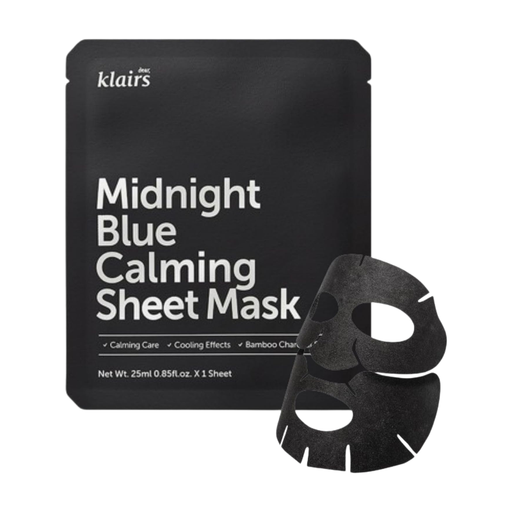
Why this fits the profile: The pack contains 10 masks and the usage time is 15–20 minutes. That makes this a straightforward choice for anyone trying a Korean sheet mask for the first time.
The product information states no artificial colourants or fragrance, but limonene and tea tree oil are listed in the ingredients. So you know what to look out for with sensitive skin.
10 pieces, 25 ml per mask and ingredients such as glycerine, erythritol, allantoin and centella asiatica.

Why this fits the profile: This hydrogel face mask targets dry or tight-feeling skin and suits users who prefer a longer weekly pampering session.
The instructions mention a wear time of 3–4 hours during the day or use overnight. So you don’t have to guess how long the mask is meant to stay on.
4 hydrogel masks of 34 g, featuring panthenol, hyaluronic acid and multiple ceramides in the product list.
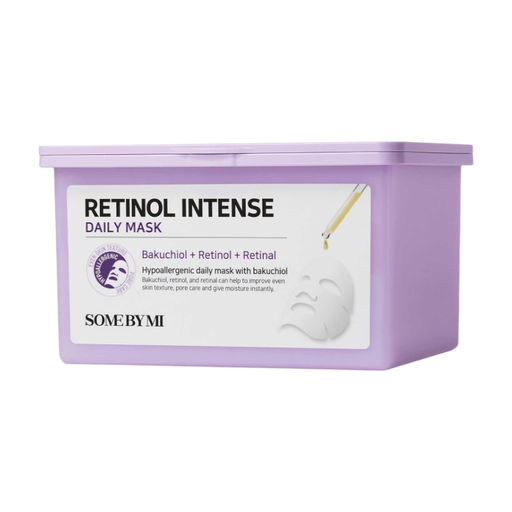
Why this fits the profile: With 30 masks, this is designed for users who want to follow a fixed schedule and are familiar with retinol products.
The packaging lists retinol 0.1%, retinal and bakuchiol. The instructions also warn about increased sun sensitivity; use sun protection during the day and perform a patch test first.
30 pieces, an ultra-thin microfibre sheet and multiple forms of hyaluronic acid in the ingredients list.
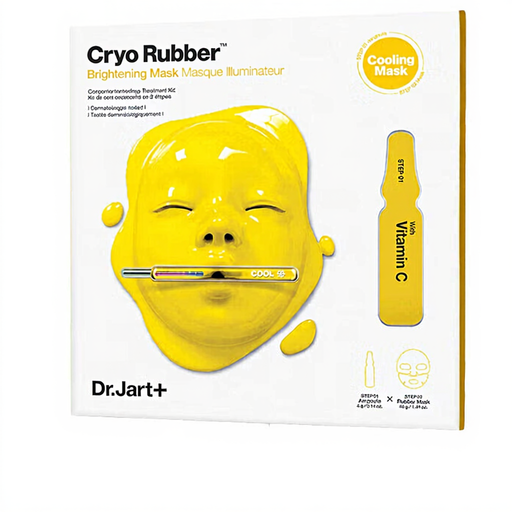
Why this fits the profile: The two steps suit anyone who wants a one-off, intensive treatment rather than a simple daily sheet mask.
The ampoule and rubber mask are separate steps. This makes it clear how much product you apply and how long the treatment lasts according to the description: 20–30 minutes.
Two-step system with niacinamide, a vitamin C derivative and a flexible rubber mask.
We’ve put together a full, up-to-date list of products that fully meet these strict selection criteria and comply with current European safety regulations.
Do not use a mask on damaged, infected or irritated skin. Consult a doctor or dermatologist if symptoms persist.
That depends on the formula. A hydrating face mask without strong active ingredients can be suitable several times a week. With retinol, retinal or a strong brightening formula, more restrained use is advisable. Always follow the product instructions.
Check the packaging. Some hydrogel masks are designed for 15–20 minutes, while others can be worn for 2–3 hours or overnight according to the instructions. Remove the mask once the stated time is up or when the instructions advise it.
Some formulas are fragrance-free or contain soothing ingredients such as centella asiatica and panthenol. However, plant extracts, essential oils and fragrance allergens can also cause reactions. Check the ingredients list and perform a patch test before first use.
