
Vandaag of morgen in huis

Kwaliteit gegarandeerd

Welkomstaanbiedingen ontgrendelen: GRATIS bezorging | Tot 80% korting | Gratis 30 dagen JoyPlus-proefperiode
Download de app
A sheet mask that feels dry after ten minutes, a clay mask that leaves your skin tight, or a hydrogel mask that looks expensive but doesn’t deliver: when it comes to Korean face masks, the packaging isn’t always a reliable guide to the experience. Marketing terms like “glass skin”, “intensive repair” and “pore minimising” sound appealing, but they tell you very little without checking the ingredients, wear time and suitability for your skin.
This guide helps you compare masks based on verifiable product information, so you can make a more informed choice for hydration, soothing, pore care or a brighter-looking complexion.
A mask containing collagen, niacinamide, hyaluronic acid and plant extracts might sound promising, but the more active ingredients there are, the greater the chance your skin may react to something. This is especially true for masks for sensitive skin – it’s wise to check separately for fragrance, essential oils and exfoliating acids.
Always check the full ingredients list on the packaging. Product descriptions can change, and the packaging is the most up-to-date source for shelf life, batch information and usage warnings.
A clay mask can absorb sebum and dirt from the skin’s surface, which may make pores appear less noticeable temporarily. That doesn’t mean pores become permanently smaller. If you use a clay face mask too often, you may actually experience dryness or a tight feeling.
Always use a clay mask according to the label, and if you have combination or oily skin, start with once a week. Avoid using it at the same time as several strong exfoliating products if your skin is prone to sensitivity.
A sheet mask is typically used for 10 to 20 minutes. A hydrogel face mask or biocellulose mask can sometimes be worn for longer, but only when the product instructions say so. A dried-out sheet mask can become uncomfortable and may draw moisture away from your skin.
Also pay attention to the fit: a mask that doesn’t sit well around your nose, chin and eyes will distribute the essence less evenly. A two-piece hydrogel mask can be practical if you’re looking for a snug fit.
Match the mask to one main goal:
A sheet mask is usually quick and easy: cleanse, apply toner if you use it, place the mask and remove it after the stated time. A hydrogel mask often stays in place better, but sometimes requires two to four hours of wear time. That’s less practical if you need to head out the door soon.
A pot mask, such as a clay mask, often gives you more control over the amount and can be applied to specific areas. Do pay attention to hygiene: use clean hands or a spatula, and seal the packaging properly.
Check for the following:
When trying a new product, first do a patch test according to the product information. Stop if you feel a burning sensation, swelling, itching or persistent redness. A face mask is not a substitute for treating skin conditions.
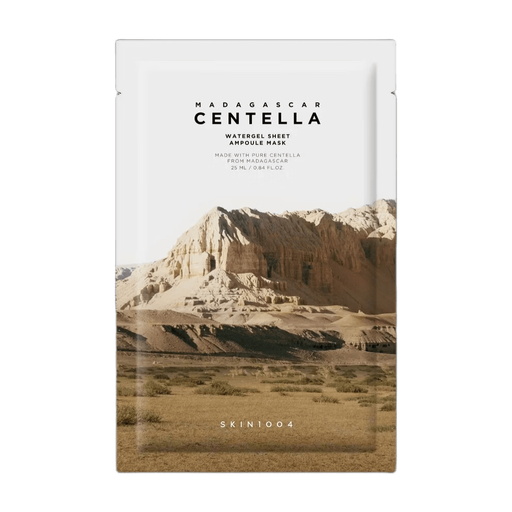
Why it fits this profile: A single sheet mask is handy for getting to know Korean skincare without committing to a large quantity straight away. The stated wear time is 10–20 minutes.
The product information clearly states the amount of essence, wear time and warnings. This means you don’t have to rely on vague claims about a “glow”.
Centella asiatica, glycerine and multiple forms of hyaluronic acid are listed in the ingredients; the mask contains 25 ml of essence.
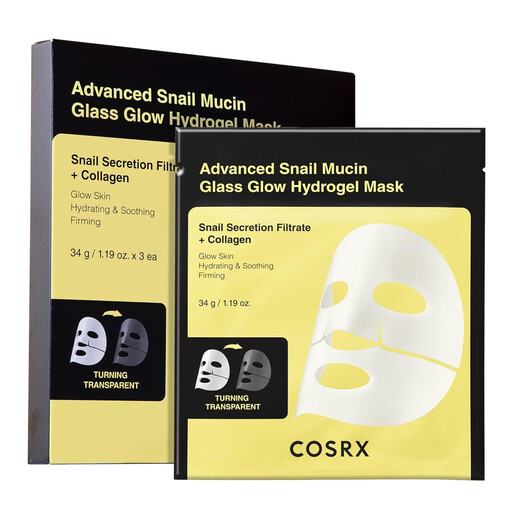
Why it fits this profile: Ideal if you enjoy a snug-fitting hydrogel mask and a longer skincare routine. According to the product information, this mask can be worn for 2–3 hours or overnight.
The translucent texture is a practical visual cue, but it’s not proof of full absorption. You still follow the stated wear time and remove the mask afterwards.
The formula contains snail secretion filtrate, panthenol, niacinamide, ceramide and hyaluronic acid; supplied as a pack of three masks.
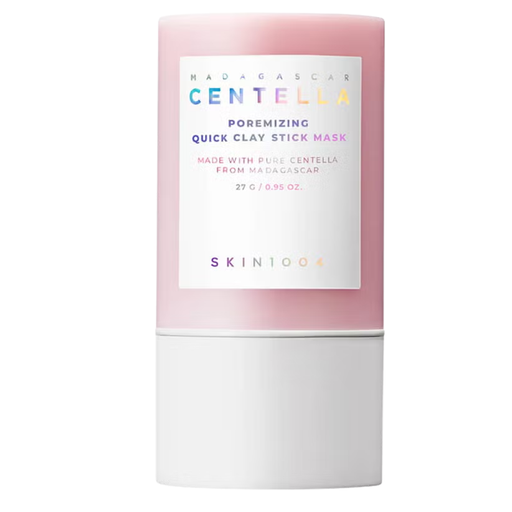
Why it fits this profile: A stick format is practical for targeted application on the T-zone or other areas with visible sebum and impurities. That’s handy when you don’t want to treat your whole face.
You can apply the product in targeted amounts, which means you’re less likely to treat dry areas of skin with clay. The stick also limits direct contact with the contents.
Stick format for easy application; according to the product information, suitable for normal, combination, dry, oily and problem skin.
A mask works best as a complement to a simple routine. Introducing several new products at once makes it difficult to work out which one is causing a reaction.
We’ve put together a full, up-to-date list of products that fully meet these strict selection criteria and comply with current European safety regulations.
It depends on the type and the ingredients. A hydrating sheet mask may be suitable for many users several times a week, whereas a clay mask is usually used less often. Always follow the label and adjust the frequency if your skin feels dry, tight or irritated.
A sheet mask is designed for single use and should be used immediately after opening. For pots and sticks, follow the information on the packaging, including the expiry date or period after opening. Store products in a cool, dry place away from direct sunlight. Seal a pot properly after use.
Some formulas are designed to be soothing and contain ingredients like centella asiatica, glycerine or allantoin. That doesn’t automatically make a product suitable for everyone. Check for fragrance, essential oils and acids, do a patch test, and stop if you experience irritation. If symptoms persist, it’s best to seek advice from a doctor or dermatologist.
