
Vandaag of morgen in huis

Kwaliteit gegarandeerd

Welkomstaanbiedingen ontgrendelen: GRATIS bezorging | Tot 80% korting | Gratis 30 dagen JoyPlus-proefperiode
Download de app
Buying a Korean sheet mask, gel mask or clay mask seems simple. Yet many shoppers pay for eye-catching packaging or a promising claim without checking whether the mask suits their skin type and routine. The right choice depends on more than terms such as “glow”, “collagen” or “anti-ageing face mask”.
Words such as “brightening”, “pore-refining” and “repairing” usually describe the aim of a formula or a brand’s positioning. They don’t guarantee a particular result. According to some brands’ product descriptions, ingredients such as niacinamide, collagen or hyaluronic acid may help keep skin hydrated or give it a radiant appearance. That doesn’t automatically mean that dark spots, wrinkles or pores will disappear.
So check the full ingredients list and the directions for use. A collagen face mask, for example, may leave skin feeling cared for and temporarily plumper, but a cosmetic mask is no substitute for medical treatment.
Leaving it on longer isn’t always better. The essence in a sheet mask can dry out, while a clay mask may leave your skin feeling tight if it dries completely. Follow the recommended time on the packaging. A gel mask or hydrogel mask may be designed to turn transparent as part of the instructions, but always check the product information.
Fragrance, retinol, exfoliating powders, clay and various plant extracts may not suit everyone. When trying a new product, carry out a patch test first, for example on a small area of skin. Don’t use a mask on damaged or irritated skin, and stop if you experience redness, itching, a burning sensation or swelling.
A sheet mask is handy for a treatment lasting around 15 to 30 minutes. Fit matters: a poorly fitting sheet is more likely to leak and feel less comfortable. Biocellulose and hydrogel masks usually fit closely, but the product instructions may recommend leaving them on for longer.
A cream or clay mask goes further per application if you’re only treating specific areas. A peel-off mask forms a film that you remove once it has dried. Gently peel it away from the edges and avoid the eye and lip area.
Always check:
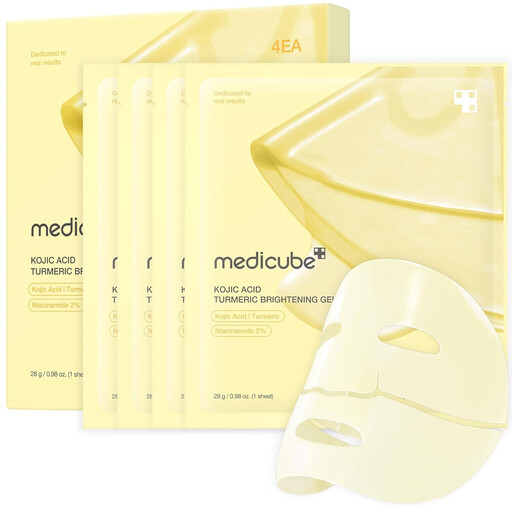
Why it suits this profile: The pack contains four 28-gram gel sheets. That makes it easy to try a brightening face mask without buying a large tub straight away.
The product information specifies the skin types it is intended for and states the number of sheets and the amount in each one. Still, check the current packaging and carry out a patch test.
Four individually packed gel masks, listed as suitable for different skin types, with the stated hydrating and brightening properties.
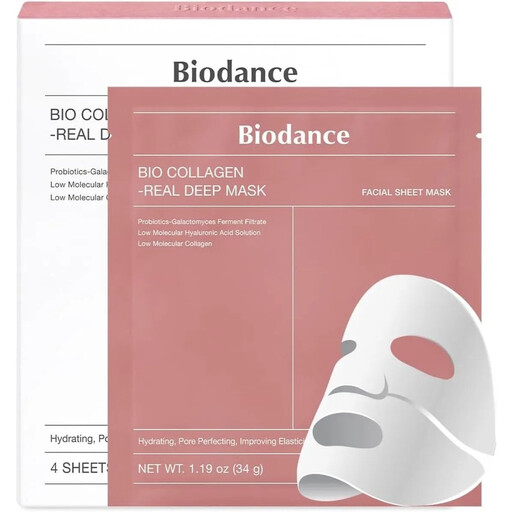
Why it suits this profile: If you enjoy an intensive K-beauty skincare routine, you get four biocellulose hydrogel masks, each weighing 34 grams. According to the product description, you can wear the mask for 3 to 4 hours or overnight.
The recommended wear time and when to remove the mask are clearly explained. So you don’t have to guess how long to leave an intensive mask on.
Biocellulose material, four individually packed masks and ingredients such as hyaluronic acid, collagen and adenosine, according to the product information.
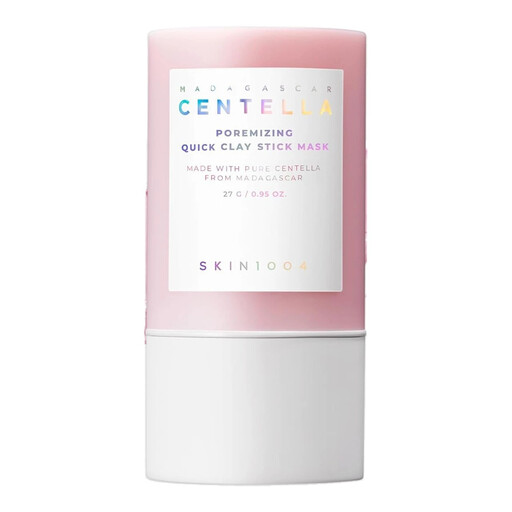
Why it suits this profile: This stick mask is aimed at people who want to focus on their T-zone or visible pores. It’s handy if you don’t want to cover your whole face with clay.
The instructions recommend a short application time of 3 to 5 minutes and say to avoid the eyes and mouth. This helps prevent you from leaving it on for too long.
27 grams of product, a stick format and a formula containing kaolin, bentonite, illite and centella, according to the product listing.
We’ve put together a complete, up-to-date list of products that meet these strict selection criteria and the applicable European safety regulations.
It depends on the type of mask and how your skin reacts. A hydrating sheet mask may suit some routines several times a week. Clay masks, peel-off masks and products with intensive active ingredients are generally used less often. Follow the packaging instructions and stop if your skin becomes irritated.
Look for hydrating ingredients such as glycerine, panthenol, hyaluronic acid, ceramides and beta-glucan. A gel or hydrogel mask is often a better fit for dry skin than a highly absorbent clay mask. Apply your usual moisturiser after using the mask to help the cared-for feeling last longer.
According to the product description, a clay mask may help absorb excess oil and dirt from the skin’s surface. It won’t permanently shrink pores and isn’t an acne treatment. Apply it to targeted areas, don’t use it too often, and choose a gentle cleansing routine if your skin tends to feel tight.
