
Vandaag of morgen in huis

Kwaliteit gegarandeerd

Welkomstaanbiedingen ontgrendelen: GRATIS bezorging | Tot 80% korting | Gratis 30 dagen JoyPlus-proefperiode
Download de app
Korean face masks come in many forms: from a simple sheet mask for 10 minutes to a hydrogel version that stays on for hours. This wide range makes comparing them tricky. A pretty package or a term like “glass skin” doesn’t tell you much about the fit, ingredients or how long to wear it.
The three most common buying pitfalls:
A cotton or rayon sheet mask is usually intended for a shorter treatment session. Hydrogel and biocellulose often adhere differently to the skin and can become transparent during use. Check whether the mask comes in one or two pieces and whether the openings fit your face well.
A hydrogel face mask is practical when you want to use plenty of essence without the material slipping easily. For sensitive skin, the ingredient list is especially important: a soft texture doesn’t automatically mean every ingredient is suitable.
Don’t just compare the number of packs, but also the number of masks per set and the amount of essence per mask. A set of four masks of 34 grams differs in use from a pack of ten masks of 20 ml.
Follow the instructions on the packaging. Remove a short-wear mask after 10 to 20 minutes, for example. Some hydrogel masks are intended for 2 to 3 hours or until they become transparent. An overnight face mask is specifically designed to stay on as the last step of your evening routine.
With a formula containing retinol, like the Thursday variant of the Daily Mask Pack, extra caution is needed. The product information advises a patch test and sun protection during the day, because retinol can increase sensitivity to sunlight.
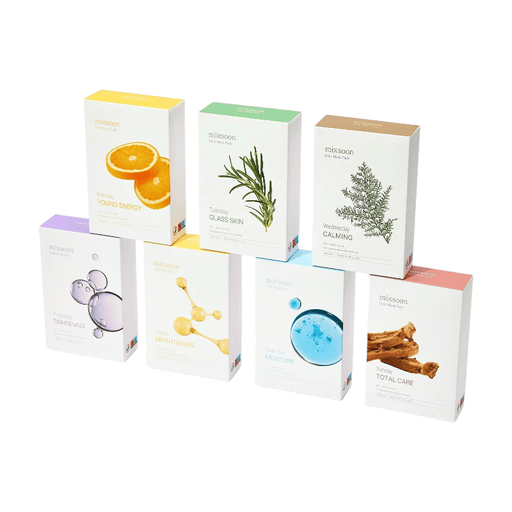
Why this fits the profile: The set contains 10 masks of 20 ml with different variants for hydration, soothing, brightening and care, among others. This makes it easy to try out several formulas.
The product information lists a separate ingredient list for each day. This means you don’t have to rely on a single general marketing claim.
10 individual masks; choice of multiple care goals; usage time according to the description: 20–30 minutes.
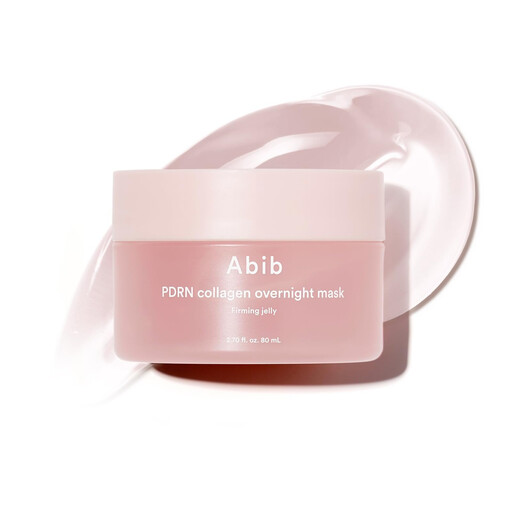
Why this fits the profile: The jelly texture is intended as the last step of your evening routine, 2–3 times per week according to the product information. The formula lists plant-based PDRN and low-molecular collagen.
The product is specifically described as an overnight mask. This makes the application clearer than with a regular sheet mask.
Fragrance-free formula according to the product description; jelly texture; designed for use overnight.
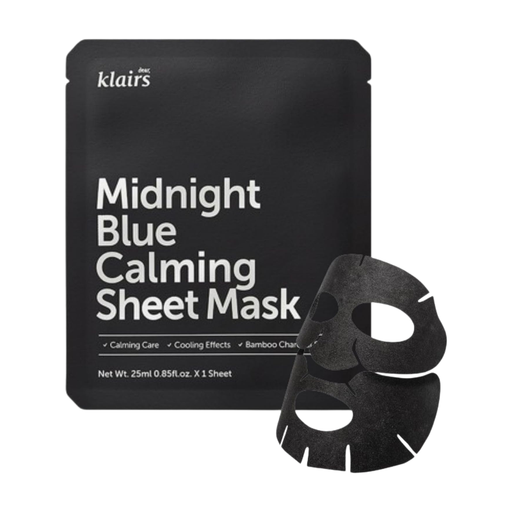
Why this fits the profile: The product information mentions a fragrance-free sheet with centella asiatica, allantoin and erythritol. The set contains 10 masks for short treatment sessions.
The usage time of 15–20 minutes is clear. However, be aware of tea tree oil and limonene in the ingredients list if you are sensitive to them.
10 masks of 25 ml; fragrance-free according to the product description; short application after cleansing and toning.
We’ve put together a full, up-to-date list of products that fully meet these strict selection criteria and comply with current European safety regulations.
A pore-cleansing mask with clay usually requires a different frequency than a hydrating face mask. A glow face mask with niacinamide or rice extract doesn’t replace your daily skincare routine. So look at the ingredients, the amount per pack and the recommended wear time rather than just the promise on the front.
It varies by type. A classic sheet mask is often used for 10–20 minutes. Hydrogel masks can stay on for 2–3 hours according to the product description, or until they become transparent. Always follow the instructions for the specific product.
It depends on the formula. A mild hydrating mask can fit into a routine more often than a clay mask or a product with exfoliating ingredients. With retinol, PHA or other active ingredients, it’s wise to follow the product instructions and build up gradually.
Some formulas are designed for this, for example with panthenol, centella asiatica or allantoin. However, every skin can react differently. Check for fragrance, essential oils, retinol and exfoliating ingredients, and do a patch test beforehand. If irritation persists, stop using the product and seek medical advice.
