
Same-day & Next-day Delivery

Quality Guaranteed

Unlock Your Welcome Offers: FREE Delivery | Up to 80% OFF | Free 30-day JoyPlus trial
Download the APP
Korean face masks are available as sheet masks, hydrogel masks, clay masks and overnight treatments. With such a wide range to choose from, finding the right one is not always easy. A mask that looks luxurious is not automatically suitable for your skin type or routine.
The most common poor purchases come down to three pitfalls:
First, decide what you want the mask to do:
However, an ingredient listed on the packaging does not tell you how much of it is present. The order of the ingredients can sometimes provide a useful indication, but it is not a complete assessment of the formula.
A sheet mask is convenient for a quick skincare routine. Check the number of sheets, the amount of essence in each sheet and the recommended application time. A pack containing 10 or 30 masks may appear good value, but also consider the shelf life after opening and whether you will use the masks regularly.
A hydrogel face mask usually fits closely to the skin. According to the product instructions, some varieties are worn for 2 to 4 hours or overnight. Remove the mask once the stated time has passed or when it becomes transparent.
An overnight face mask is usually a gel or cream product that you apply as the final step in your routine. This is practical if you do not have time for a separate mask during the day. A clay mask works differently: rinse it off after a few minutes and preferably do not use it on the same evening as several exfoliating products.
For a face mask for sensitive skin, the safety instructions are particularly important. Check whether the formula contains fragrance, essential oils, limonene, acids or retinol. Natural ingredients can also cause irritation for some people.
Carry out a patch test before using a new product, especially if your skin reacts easily. Do not use a mask on damaged or irritated skin, and stop if you experience burning, itching, redness or swelling. The Thursday mask in the Daily Mask Pack contains retinol. According to the product information, retinol can increase sensitivity to sunlight; therefore, use sun protection during the day and follow the instructions on the packaging.
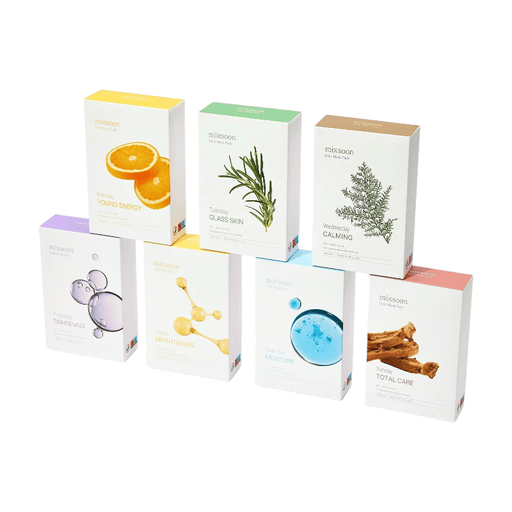
Why it suits this profile: A pack of 10 sheets with different daily varieties is a straightforward choice for anyone wanting to try Korean skincare without buying several separate products straight away.
The product information lists the ingredients separately for each day. This allows you, for example, to distinguish the hydrating Saturday variety from the retinol variety.
10 sheet masks of 20 ml; varieties containing ingredients including niacinamide, panthenol, centella asiatica and hyaluronic acid.

Why it suits this profile: The hydrogel texture and detailed ingredients list are well suited to those who prefer an intensive skincare session rather than daily use.
The wear time is clearly stated: 3–4 hours during the day or overnight. You therefore do not need to treat it like a short-use sheet mask.
4 hydrogel masks of 34 g; ingredients include panthenol, hyaluronic acid and several types of ceramide.
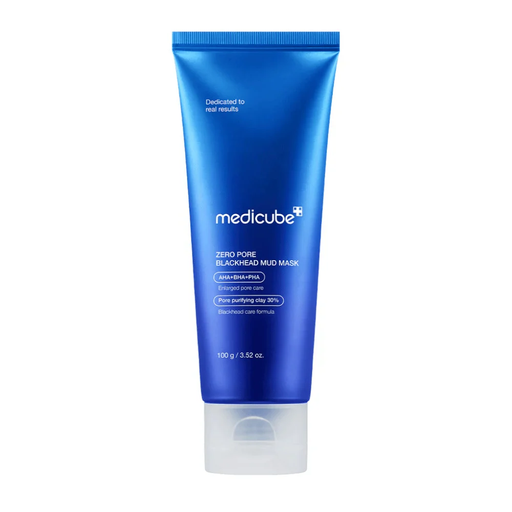
Why it suits this profile: This clay mask for pores is designed for a specific step: cleansing areas with visible pores or blackheads.
The instructions specify a short application time of around 3 minutes. The formula contains AHA, BHA, PHA and citrus oils, so patch testing and limited use are important.
Contains kaolin, bentonite, montmorillonite and salicylic acid; intended for use 1–2 times a week, depending on your skin’s tolerance.
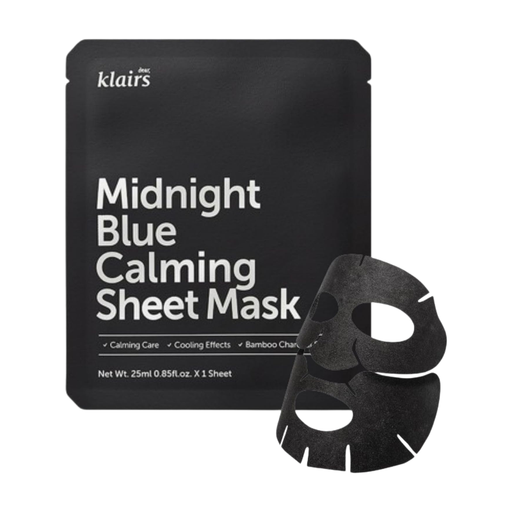
Why it suits this profile: This sheet mask is designed to be worn for 15–20 minutes, making it a good fit for a short evening routine when you are primarily looking for hydration and comfortable-feeling skin.
The formula contains no artificial fragrances, but it does contain tea tree oil and limonene. Always check the ingredients list if you have sensitive skin.
Pack containing 10 masks of 25 ml; contains ingredients including glycerine, allantoin and centella asiatica.
We have put together a complete, up-to-date list of products that fully meet these strict selection criteria and the applicable European safety regulations.
It depends on the type. A hydrating sheet face mask is often used several times a week, provided your skin tolerates it well. A clay mask for pores or a mask containing acids is generally used less frequently. Always follow the instructions on the packaging and do not combine several highly active masks on the same day.
Most sheet masks should be left on for around 10 to 20 minutes. Some hydrogel masks have a longer wear time, such as 2 to 4 hours or overnight. The packaging provides the definitive guidance. Remove a sheet mask once the stated time has passed and gently pat the remaining essence into your skin.
Choose a simple formula with as few potential irritants as possible, and check for fragrance, essential oils, acids and retinol. Ingredients such as glycerine, panthenol, allantoin and centella asiatica are often used in soothing formulas, but everyone’s skin reacts differently. Always carry out a patch test first and do not use the mask on damaged skin.
