
Same-day & Next-day Delivery

Quality Guaranteed

Unlock Your Welcome Offers: FREE Delivery | Up to 80% OFF | Free 30-day JoyPlus trial
Download the APP
Buying a Korean face mask might seem straightforward: pick a pretty package, look at the popular ingredients, and add it to your basket. Yet there are clear differences between a Korean sheet mask, a hydrogel mask, a wash-off mask and a gel mask. Choosing the wrong one can lead to waste, irritation, or a product that simply doesn't suit your skin type and routine.
As a Joybuy Product Recommendation Officer, I filter out the marketing language to bring you practical buying information. Below, you'll find what to look for in Korean face masks in 2026, including ingredients, usage time, packaging and skin goals.
Words like collagen, glutathione, retinol and Centella sound convincing, but they don't tell you everything about the formula. Always check the full INCI ingredients list. Also pay attention to where an ingredient appears on the list: ingredients listed first are typically present in higher amounts than those at the bottom.
For example, a collagen mask might mainly contain hydrating components, while "brightening" doesn't automatically mean pigment spots will disappear. So it's better to think of it as "for a more radiant-looking complexion" rather than expecting an absolute result.
A product may be described as suitable for all skin types, yet still contain fragrance, essential oils or active ingredients. With a face mask for sensitive skin, you should therefore check for things like fragrance, limonene, linalool, tea tree oil, bergamot oil and retinol.
If in doubt: test a small amount on your arm or behind your ear first and wait 24 hours. Do not use a mask on damaged, inflamed or irritated skin. Stop if you experience a burning sensation, itching, swelling or a rash.
Leaving a mask on for longer doesn't automatically mean more care. A sheet mask is typically used for 10 to 20 minutes, depending on the packaging. Hydrogel masks that turn transparent can sometimes be left on longer according to the product instructions. A dried-out mask can actually feel uncomfortable.
For a face mask for hydration, multiple forms of hyaluronic acid, glycerine, panthenol and ceramide NP are practical ingredients to compare. A soothing face mask often contains Centella Asiatica, allantoin, liquorice derivatives or betaine.
If you're looking for a brightening face mask, you might come across niacinamide, vitamin C derivatives or rice extract. These ingredients mainly support a more even and radiant-looking complexion. Citric acid, vitamin C and retinoids can increase sensitivity to sunlight; daily sun protection remains important.
With an anti-ageing face mask, adenosine, peptides, retinol and collagen are common ingredients. Treat claims about firmness, fine lines or elasticity as the brand's product claims. Results measured in a specific test group by the brand's own research are no guarantee for every individual.
A pack of 30 sheets is practical for daily use, but only good value if you tolerate the formula well and the packaging seals hygienically. A product with three hydrogel masks may be more expensive per use, but fits better into a weekly intensive routine.
Check:
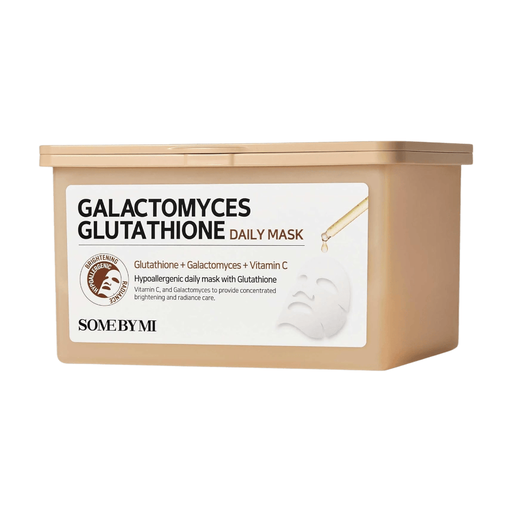
Why This Fits Their Persona: The pack contains 30 sheets and fits into a simple daily routine.
The choice is based on the number of sheets and the ingredients list, not just the claims about glutathione.
30 single-use sheets; contains glycerine, niacinamide, panthenol and multiple forms of hyaluronic acid.
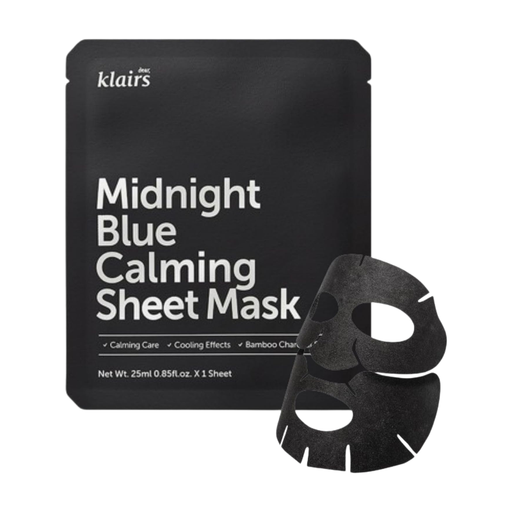
Why This Fits Their Persona: Suits anyone looking for a short, cooling skincare step after a long day.
The product description mentions a fragrance-free formula; do check the current packaging, as the ingredients list includes limonene.
10 masks of 25 ml; contains Centella Asiatica, erythritol and allantoin.
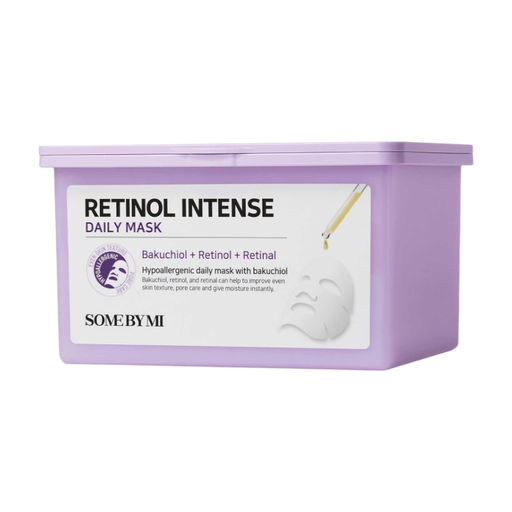
Why This Fits Their Persona: Interesting for anyone who wants to incorporate retinol into a consistent skincare routine and follows the usage advice.
The retinol concentration of 0.1% is stated. The product also contains retinal and requires sun protection and careful gradual introduction.
30 sheets; contains retinol, retinal, bakuchiol, niacinamide and hyaluronic acid.
Browse a current selection of masks and compare size, ingredients, skin goal and usage time before you order.
A sheet mask is a supplement to your routine, not a replacement for cleansing, moisturising and sun protection. During pregnancy, breastfeeding, with known allergies or if you're unsure about retinol, it's wise to discuss the ingredients with a healthcare professional.
That depends on the formula. A simple hydrating sheet mask can be used regularly according to the product instructions. With retinol, acids, vitamin C or multiple active products, it's wiser to use it less often and build up gradually. Always follow the label.
Check the expiry date, batch information and any period-after-opening symbol on the packaging. An opened jar of gel mask needs extra attention to hygiene. Individually wrapped sheets generally stay sealed until use. Throw a mask away when the smell, colour, texture or packaging has clearly changed.
For dry skin, look for glycerine, panthenol, hyaluronic acid, squalane and ceramides. For sensitive skin, a short ingredients list and little fragrance are often practical starting points. A Centella mask or soothing mask can suit a need for comfort, but always check for essential oils and known allergens.
