
Vandaag of morgen in huis

Kwaliteit gegarandeerd

Welkomstaanbiedingen ontgrendelen: GRATIS bezorging | Tot 80% korting | Gratis 30 dagen JoyPlus-proefperiode
Download de app
A Korean face mask can be a practical addition to your skincare routine, but not every mask suits every skin type. One formula is designed for quick hydration, another for an intensive overnight treatment or for purifying pores. If you only go by words like “glow”, “lifting” or “deep care”, you might end up buying a product that doesn’t feel right or sits unused in your cupboard.
Terms like collagen mask, anti-ageing face mask and “firming” sound appealing, but they don’t automatically describe a lasting result. First, look at the ingredients list, usage time and application. Collagen, niacinamide, hyaluronic acid and adenosine each play a different role in a cosmetic product.
According to the product description, the Biodance Bio Collagen Real Deep Face Mask contains collagen extract, glycerine, niacinamide and hydrolysed hyaluronic acid. The hydrogel becomes transparent after a few hours, as per the usage instructions. That is a verifiable product feature; claims about skin rejuvenation or reducing wrinkles should not be taken as a guaranteed result.
A hydrating face mask can still contain fragrances, essential oils or exfoliating acids. If you have sensitive skin, it’s wise to look out for parfum, limonene, linalool, citrus oils, retinol, AHA, BHA and PHA.
The Dear, Klairs Midnight Blue Calming Sheet Mask is presented as fragrance-free in the product description. However, the listed ingredients do include limonene and tea tree oil. That doesn’t mean the product is unsuitable for everyone, but it does highlight why you should check the packaging and ingredients if you have a reactive skin.
A sheet mask is typically used for 15 to 30 minutes. A hydrogel face mask can be left on for three to four hours or overnight. A clay mask usually needs to be rinsed off after a few minutes. The right choice therefore also depends on the time you have available and your personal preference.
For a face mask for dry skin, look for glycerine, hyaluronic acid, panthenol, betaine, ceramides and shea butter. For dull skin, niacinamide, rice extracts or vitamin E are often used. If you’re looking for a soothing face mask, you can look out for ingredients such as centella asiatica, allantoin and dipotassium glycyrrhizate.
For sensitive skin, a short ingredients list isn’t mandatory, but fewer potential irritants can make choosing easier. Always test new products on a small area of skin first. Stop if you experience redness, itching, swelling or a burning sensation.
Always follow the instructions on the packaging. Leaving a sheet mask on for longer than recommended can become uncomfortable when the sheet dries out. Extra caution is needed with products containing retinol, AHA, BHA or PHA. The Daily Mask Pack Saturday includes a variant with retinol according to the ingredients information; sun protection is therefore recommended during the day.
A mask does not replace a cleanser, moisturiser or sunscreen. Think of it as an additional step within your Korean skincare routine.
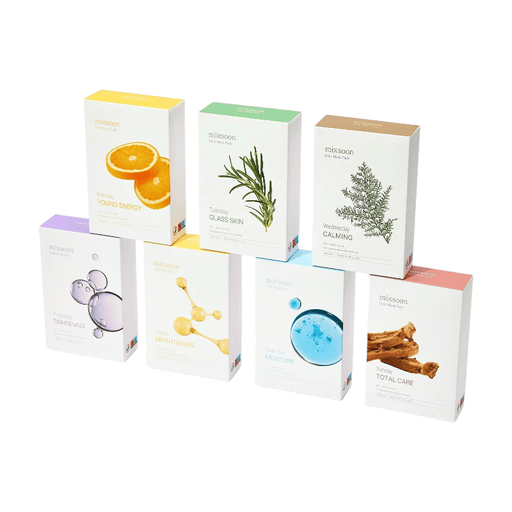
Why this fits the profile: The pack contains ten masks in different variants, including calming, moisture and brightening. This makes it an easy way to try out different skincare goals.
The variants are named by day. Do check the ingredients for each individual mask, especially if you have sensitive skin.
Ten individual sheet masks of 20 ml; contains glycerine, panthenol, betaine and niacinamide among others.
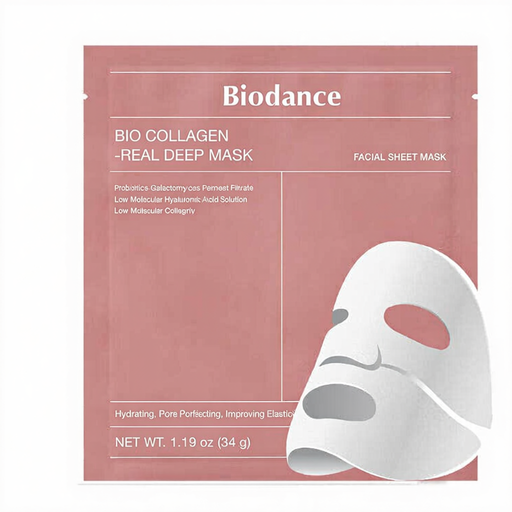
Why this fits the profile: Ideal for those who want to make time for a weekly, intensive treatment session and prefer a hydrogel texture.
The usage time is clearly stated: three to four hours during the day or overnight. This means it’s not a quick sheet mask choice.
Four masks of 34 g; hydrogel consists of two parts and contains collagen extract, glycerine and hydrolysed hyaluronic acid.
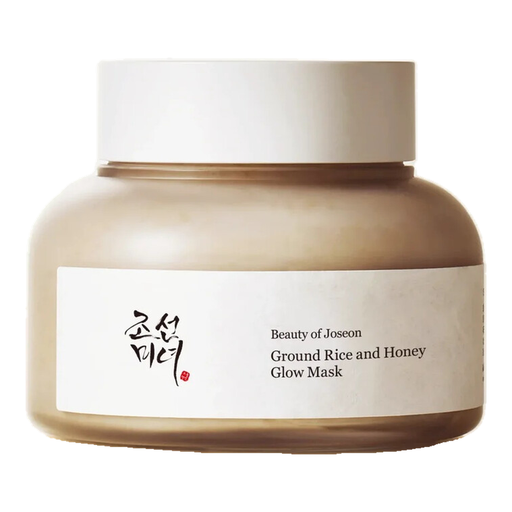
Why this fits the profile: A suitable option for those who prefer a rinse-off mask and want to combine hydration with clay and gentle exfoliating particles.
The instructions clearly state 15–20 minutes and rinse off. This makes the application clearer than with a sleeping mask.
Contains kaolin, honey and rice powder according to the ingredients list; the formula is designed as a rinse-off clay mask.
We’ve put together a full, up-to-date list of products that fully meet these strict selection criteria and comply with current European safety regulations.
That depends on the formula. A hydrating sheet mask can be used several times a week according to the packaging. A clay mask or exfoliating mask with AHA, BHA or PHA requires more restraint. Start with once a week and see how your skin reacts.
Choose a formula with hydrating ingredients such as glycerine, hyaluronic acid, panthenol, betaine, ceramides or shea butter. A hydrogel face mask or sleeping mask can be pleasant if you’re looking for a longer treatment step. Avoid leaving it on for too long and apply a moisturiser after the mask if needed.
It can be, but check the ingredients first. A soothing face mask with, for example, centella asiatica or allantoin can be a logical choice, while fragrance, essential oils and exfoliating acids may be less pleasant for some users. Test a new product on a small area of skin and always follow the safety instructions on the packaging.
