
Vandaag of morgen in huis

Kwaliteit gegarandeerd

Welkomstaanbiedingen ontgrendelen: GRATIS bezorging | Tot 80% korting | Gratis 30 dagen JoyPlus-proefperiode
Download de app
Korean face masks come in many forms: from a classic sheet mask to a hydrogel face mask, clay mask or overnight mask. With such a wide range on offer, choosing isn’t always straightforward. Just because a mask has words like “glow”, “collagen” or “brightening” on the packaging doesn’t automatically mean it’s right for your skin or routine.
Instead, pay close attention to the ingredients list, the recommended wear time and how you’re supposed to use the mask. That way, you’ll avoid paying over the odds for a product that irritates, dries out your skin or ends up gathering dust in the bathroom.
Terms like “brightening”, “firming” and “glass skin” usually describe a product’s aim or positioning. They don’t guarantee a specific outcome. According to some brands’ own research, users might report increased hydration or elasticity, but these results don’t automatically apply to every consumer.
So, look for verifiable information instead:
A collagen mask, niacinamide mask or snail mucin mask might sound appealing, but one ingredient doesn’t define the entire formula. The rest of the formulation can be just as important for skin tolerance.
With a face mask for sensitive skin, it’s wise to pay extra attention to fragrance, essential oils, alcohol and acids. If you have dry skin, look instead for glycerin, hyaluronic acid, panthenol, ceramides or soothing oils. These ingredients don’t guarantee a product will work for everyone, but they do give you a useful starting point when comparing options.
Leaving a sheet mask on for longer than instructed doesn’t automatically make it more effective. When a sheet mask dries out, it can feel uncomfortable. A hydrogel mask, overnight mask or sleeping mask often has different usage advice to a thin sheet mask.
Always follow the packaging. Stop if you feel a stinging sensation, swelling, redness or itching. When trying a new product, test it on a small patch of skin first, especially if you’ve reacted sensitively before.
A sheet mask is practical for a quick skincare step of around 10 to 20 minutes. The mask is usually individually wrapped and designed for single use. A hydrogel face mask often adheres closely to the skin and, according to the product information, can be worn for longer – sometimes several hours or even overnight.
A wash-off mask, such as a clay mask or powder mask, needs to be removed after the specified time. A sleeping mask, on the other hand, stays on your skin as the final step. Choose the type based on your routine, not just the packaging.
For a hydrating face mask, common ingredients include glycerin, sodium hyaluronate and panthenol. For a brightening face mask, you’ll often see niacinamide, vitamin C, rice extract or glutathione. Product information about “brightening” describes a cosmetic aim; it’s not a medical treatment for pigmentation.
With an intensive routine, acids, retinol and essential oils may need extra consideration. SOME BY MI, for example, lists PHA in the Spirulina Soothing Sherbet Mask. The product information warns that PHA can increase sensitivity to sunlight. MEDICUBE lists retinol in the Kojic Acid Turmeric Brightening Gel Mask, with a similar warning about sun sensitivity.
Don’t just compare the price of one pack. Divide the price by the number of masks or look at the weight of a jar. A pack of 30 sheets might seem good value for daily use, whereas a hydrogel mask with three pieces might be intended for less frequent treatments.
Also check the expiry information, batch number and storage instructions. Store masks in a cool, dry place away from direct sunlight. Once opened, a jar should be sealed tightly to prevent drying out and contamination.
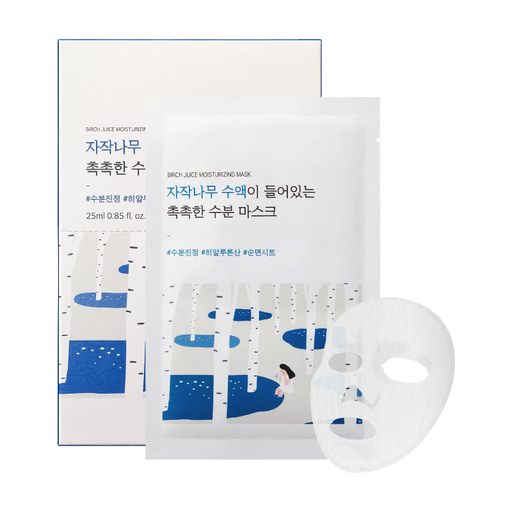
Why this fits the profile: The pack contains 10 individual sheet masks of 25 ml each. That makes it easy to schedule a regular hydration moment without having to open a large jar straight away.
The product information states a clear wear time of 10 minutes and single use. So you don’t have to guess how long to leave the mask on.
Glycerin, birch sap and sodium hyaluronate appear in the ingredients list. Suitable as a simple hydrating face mask.
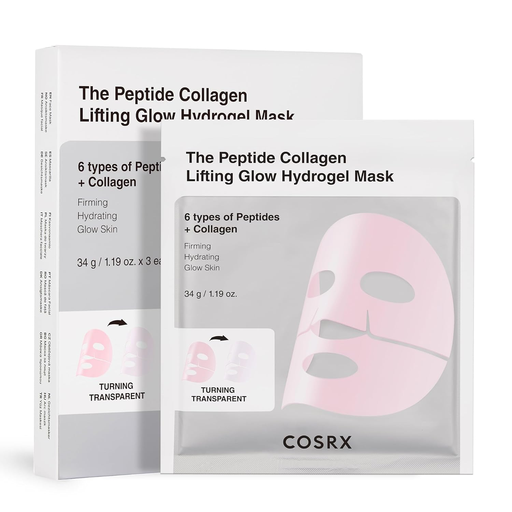
Why this fits the profile: This hydrogel face mask is designed for those who want a close-fitting texture and a longer skincare step. The product information mentions use for 2 to 3 hours or possibly overnight.
The pack contains 3 masks and recommends a patch test before use on the face. That helps you make an informed choice when considering a concentrated formula.
According to the ingredients list, it contains peptides, collagen, hyaluronic acid and ceramides. The gel becomes transparent as the wear time progresses.
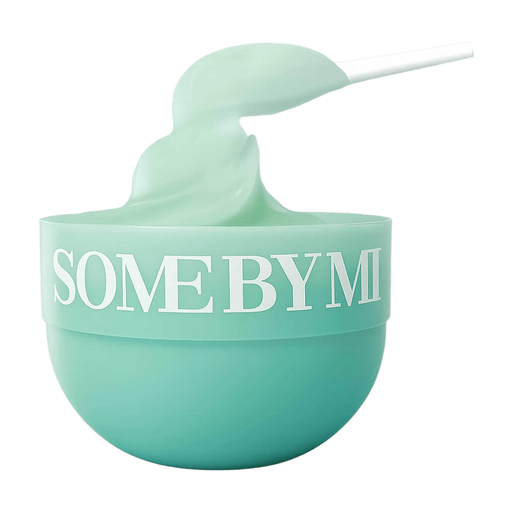
Why this fits the profile: This isn’t a standard sheet mask, but a powder mask you mix with around 45 ml of water. It suits users who want to try a separate wash-off routine.
The instructions mention mixing, leaving on for 10 minutes and then rinsing off. It also states a usage frequency of 1 to 2 times per week.
Powder form, vegan according to the product description and fragrance-free according to the stated information. Contains gluconolactone, a PHA.
We’ve put together a full, up-to-date list of products that fully meet these strict selection criteria and comply with current European safety regulations.
That depends on the product instructions and your skin. A simple hydrating sheet mask is often used for a short time and then thrown away. A mask with PHA, retinol, vitamin C or essential oils requires more restraint. Follow the packaging and don’t add multiple intensive products to your routine at the same time.
Look for hydrating and soothing ingredients like glycerin, hyaluronic acid, panthenol, ceramides and certain oils. A sleeping mask, such as the COSRX Ultimate Nourishing Rice Spa Overnight Mask, can be used as the final step according to the product description. Test a small amount first if your skin reacts quickly.
Only if the instructions allow it. Some hydrogel masks are designed for 2 to 3 hours and can, according to the product information, possibly be used overnight. Other masks must be removed after 10 to 15 minutes. Leaving a mask on for longer than recommended isn’t a reliable way to improve the results.
