
Vandaag of morgen in huis

Kwaliteit gegarandeerd

Welkomstaanbiedingen ontgrendelen: GRATIS bezorging | Tot 80% korting | Gratis 30 dagen JoyPlus-proefperiode
Download de app
Korean face masks come in many forms: from a quick sheet mask to a hydrogel mask that stays on for several hours. This wide range can make comparing them tricky. A pretty package or a long list of ingredients doesn’t automatically mean a mask is right for your skin type or routine.
When you shop with purpose, you should focus on the mask type, how long it’s worn, the ingredients, and the packaging information. This way, you can avoid a mask that feels too heavy, doesn’t fit properly, or ends up unused in the bathroom after a single use.
Terms like “glow”, “firming”, “pore minimizing” and “brightening” usually describe a product’s aim, not a guaranteed outcome. According to COSRX’s own research, the group tested reported a firmer and more elastic-feeling skin, for example. That’s information from the brand, not a general guarantee for every user.
So, look first at verifiable details, such as the ingredients list, the number of masks per pack, and the recommended wear time.
A sheet mask is typically designed for around 10 to 20 minutes. A hydrogel mask can stay on longer and, with some products, becomes transparent as the essence is absorbed. A sleeping mask, on the other hand, forms the final step of your evening routine. A clay mask is usually rinsed off and is better suited to those who want to focus on sebum and pores.
A mask that stays on too long or doesn’t fit your routine can become uncomfortable. Always follow the usage instructions on the packaging.
A product may be described as suitable for sensitive skin, but individual reactions are still possible. Check the INCI list for perfume, essential oils, and known allergens. The Dear, Klairs Midnight Blue Calming Sheet Mask, for example, is described as fragrance-free, but the ingredients list includes tea tree oil and limonene. This makes a patch test advisable, especially if you have a reactive skin.
Choose a form you’ll actually use:
Also pay attention to the fit. A sheet mask that doesn’t sit well will distribute the essence less evenly and can shift as you move.
For a hydrating face mask, you’ll often see glycerine, hyaluronic acid, panthenol and betaine. If you’re mainly looking for a comfortable and supple skin feel, you can use these ingredients as a practical point of comparison.
With a Centella Asiatica mask, it’s important to check where Centella Asiatica appears on the ingredients list. The SKIN1004 Watergel Sheet Ampoule Mask is described as containing 51% Centella Asiatica essence. Always check the current packaging and ingredient information before purchasing.
For a brightening face mask, ingredients like niacinamide, tranexamic acid and vitamin C derivatives are common. The SKIN1004 Tone Brightening Glow Mask is described as containing MadeWhite, a complex of Centella Asiatica, tranexamic acid and 3-O-ethyl ascorbic acid. These are product claims from the brand; they should not be read as having a medical effect.
A collagen face mask may contain collagen extract, hydrolysed collagen, adenosine or peptides. These ingredients can contribute to a cared-for and supple skin feel, but they don’t guarantee a lasting change.
Single-use masks are individually packaged. This is practical for travel and helps prevent them from drying out before use. A pot of clay mask can be more economical for regular use, but requires clean hands or a spatula.
Also check:
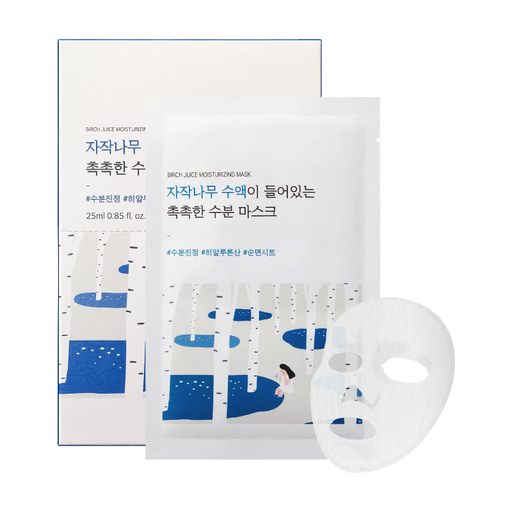
Why this fits the profile: A pack of 10 individual sheet masks is handy if you want a simple, hydrating routine on a regular basis.
The instructions state a wear time of 10 minutes. This makes it clear you don’t need to treat it as a sleeping mask.
10 pieces per pack; contains birch sap, glycerine, sodium hyaluronate and allantoin according to the ingredients list.
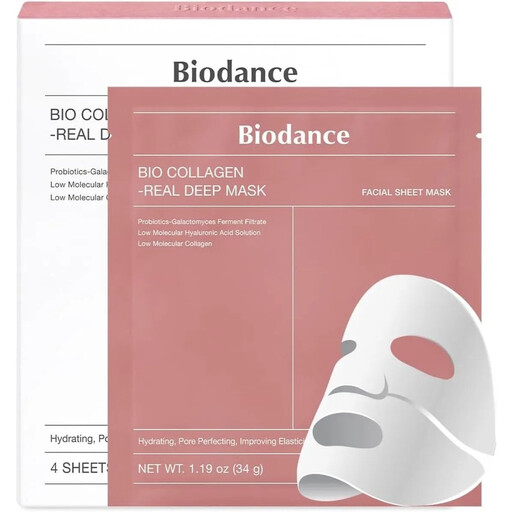
Why this fits the profile: The hydrogel structure and longer wear time suit a planned evening routine or an extended pampering session.
The instructions recommend 3 to 4 hours or overnight and advise removing the mask when it becomes transparent.
4 masks of 34 grams; contains collagen extract, hyaluronic acid, niacinamide and adenosine according to the product information.
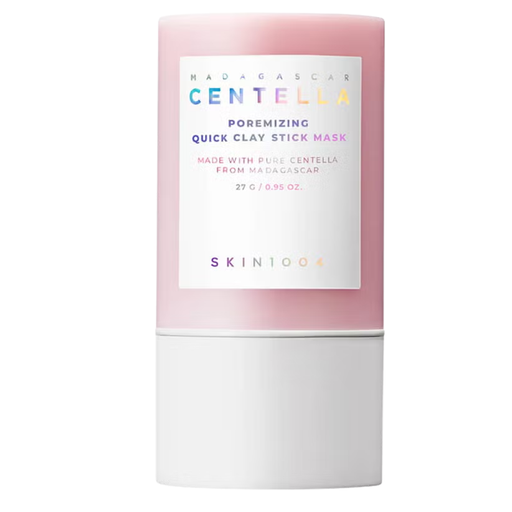
Why this fits the profile: The stick format is practical for targeted application and reduces mess during a clay mask routine.
You don’t need to take the product from a pot with your fingers. The stick makes application to, for example, the T-zone much easier to manage.
27 grams content; stick format; according to the product information, suitable for multiple skin types.
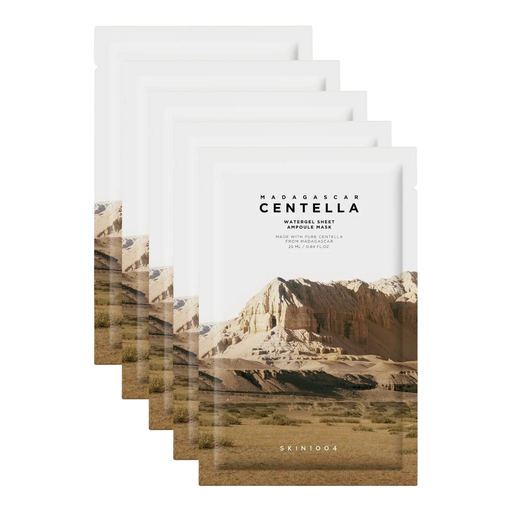
Why this fits the profile: The watergel structure and Centella Asiatica suit those who are mainly looking for hydration and a comfortable skin feel.
The instructions state 10 to 20 minutes. You don’t need to wear the mask for longer to extend your routine.
Pack of 5 pieces; Centella Asiatica, glycerine and multiple forms of hyaluronic acid are listed in the product information.
We’ve put together a full, up-to-date list of products that fully meet these strict selection criteria and comply with current European safety regulations.
That depends on the product and your skin. Many sheet masks are designed for regular use, but follow the stated wear time and pay attention to how your skin reacts. A mask for sensitive skin can first be tested on a small area of your body.
Check the expiry date or the period after opening on the packaging. An individually packaged sheet mask should ideally be used immediately after opening. Store masks in a cool, dry place away from direct sunlight, unless the packaging gives other instructions.
Calculate the monthly cost by dividing the price of the pack by the number of masks and multiplying that by how often you use them. A pack of 10 sheet masks can work out more economical for weekly use, whereas a hydrogel mask with a longer wear time is better suited to occasional intensive care.
