
当日/次日达

品质保障

开启新人专享福利: 全场免邮 | 低至 2 折 | 免费试用 30 天 JoyPlus 会员
下载 Joybuy
A beautifully packaged sheet mask can seem like a straightforward purchase. Yet Korean face masks vary greatly in terms of material, ingredients, wear time and ease of use. A mask that sounds appealing in an advert will not automatically suit your skin or routine.
Three common pitfalls come up time and again:
A sheet mask is usually a fibre or rayon sheet soaked in essence. You generally apply it to cleansed skin and remove it after around 10–20 minutes. This format works well for a short skincare routine, for example after a long day at work or before a special occasion.
A hydrogel face mask often fits closely to the skin. Some varieties become transparent the longer they are worn. Always check the instructions: certain Biodance and masks are designed to be worn for 2–4 hours or possibly overnight, while other hydrogel masks should be removed after 15–20 minutes.
An overnight mask, also known as a sleeping face mask, works more like a final layer of skincare. Apply a thin layer and leave it on while you sleep, following the product instructions. This can be practical as a face mask for dry skin, but a rich texture may feel less comfortable on oilier skin or on your bedding.
For dehydrated or dry skin, ingredients such as glycerine, panthenol, ceramides and hyaluronic acid are useful to compare. A hyaluronic acid mask may contain moisture-binding ingredients, but the eventual feel also depends on the rest of the formula.
If you are looking for a soothing face mask, look out for Centella asiatica, allantoin, panthenol and liquorice extract. A Centella asiatica mask will not automatically suit everyone: check the full INCI list and look out for essential oils, fragrance allergens or other ingredients to which you may be sensitive.
Niacinamide is found in various Korean masks and is often associated with a more even-looking complexion. Based on a brand’s own research or claims, you should not regard such effects as guaranteed results. Instead, focus on verifiable information: whether niacinamide is present and its concentration, when stated.
With a collagen mask, it is important to distinguish between collagen extract or hydrolysed collagen in the formula and broader claims about firmness or wrinkles. An ingredient listed on the packaging is not a guarantee of a medical or lasting effect.
Before buying, look out for:
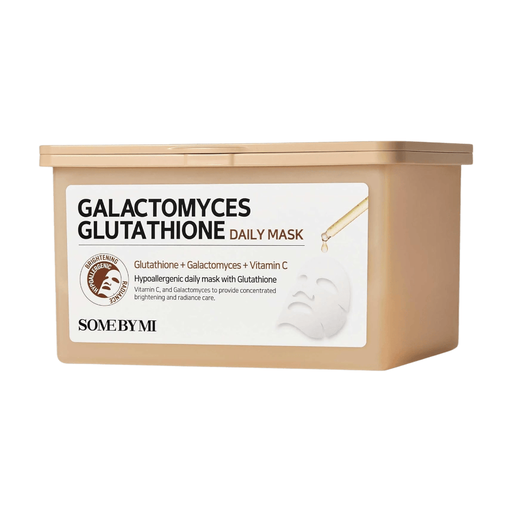
Why it suits this profile: The pack contains 30 sheets, making it an accessible way to try a daily Korean skincare routine.
The recommended wear time is clearly stated: 10–20 minutes. So you do not have to guess whether the mask can be left on overnight.
30 masks per pack; the ingredients list includes glycerine, niacinamide, panthenol and several forms of hyaluronic acid.
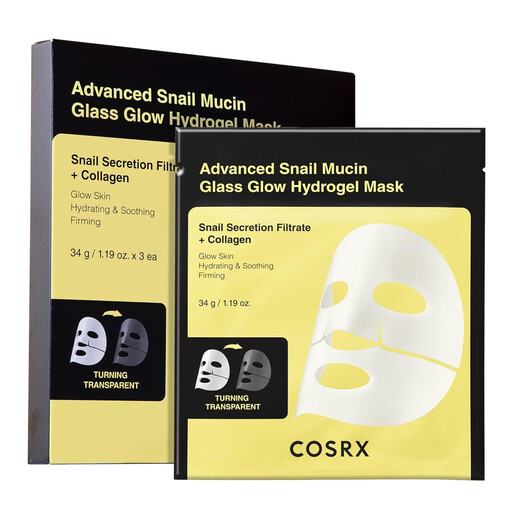
Why it suits this profile: This hydrogel mask is designed for a more extensive skincare session and contains a broad combination of hydrating and skin-supporting ingredients.
The instructions state 2–3 hours or overnight, until the mask becomes transparent. This prevents you from leaving a short-wear sheet mask on for too long.
3 masks of 55 ml; the ingredients list includes snail secretion filtrate, niacinamide, ceramides, panthenol and hyaluronic acid.
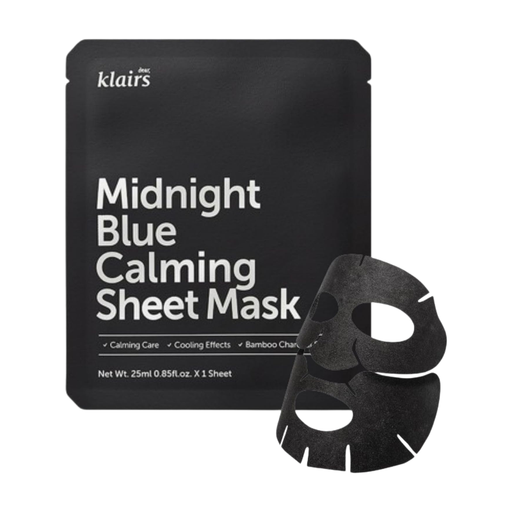
Why it suits this profile: The short application time of 15–20 minutes suits users looking for a targeted soothing session without an overnight mask.
The product information states that the mask is free from artificial colourings and fragrances. However, check the full INCI list: limonene and tea tree oil are listed.
10 sheets of 25 ml; according to the ingredients list, it includes erythritol, allantoin and Centella asiatica extract, among other ingredients.
We have put together a complete, up-to-date list of products that fully meet these strict selection criteria and the applicable European safety regulations.
With a mask for redness or a mask for sensitive skin, it is important to be cautious. Persistent redness, burning or itching is not a normal skincare result. Stop using the product and seek advice from a doctor or dermatologist if symptoms persist.
That depends on the product instructions and how your skin reacts. According to the packaging, some daily masks are intended for everyday use, while intensive hydrogel masks are often used once or twice a week. If you have sensitive skin, start by using it less often and only increase the frequency if your skin tolerates it well.
Check the expiry date, batch information and any period-after-opening symbol on the packaging. An opened jar, such as an overnight mask, should be closed properly to minimise drying out and contamination. Individually packaged sheet masks are better protected while sealed; do not use them if the packaging or scent has clearly changed.
Divide the price of the pack by the number of sheets or applications. A set of 30 inexpensive masks may offer good value for regular use, while a hydrogel or collagen mask containing only a few masks may have a higher price per treatment. So do not compare the packaging alone: also consider the contents, wear time and intended frequency of use.
