
Livraison le jour même et le lendemain

Qualité garantie

Débloquez vos offres de bienvenue: Livraison GRATUITE | Jusqu'à -80 % | 30 jours d'essai gratuits à JoyPlus
Téléchargez l'application
Buying a Korean face mask may seem simple: choose attractive packaging, look for terms such as “glass skin” and add the product to your basket. However, marketing claims, unsuitable ingredients and unclear usage instructions can leave you spending money on a mask that does not suit your skin or routine.
With this practical selection guide, you can compare Korean face masks based on their formula, material, wear time and skin type. This makes it easier to choose hydration, a more even-looking complexion or care focused on the appearance of fine lines, without expecting more than the product can deliver.
A mask containing collagen, niacinamide, hyaluronic acid, peptides and plant extracts may sound appealing. However, its effectiveness and suitability depend on the complete ingredients list, concentrations and your skin. A collagen face mask, for example, may mainly provide moisture and leave your skin feeling temporarily plumper. This does not mean that the collagen in the mask permanently changes the structure of your skin.
Also look out for potential fragrances, citrus oils, retinol and exfoliating acids. These ingredients are not necessarily unsuitable, but they require extra care if you have sensitive skin.
A traditional sheet mask is usually intended to be worn for around 10 to 20 minutes. If you allow the sheet to dry out, it may feel uncomfortable. A hydrogel mask with specific overnight instructions is designed differently. Always check the recommended wear time on the packaging.
A hydrating face mask can make your skin look smoother, softer or fresher after use. This can be a useful skincare step, but it does not guarantee a lasting change in wrinkles, pigmentation or sagging skin. Brand product descriptions may claim improvements; treat these as marketing communication and also look for verifiable information such as ingredients, contents and usage advice.
A sheet mask is thin, quick to use and suitable for a short routine. A hydrogel mask often fits closely and generally contains more essence. Some versions become transparent when worn for longer, such as the Biodance and masks. This is a property of the material and not proof that all active ingredients are fully absorbed into the skin.
A mask made in two sections may fit better around the nose, chin and jawline. Also check that the openings for your eyes and mouth feel comfortable. A poor fit can quickly lead to the mask shifting or leaking.
Do not compare only the price per pack; also consider the number of masks and the recommended frequency of use. A pack with 30 individual sheets is practical for regular use, while a pack containing three intensive hydrogel masks may be more suitable for a weekly skincare routine.
Retinol requires extra care. SOME BY MI’s product information states 0.1% retinol and retinal and warns of increased sensitivity to sunlight. Use sun protection during the day and follow the instructions on the packaging. If you are pregnant, trying to conceive or breastfeeding, the product information advises consulting a healthcare professional. Patch test a new product on a small area of skin first and stop using it if irritation occurs.
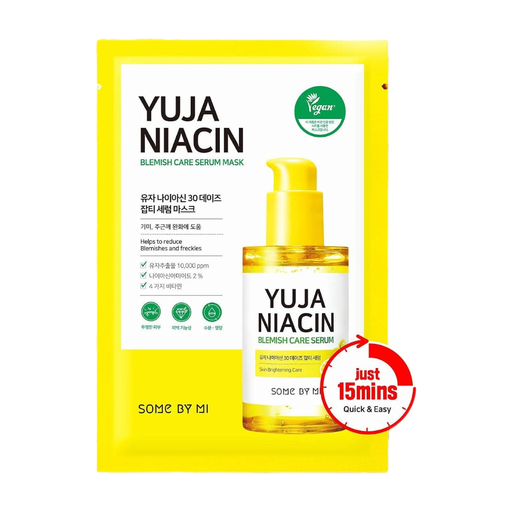
Why it suits this profile: The pack contains 30 individual sheets for a regular routine. The formula includes niacinamide, yuja extract and vitamin C, helping to promote a fresher, more even-looking complexion.
The recommended application time is clear: 10–20 minutes per use. However, check the warnings relating to citrus and vitamin C, and use sun protection.
30 sheets, a vegan formula according to the product information, and niacinamide listed among the first ingredients.
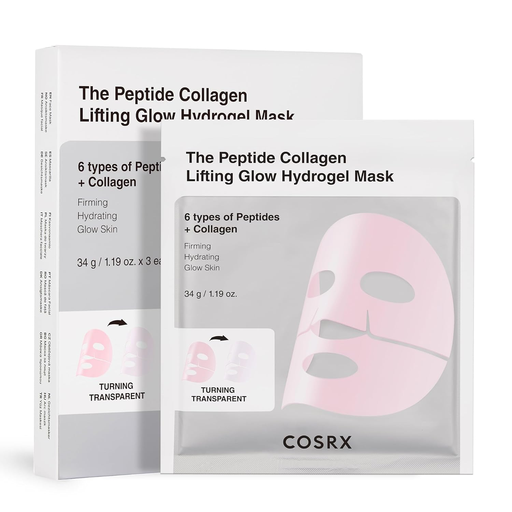
Why it suits this profile: This hydrogel mask combines six peptides with collagen, hyaluronic acid, adenosine and ceramide. It is suitable for anyone looking to combine hydration with skin that feels firmer and looks more radiant.
The product information states a clear wear time of 2–3 hours or until the mask becomes transparent. It is therefore not intended to be used as a standard 15-minute sheet mask.
Hydrogel texture, three masks per pack and ceramides alongside multiple moisture-binding ingredients.
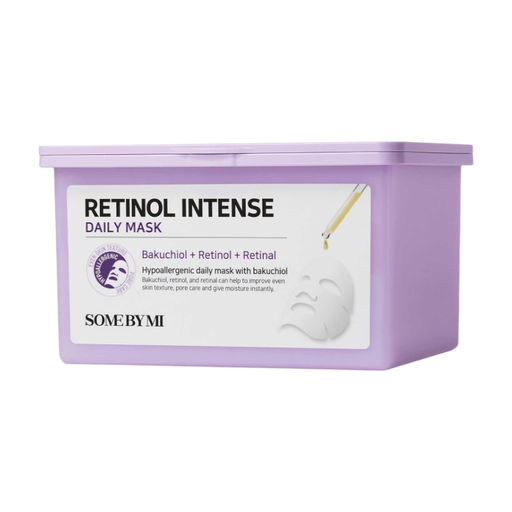
Why it suits this profile: With 30 sheets, this mask is designed for a consistent routine. The formula contains 0.1% retinol, retinal and bakuchiol, alongside niacinamide and several forms of hyaluronic acid.
The retinol warning and sun protection advice are included in the product information. Introduce it gradually and watch out for fragrance allergens.
30 individual masks, retinol and retinal in the formula, and a recommended wear time of 10–20 minutes.
We have put together a complete, up-to-date list of products that fully meet these strict selection criteria and the applicable European safety regulations.
Do not reuse a disposable mask. Keep opened packs tightly closed and store them in a cool, dry place away from direct sunlight. Check the expiry information on the packaging.
This depends on the type of mask and its ingredients. A simple hydrating sheet mask can be used regularly according to the product instructions. Intensive hydrogel masks are often recommended once or twice a week. With retinol, introducing it gradually is more important than using it daily. Always follow the instructions for the specific product.
Some formulas are designed for sensitive skin, but no mask is automatically suitable for everyone. Check for fragrance, essential oils, citrus, retinol and exfoliating acids. Test the product on a small area of skin for 24 hours first. Stop using it if you experience a burning sensation, redness, itching or swelling.
Check the expiry date and batch information on the packaging. Store unopened masks according to the stated conditions. Use an opened individual sachet immediately; a sheet mask is intended for single use. For a tub or larger pack, check that the seal is closed properly to help prevent the product from drying out or becoming contaminated.
