
Vandaag of morgen in huis

Kwaliteit gegarandeerd

Welkomstaanbiedingen ontgrendelen: GRATIS bezorging | Tot 80% korting | Gratis 30 dagen JoyPlus-proefperiode
Download de app
Korean face masks come in many forms, from a simple sheet mask to a hydrogel face mask, overnight mask or eye mask for puffy eyes. With so much choice, finding the right one is not always easy. A shiny package or term such as “glass skin” says little about whether a product is suitable for your skin.
If you want to shop with confidence, it is better to focus on the ingredients list, application time and mask format. This helps you avoid choosing a product that dries out or irritates your skin, or one that ends up unused in the bathroom.
Words such as “anti-ageing”, “firming” and “glow” usually describe a product’s intended purpose, but they are not a guarantee. According to the brand’s own research, for example, 100% of participants in a study involving 20 women reported brighter or firmer-looking skin after using certain masks. Results like these are specific to the brand and do not automatically apply to every user.
So focus mainly on verifiable information, such as the retinol percentage, ingredients including glycerine, niacinamide, ceramides or hyaluronic acid, the number of masks and the recommended application time.
A collagen face mask does not automatically contain a high concentration of collagen. Check the full ingredients list and where the ingredient appears in it. Retinol face masks also require extra care: retinol and retinal can increase sensitivity to sunlight. Use sun protection during the day and follow the warnings on the packaging.
For sensitive skin, fragrance, essential oils or exfoliating acids may be less suitable. A mask for sensitive skin is therefore not just about the product name, but also its formulation.
A sheet mask is usually intended to be left on for around 10 to 20 minutes. A hydrogel face mask can often be left on for longer and may become transparent once the serum has been absorbed. An overnight mask, meanwhile, is designed to be used as the final step of your evening routine.
Leaving a mask on for longer is not always better. A dried-out sheet mask can feel uncomfortably tight and may not suit every skincare routine. Also check whether a product is single-use and how it should be stored after opening.
A jar containing 30 sheet masks is convenient for regular use, while individually wrapped masks are practical for travel and hygiene. A hydrogel mask often fits closely to the skin, but it needs to be positioned properly to prevent it from slipping. An overnight mask is better suited to anyone who wants to spend a little extra time on their evening routine.
Use a mask only on intact skin and avoid contact with the eyes if the packaging advises this. When using retinol, retinal, PHA, vitamin C or fragrance, a patch test is advisable. Apply a small amount to an area such as your wrist or behind your ear and wait 24 hours. Stop using the product if you experience a burning sensation, itching, swelling or a rash.
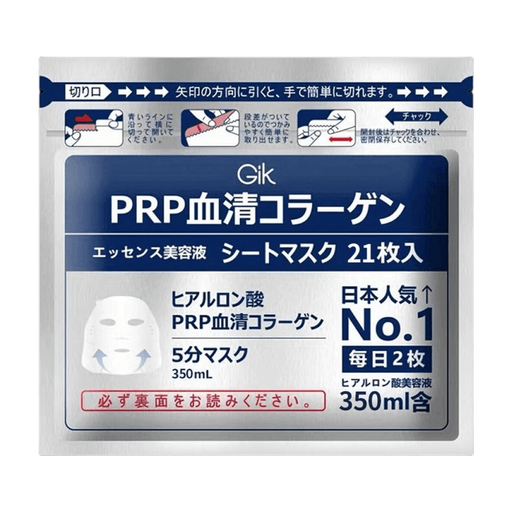
Why it suits this profile: The pack containing 21 masks is suitable for anyone who wants to start using Korean skincare regularly without immediately buying several different formats.
The product information lists the ingredients, a 5-minute application time and a patch test for sensitive skin. This keeps the routine straightforward.
21 individual masks, collagen in the ingredients list and a short application time.
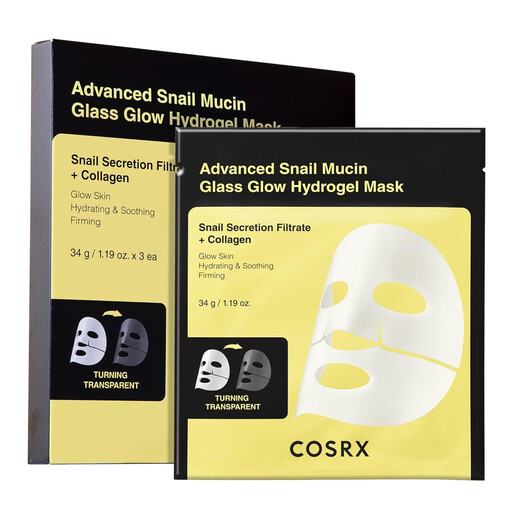
Why it suits this profile: This hydrogel face mask is designed for users looking for a more intensive application and a close-fitting texture.
The instructions specify 2–3 hours or overnight, rather than making an unclear “leave on for a long time” claim. A patch test is recommended.
25% snail secretion filtrate according to the product description, plus niacinamide, ceramide and several forms of hyaluronic acid.
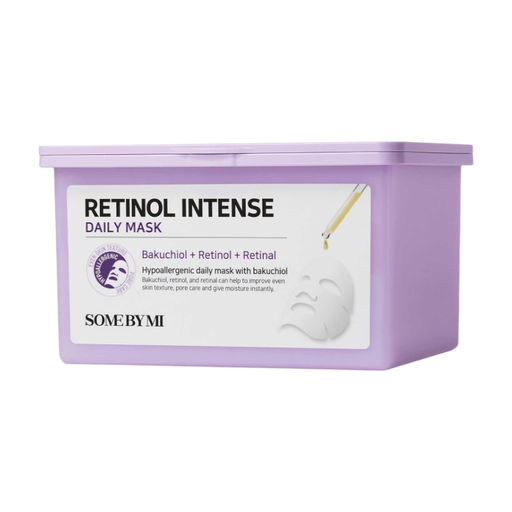
Why it suits this profile: A pack of 30 sheet masks is ideal for users who want to incorporate retinol-focused skincare into a regular routine.
The retinol percentage of 0.1% is stated clearly. The warning about sun sensitivity, sun cream and pregnancy or breastfeeding calls for careful use.
30 individual sheet masks, with retinol, retinal and bakuchiol in the ingredients list; application time 10–20 minutes.

Why it suits this profile: The combination of fermented centella, ceramides and panthenol is well suited to a routine focused mainly on hydration and comfort.
The product description does not specify a complicated application time: apply after cleansing and toner, leave on for 10–20 minutes, then pat in the essence.
Ceramides, 9 peptides and fermented centella according to the product information; suitable for dry, normal, combination and sensitive skin.
We have put together a complete, up-to-date list of products that fully meet these strict selection criteria and the applicable European safety regulations.
That depends on the type of mask and its ingredients. A hydrating sheet mask can be used several times a week according to the product instructions. Retinol masks, PHA masks and intensive overnight masks require more caution. Always follow the brand’s instructions and stop using the product if irritation occurs.
Many hydrogel masks can be left on for 2 to 3 hours or until they become transparent. Some can be worn overnight according to the product information. A standard sheet mask is usually used for 10 to 20 minutes. The packaging should always be your guide.
They can be, but check the ingredients first. Preferably choose a formula containing panthenol, centella, ceramides or allantoin, and take care with retinol, fragrance, essential oils and acids. Test a new mask on a small area of skin first and do not use it on damaged or irritated skin.
