
Vandaag of morgen in huis

Kwaliteit gegarandeerd

Welkomstaanbiedingen ontgrendelen: GRATIS bezorging | Tot 80% korting | Gratis 30 dagen JoyPlus-proefperiode
Download de app
A dull, dehydrated or uneven-looking complexion may be a reason to explore Korean skincare. A K-beauty face mask can be an easy addition to your routine, but not every product suits every skin type or situation. Your choice should primarily depend on the ingredients, wear time, number of masks and any potential sensitivities.
Terms such as “whitening”, “glass skin” and “anti-aging” sound appealing, but they do not always describe a measurable or long-lasting effect. Check the complete ingredient list and review specific product details, such as the number of masks, the contents per mask and the recommended application time.
Based on a brand’s own research or clinical testing, users may report that their skin looks smoother or more radiant, for example. This is not a guarantee for every skin type. Treat such information as supplementary product details, not as a definitive result.
A vitamin C mask, retinol mask, acid or citrus extract may be appealing for dull-looking skin, but some formulas can make the skin more sensitive. Pay particular attention to warnings when using retinol, retinal, vitamin C, salicylic acid or citrus oils, and apply sunscreen during the day.
A patch test is advisable, especially if you have sensitive skin. Do not use a new mask on damaged, irritated or inflamed skin.
A pack containing 30 sheets may appear cost-effective, but a daily mask is not automatically suitable for daily use. Check:
A sheet mask is usually worn for 5 to 20 minutes. According to some brands’ product descriptions, a hydrogel face mask can be worn for 2 to 3 hours or even overnight. Always follow the label for the specific product.
For added hydration, glycerin, hyaluronic acid, panthenol, ceramides and betaine are common ingredients. If you are mainly looking for a more even-looking complexion, consider niacinamide, arbutin, vitamin C derivatives or rice extract.
A quick hydrating face mask with a 5-minute application time is practical for a busy morning. A mask worn for 10 to 20 minutes is better suited to a weekly evening routine. Hydrogel formulas require more time and are less convenient when you want a quick skincare step.
Daily use is appropriate only when supported by the product description and when your skin tolerates the formula well. With a retinol mask or a mask containing exfoliating acids, gradually introducing it is the cautious approach.
Do not compare price alone—also consider the cost per mask. A pack of 30 sheets may be suitable for regular use, while a set of 3 hydrogel masks is more likely intended for a more intensive treatment. Check the expiry date, batch information and storage instructions on the packaging. An opened jar or resealable pack should be closed securely to prevent the product from drying out.
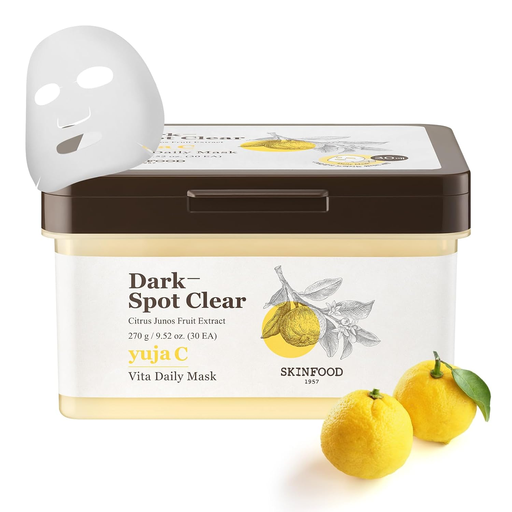
Why This Fits Their Persona: A pack of 30 sheets with a recommended wear time of 5 minutes is a convenient choice for anyone looking to make an accessible start with Korean skincare.
The application time and number of sheets are clearly stated. There is no need to plan an extended hydrogel treatment for a quick skincare step.
30 sheets, 100% cellulose and yuja extract with vitamin C, according to the product description.
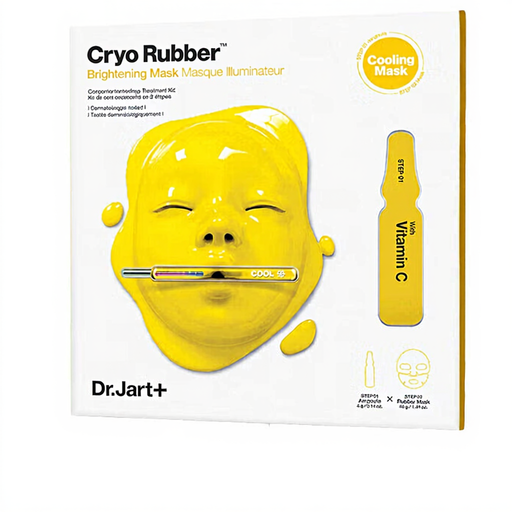
Why This Fits Their Persona: Ideal for anyone seeking a more elaborate skincare ritual with an ampoule and a separate rubber mask.
This is clearly a two-step product; the additional application step and the 20–30-minute wear time are apparent in advance.
Ampoule with niacinamide and 3-O-ethyl ascorbic acid; paraben-free according to the product information.
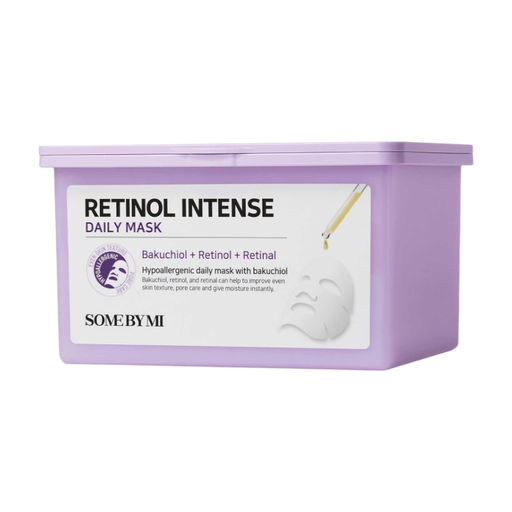
Why This Fits Their Persona: A pack of 30 sheets suits an established routine for anyone looking to incorporate retinol carefully.
The retinol concentration of 0.1% is stated clearly. Introduce it gradually and do not immediately combine it with several exfoliating products.
Contains retinol, retinal, bakuchiol, niacinamide and several forms of hyaluronic acid.
Explore a current selection of brightening face masks and compare ingredients, formats and usage instructions.
Never reuse a sheet mask. If you experience burning, itching, swelling or persistent redness, stop using it immediately. During pregnancy or breastfeeding, it is advisable to seek medical advice before using retinol or retinal.
It depends on the formula. According to the packaging, a simple hydrating sheet mask may be used regularly. A mask containing retinol, retinal, vitamin C or exfoliating acids requires greater caution. For example, start once or twice a week and observe how your skin responds.
A collagen mask can temporarily make the skin look plumper and smoother through hydration. This does not mean it permanently removes wrinkles. According to some brands’ own research, participants report a firmer or more elastic-looking complexion; always check how the research was conducted and interpret the claim as product information.
Choose a formula containing glycerin, hyaluronic acid, panthenol, ceramides or betaine. For a more radiant appearance, you can also look for niacinamide, rice extract, yuja or a vitamin C derivative. If you have sensitive skin, start with a fragrance-free formula with a short wear time and perform a patch test.
