
Vandaag of morgen in huis

Kwaliteit gegarandeerd

Welkomstaanbiedingen ontgrendelen: GRATIS bezorging | Tot 80% korting | Gratis 30 dagen JoyPlus-proefperiode
Download de app
The world of K-beauty can be overwhelming. Everywhere you look, there are jars and pouches promising flawless, radiant skin. But how do you know which Korean face masks live up to their promises and which are best left on the shelf? Many products look alike, and marketing jargon only adds to the confusion. Before you make your next skincare investment, it helps to recognise a few common pitfalls.
sheet mask is ideal for a quick boost, while a sleeping mask is designed for deep overnight repair. Choosing the wrong type for your needs often leads to disappointing results.By understanding these points, you can make more informed choices and avoid spending money on a product that isn't right for you.
Not all Korean face masks are created equal. The type of mask determines the user experience and the final result. The three most common types are:
The power of K-beauty lies in its focus on effective ingredients. Instead of falling for vague promises, it's better to look at what's actually inside the product.
face mask for sensitive skin.hydrating face mask.By focusing on these key ingredients, you can choose a mask that actually addresses the skin concern you want to solve.
Based on product specifications and intended function, we have selected several popular choices that cater to different needs.
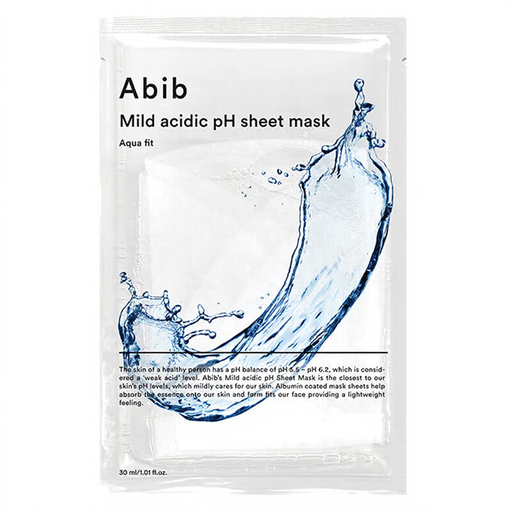
Why This Fits Their Persona: For those with a busy schedule who need a reliable, quick hydration boost. This set of 10 sheet masks is practical for regular use and delivers an instant dose of moisture, hassle-free.
This mask isn't an 'all-in-one' product. It focuses on one clear task: hydrating and supporting the skin's pH balance. The specifications are clear and aimed at a tangible result.
The formula has a mildly acidic pH that supports the natural skin barrier. The 10-pack makes it a cost-effective choice for a consistent routine.
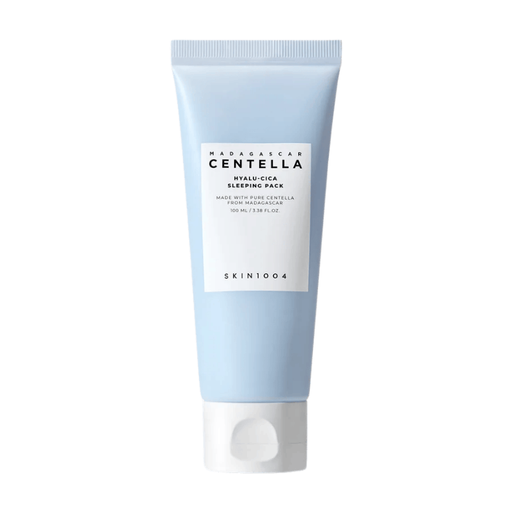
Why This Fits Their Persona: Ideal for those who want to optimise their skincare while they sleep. This sleeping mask is designed to work overnight, when the skin is in its natural recovery mode.
This product is specifically a sleeping mask. It's not a day cream or a quick sheet mask, but a targeted overnight treatment. The name 'Hyalu-Cica' directly points to its two main ingredients and their function.
The lightweight gel texture absorbs well without leaving a sticky residue. The combination of hyaluronic acid and Centella Asiatica offers both deep hydration and soothing.
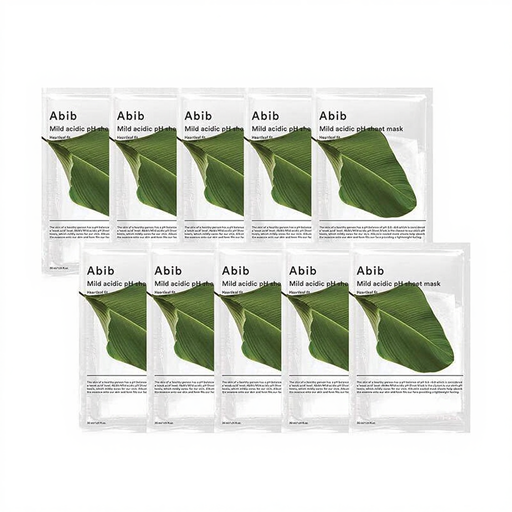
Why This Fits Their Persona: Suitable for those with skin that is quick to react, turn red, or become irritated. This mask is formulated to calm and soothe the skin without harsh ingredients.
Instead of a vague "for sensitive skin" claim, this product names its key ingredient: Houttuynia Cordata (Heartleaf) extract. This ingredient is known for its calming effect, which is a specific and verifiable benefit.
The formula is dermatologically tested and has a mild, acidic pH to respect the skin's barrier. The 'Heartleaf Fit' mask is specifically designed to soothe stressed and dry skin.
We have compiled a complete, up-to-date list of products that fully meet these selection criteria and current guidelines.
How often should I use a Korean face mask? This depends on the mask type and your skin. A hydrating sheet mask can be used 2-3 times a week. A sleeping mask can replace a regular night cream once or twice a week, especially if your skin is extra dry. Exfoliating or clay masks are best limited to once a week to prevent irritation.
Can I reuse a sheet mask or save the essence? No, a sheet mask is designed for single use only. Once opened, the mask can come into contact with bacteria, making reuse unhygienic. However, you can apply the excess essence from the packaging to your neck, décolletage, or arms immediately after removing the mask.
What is the difference between a cica mask and a hyaluronic acid mask? Both are popular but have different primary goals. A hyaluronic acid mask is mainly focused on replenishing moisture and 'plumping' the skin; it's a hydrating face mask. A cica mask is a soothing mask that focuses on reducing redness and irritation and supporting skin repair, making it ideal for a face mask for sensitive skin.
