
Vandaag of morgen in huis

Kwaliteit gegarandeerd

Welkomstaanbiedingen ontgrendelen: GRATIS bezorging | Tot 80% korting | Gratis 30 dagen JoyPlus-proefperiode
Download de app
A face mask can be a simple addition to your skincare routine. Even so, it is not advisable to rely solely on words such as “glow”, “firming” or “intensive hydration”. The formula, format and ingredients determine whether a mask is practical for your routine.
This is particularly true of K-beauty skincare. A Korean face mask may be a sheet mask, gel mask or overnight mask. Each type has a different application and needs to be assessed in a different way.
Terms such as anti-ageing, collagen and brightening face mask often describe a product’s intended purpose, but do not automatically indicate how your skin will respond. Based on a brand’s own research, certain percentages or visible results may be quoted; these outcomes will not be the same for every user.
That is why you should first check the full ingredients list, the application time and the skin types the product is intended for according to the product information.
A sheet mask is convenient for a one-off treatment lasting around 10 to 20 minutes. A sleeping mask or overnight mask stays on for longer and is usually applied as the final step of your evening routine. A rich formula can feel pleasant on dry skin, but may be less practical if you prefer a lightweight texture or a non-sticky finish.
Even a face mask for sensitive skin may contain ingredients that are not suitable for everyone. These may include fragrance, essential oils, limonene, tea tree oil, acids or retinol. Always check the current packaging, as ingredients lists can change. If in doubt, test a small amount on a limited area of skin first and stop using it if irritation occurs.
Check whether the mask is intended for single use. A pot or tube often contains several applications, whereas a sheet mask is thrown away after use.
For a hydrating face mask, you will often see glycerine, hyaluronic acid, panthenol, betaine or ceramides. A hyaluronic acid mask can help your skin feel more comfortable and supple, but the result also depends on the rest of your routine and environmental conditions.
A soothing face mask may contain ingredients such as centella asiatica, allantoin or panthenol. For dry or sensitive skin, a short ingredients list without fragrance can sometimes be a practical choice.
Brightening face masks may contain niacinamide, vitamin C derivatives, tranexamic acid or kojic acid. When using active ingredients, it is important to introduce them gradually. Use sun protection during the day when advised in the product information.
A collagen mask can temporarily make the skin feel smoother or plumper. This is different from a proven, long-term change to the skin’s structure. Focus your assessment on the texture, hydration and overall experience of using the product.
A box of five sheet masks may seem good value, but compare the price per mask with that of a 60 or 100 ml tube. Also check the recommended frequency of use. A product used two to three times a week will run out faster than a mask applied once a week.
Also pay attention to:
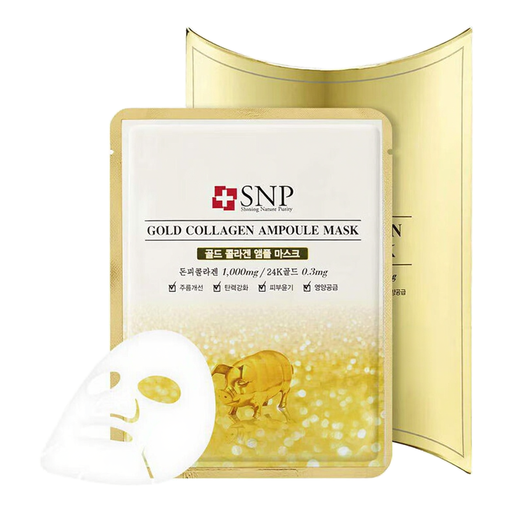
Why it suits this profile: This individual sheet mask is a straightforward option for anyone who wants to try a Korean formula without buying a large pack straight away.
The 10–20-minute application time and use after cleansing and toning are clearly explained. The formula contains fragrance and ethanol, which is relevant information for sensitive skin.
According to the product information, it contains 1000 mg of hydrolysed collagen and is suitable for all skin types according to the listed specifications.
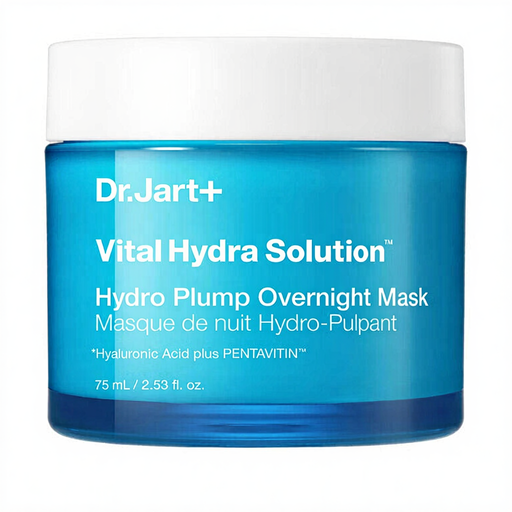
Why it suits this profile: The no-rinse gel texture is designed for overnight use and suits anyone who wants a consistent evening routine with a fast-absorbing mask.
The instructions make it clear that the product is left on as the final step. According to the clinical tests mentioned in the product information, hydration was measured; individual results may vary.
75 ml capacity, hyaluronic acid in the formula and, according to the product description, fragrance-free and suitable for sensitive skin.
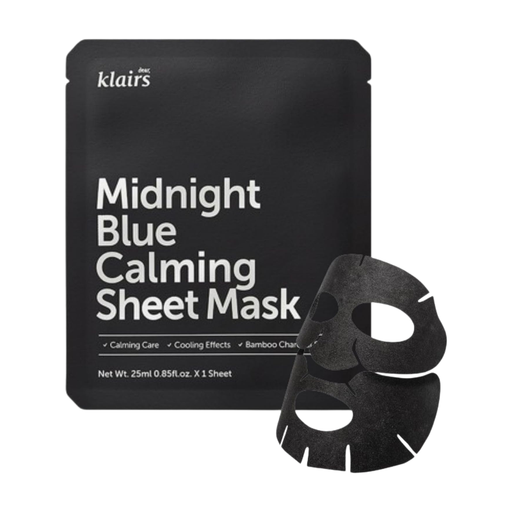
Why it suits this profile: This sheet mask takes just 15–20 minutes and, according to the product information, is vegan, cruelty-free and free from artificial colourants.
The ingredients list is visible and includes tea tree oil and limonene, among other ingredients. If you react to these, it may be better to choose a different soothing face mask.
One pack contains 10 sheets of 25 ml; the formula lists glycerine, erythritol and centella asiatica, among other ingredients.
Cleanse your face before applying a sheet mask or gel mask. You can then gently pat in any essence. Do not leave a sheet mask on for longer than stated on the packaging: once the sheet dries out, that does not automatically make it more effective.
A sleeping mask is usually used as the final step of your evening routine. Apply a thin, even layer and avoid the eye area. Wash the product off in the morning if the instructions say to do so. Do not combine several new active products at the same time; this makes it easier to identify any reaction.
We have put together a complete, up-to-date list of products that fully meet these strict selection criteria and the applicable European safety regulations.
That depends on the type and formula. A sheet mask is often used from once to several times a week according to the product instructions. An overnight mask can also be applied several times a week. With an active formula, it is best to start with a lower frequency.
It can be, but check for fragrance, essential oils, acids and other potential irritants. Even a product described by the manufacturer as suitable for sensitive skin may feel different from person to person. A patch test remains a sensible precaution.
A sheet mask is usually left on for 10–20 minutes and then removed. A sleeping mask is applied as the final step of your evening routine and left on for longer, sometimes overnight. The packaging will tell you whether the mask needs to be rinsed off the following morning.
