
Vandaag of morgen in huis

Kwaliteit gegarandeerd

Welkomstaanbiedingen ontgrendelen: GRATIS bezorging | Tot 80% korting | Gratis 30 dagen JoyPlus-proefperiode
Download de app
A Korean face mask can be a simple addition to your routine, but the choice is vast. Whether you’re after hydration, a fresher complexion, pore care, or help with an uneven skin tone, it’s important to look beyond words like “glow”, “detox” or “glass skin”.
The three most common purchasing pitfalls:
A sheet mask is a damp sheet that usually stays on the face for 10 to 20 minutes. This suits a quick routine, for example after cleansing and before bed. Some hydrogel masks stay on longer and turn transparent; always check the instructions for that.
A clay mask often contains kaolin, bentonite or other clays. That texture can help absorb excess sebum, but a clay mask for blemishes isn’t automatically suitable for daily use. Pore-cleansing products are typically used once or a few times a week.
Don’t just focus on one standout ingredient. For a hydrating face mask, you’ll find ingredients like glycerine, panthenol, hyaluronic acid and ceramides in various formulas. If you have sensitive skin, you can also check for perfume, essential oils and exfoliating acids.
With a brightening face mask, niacinamide, vitamin C, arbutin or glutathione may appear on the ingredients list. The label “mask for dark spots” should be seen as product positioning, not a medical promise. According to a brand’s own research, results may be mentioned, but such claims don’t automatically apply to every user.
Leaving a mask on for too long isn’t necessarily more effective. Follow the packaging, especially with formulas containing retinol, retinal, AHA, BHA, PHA or vitamin C. These ingredients can make the skin more sensitive to sunlight or cause irritation.
When trying a new product, first do a patch test on a small area of skin. Stop using it if you feel a burning sensation, itching, swelling or noticeable redness. Do not use a product on damaged or irritated skin. With retinol products, it’s wise to use sun protection during the day and to consult a healthcare professional if you are pregnant or breastfeeding.
The selection below is based on verifiable product information, such as ingredients, volume, usage time and mask type. The descriptions are not a guarantee of personal skin results.
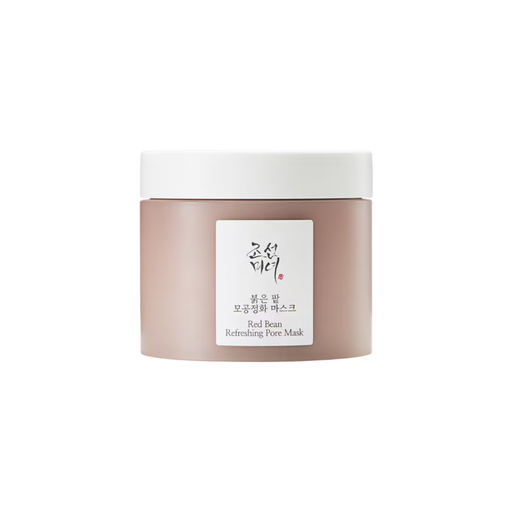
Why this fits the profile: This wash-off pore mask is straightforward to use and has a volume of 140 ml. Kaolin and red bean powder are highlighted in the product information for cleansing and gentle exfoliation.
The usage time of 5 to 10 minutes is clearly described. So you don’t have to guess how long the mask should stay on.
Wash-off clay mask; kaolin and red bean extract; suitable for all skin types according to the product details.
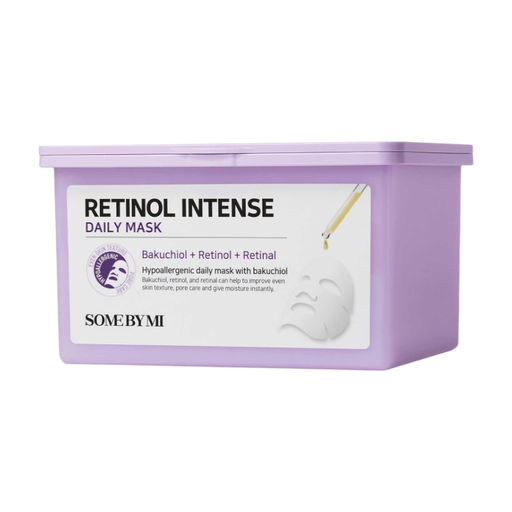
Why this fits the profile: The pot contains 30 sheet masks and is aimed at users who want to follow a fixed daily schedule. The formula includes retinol, retinal and bakuchiol.
The retinol concentration of 0.1% and the warning about sun sensitivity are stated. Build up usage gradually rather than starting daily straight away.
30 pieces; sheet mask for 10 to 20 minutes; retinol, retinal, bakuchiol and multiple forms of hyaluronic acid in the ingredients list.
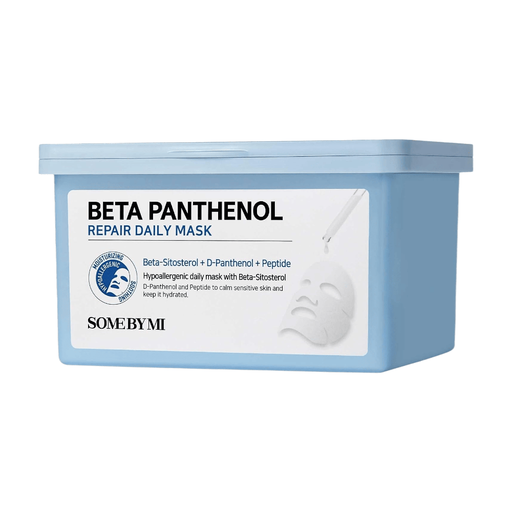
Why this fits the profile: According to the product information, this daily sheet mask contains panthenol, glycerine, niacinamide, allantoin, hyaluronic acid and ceramide NP, among other ingredients.
The product information mentions no retinol and gives a clear wear time of 10 to 20 minutes. Always check the current packaging, though.
30 sheet masks; panthenol stated at 10,500 ppm; suitable for all skin types, including sensitive skin, according to the product information.
We’ve put together a full, up-to-date list of products that fully meet these strict selection criteria and comply with current European safety regulations.
That depends on the type. A hydrating sheet mask is often used once or several times a week according to the product instructions. A clay mask or pore-cleansing mask is usually used less often. With retinol and exfoliating acids, building up gradually is important.
Look for a short, clear ingredients list and watch out for perfume, essential oils, retinol and acids. A formula with, for example, panthenol, glycerine or hyaluronic acid can be appealing, but always check the full ingredients list and do a patch test first.
A brightening face mask can contain ingredients such as niacinamide, arbutin, vitamin C or glutathione. The effect varies from person to person, and a cosmetic mask does not replace medical advice. Consistent sun protection remains important when you’re working on a more even skin tone.
