
Vandaag of morgen in huis

Kwaliteit gegarandeerd

Welkomstaanbiedingen ontgrendelen: GRATIS bezorging | Tot 80% korting | Gratis 30 dagen JoyPlus-proefperiode
Download de app
A face mask can be a practical addition to your skincare routine, especially when your skin feels dry, tight or tired. However, it’s best not to judge a product by words such as “intensive”, “glow” or “collagen” alone. The texture, ingredients, wear time and fit are just as important in determining whether a mask feels comfortable and suits your skin.
A hydrating face mask with lots of ingredients isn’t automatically right for your skin. Pay particular attention to the first ingredients on the packaging, and look out for potential concerns such as fragrance, essential oils or certain plant extracts. If you have sensitive skin, choose a formula with a straightforward ingredients list where possible, and test the product on a small area of skin first.
A collagen mask may contain collagen extract or hydrolysed collagen. These are identifiable ingredients, but they don’t make medical or permanent claims. In practice, a mask like this may mainly provide hydration and leave your skin feeling comfortable. A hyaluronic acid mask is also generally designed to moisturise the surface of the skin.
A sheet mask doesn’t necessarily work better if you leave it on for longer. A thin sheet mask can dry out if it’s left on for too long. Hydrogel masks often have a different recommended wear time: some can be left on for several hours, until the material becomes more transparent. Always follow the instructions on the packaging.
If you’re looking for a Korean face mask, you’ll often come across sheet masks, hydrogel masks and ampoule masks. A Japanese face mask is also often available as a thin sheet mask with a short wear time. Don’t just look at the country of origin: pay particular attention to the size, ingredients and instructions for use.
Common ingredients for dehydrated skin include glycerin, hyaluronic acid, panthenol and betaine. Ceramides and cholesterol are found in formulas described as helping to keep skin feeling comfortable and support the skin barrier.
A soothing face mask often contains allantoin, centella asiatica or panthenol. These ingredients may feel comfortable on the skin, but always check the full ingredients list if your skin is sensitive. Product results based on a brand’s own research or claims shouldn’t be treated as guaranteed.
A pack of ten individual masks is handy for regular use, while a set of three or four hydrogel masks may be better suited to a weekly routine. Also check:
A good fit matters. If a mask comes loose around your eyes, nose or jaw, it won’t distribute the essence as evenly and may feel less comfortable.
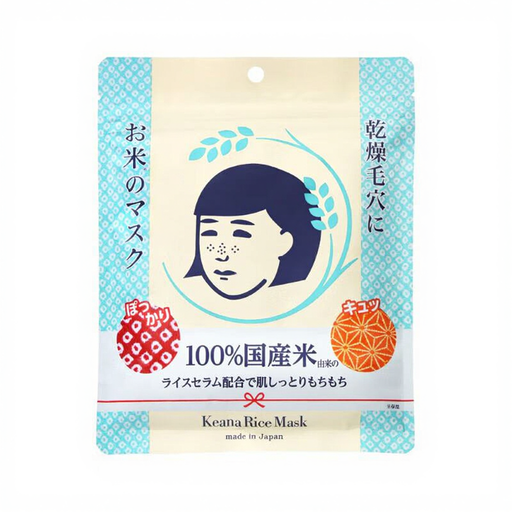
Why it suits this profile: The pack contains ten masks, making it a practical choice if you’d like to start using a simple sheet mask regularly.
The recommended wear time is around five minutes, making it easier to avoid leaving the mask on for longer than necessary.
10 individual sheets; according to the product description, they contain rice bran extract and a hydrating essence.
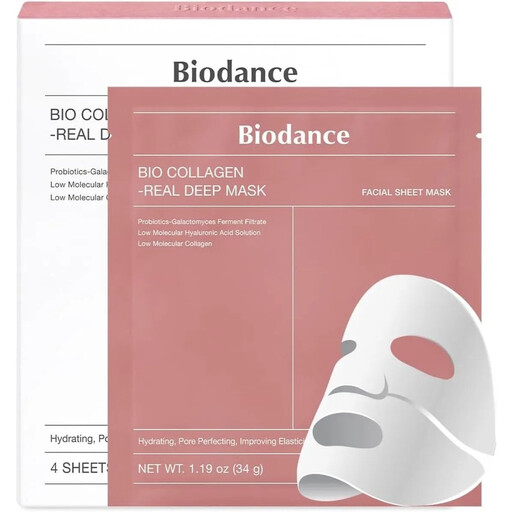
Why it suits this profile: The hydrogel texture and longer wear time make this a good choice for a more indulgent skincare moment, such as at the weekend.
The instructions recommend wearing it for three to four hours or overnight. This makes the wear time clearer than it is for a standard sheet mask.
4 masks of 34 grams; according to the ingredients list, they contain collagen extract, hyaluronic acid and adenosine, among other ingredients.
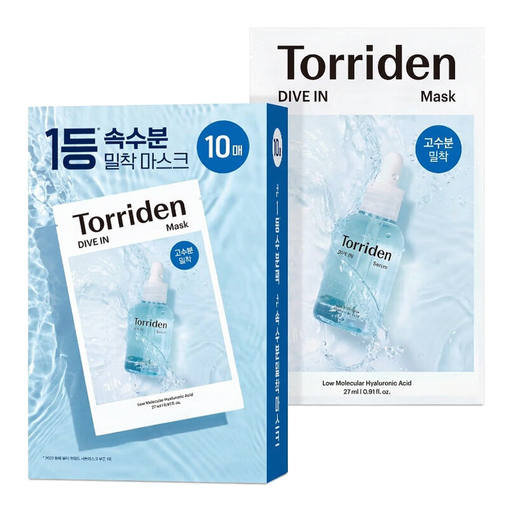
Why it suits this profile: A set of ten is handy if you plan to use a face mask once a week or several times a month.
The product information describes a soft sheet and an ampoule essence. If your skin is quick to react, be sure to check the full ingredients list yourself.
10 sheets; according to the product information, they contain low-molecular-weight hyaluronic acid, panthenol and allantoin.
We’ve put together a complete, up-to-date list of products that meet these strict selection criteria and current European safety regulations.
Don’t use a face mask on damaged or irritated skin. If you have sensitive skin, it’s a good idea to do a patch test. Avoid contact with your eyes and store unopened masks as directed on the packaging.
That depends on the product. Many sheet masks are intended for use once or twice a week, while some packaging recommends daily use. Check the instructions and pay attention to how your skin reacts. You usually don’t need to use a rich hydrogel mask alongside several other intensive products.
Often, it’s 10 to 20 minutes, but this varies by formula. According to the product information, a hydrogel mask can be worn for several hours. Remove a standard sheet mask when it starts to dry, and follow the recommended wear time for each product.
Look for hydrating ingredients such as glycerin, hyaluronic acid, panthenol and betaine. If you’re choosing a face mask for sensitive skin, it’s also important to check for fragrance and potential allergens. Try a single mask first to see how your skin responds to the formula before buying a multipack.
