
Vandaag of morgen in huis

Kwaliteit gegarandeerd

Welkomstaanbiedingen ontgrendelen: GRATIS bezorging | Tot 80% korting | Gratis 30 dagen JoyPlus-proefperiode
Download de app
Buying a Korean face cream seems simple until you have to choose between a gel, rich cream, skin barrier moisturiser or a formula with several active ingredients. Marketing terms such as “intensive hydration”, “glow” and “calming” say little on their own about how well a product will suit your skin.
The main pitfalls are usually:
A K-beauty face cream is therefore mainly a matter of comparison: your skin type, preferred texture, ingredients and time of use all need to work together.
For a face cream for dry skin, richer formulas containing shea butter, jojoba oil, squalane or ceramides are often practical. They generally feel more substantial and are suitable as the final step in an evening routine.
An face cream for oily skin or combination skin will usually benefit more from a gel cream. It absorbs quickly and, according to the product description, is less likely to leave a greasy feeling. Do bear in mind that “light” does not automatically mean the formula will provide enough comfort for dry skin.
For a face cream for sensitive skin, it is sensible to check fragrance, essential oils and known allergens particularly carefully. Test a new product on a small area of skin first. Stop if you experience a burning sensation, itching, swelling or persistent redness, and seek medical advice if necessary.
Compare the contents: the products mentioned range, for example, from 30 grams to 100 ml. A 50 ml jar may seem more expensive, but using a small amount each time can partly offset the difference. Also check whether the product comes in a pump bottle, tube or jar. A pump or tube generally limits direct contact with the contents.
Cosmetics sold on the European market should include an ingredients list using INCI names, along with information about the responsible market operator, contents and shelf life. When buying online, always check the current packaging. If you have a known allergy, you should review the complete ingredients list.

Why it suits this profile: The gel texture is easy to incorporate into a short morning or evening routine and, according to the product information, is intended to provide lightweight hydration for oily and combination skin, among others.
The lightweight gel helps avoid the pitfall of using an overly rich cream on oilier skin. Do check that the chosen texture provides enough comfort during winter.
100 ml, gel cream, 44% Haenam red bean extract according to the product information, and a peptide complex.

Why it suits this profile: This Korean moisturiser combines a gel-cream texture with several hydrating ingredients and oils, making it an interesting option for normal, dry or mature skin.
The product information specifies the texture and ingredients rather than making only a general glow promise. Check the current INCI list if you have allergies.
Five types of hyaluronic acid according to the description, plus ceramide NP, panthenol, beta-glucan and 100 ml contents.
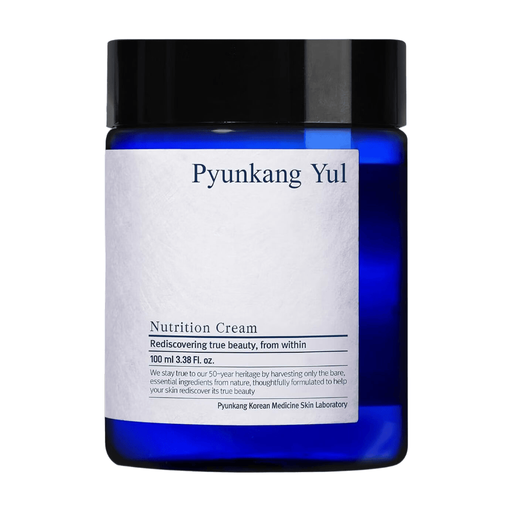
Why it suits this profile: According to the product description, the richer formula is intended for dry, demanding or mature skin and can be used as the final step in your routine.
The product information explicitly mentions the rich texture and ingredients, allowing you to compare this choice with your preference for a lightweight gel.
100 ml, shea butter, jojoba oil, sodium hyaluronate and a fragrance-free formula according to the product information.

Why it suits this profile: The ingredients list focuses on ceramides, cholesterol, panthenol, squalane and several forms of hyaluronic acid.
This choice is based on verifiable ingredients rather than just a general claim about repair or comfort.
80 ml, multiple ceramides, cholesterol, phytosphingosine and hyaluronic acid according to the supplied ingredients list.
We have put together a complete, up-to-date list of products that fully meet these strict selection criteria and the applicable European safety regulations.
Apply the cream after cleansing and, if applicable, after toner, serum or ampoule. Start with a small amount; using more product does not automatically mean more hydration. A gel cream can feel comfortable in the morning, while a richer skin barrier cream may be better suited to your evening routine.
During the day, use a sun protection product that fits your routine, particularly when you are also using active ingredients. When trying a new formula, a patch test is advisable. Brand claims such as “soothing”, “non-comedogenic” or “24-hour hydration” should be read as information provided by the brand. According to a brand’s own research or tests, such results may have been obtained under specific conditions and will not be the same for every user.
A lightweight gel cream is usually a good choice, but pay attention to the complete INCI list. According to the product information, Beauty of Joseon Red Bean Hydrating Gel Cream is marketed for oily skin and has a lightweight texture. Always test how your skin reacts to it.
This varies from product to product. Check the expiry date and the open-jar symbol on the packaging. According to the product information, Isntree states that the product should be used within six months of opening. Store creams somewhere cool and dry, away from direct sunlight.
It can be, but do not rely on the product name alone. Check for fragrance, essential oils and potential allergens. According to the ingredients list, Dear, Klairs Rich Moist Soothing Cream contains several essential oils, while the Midnight Blue Calming Cream is fragrance-free according to the product information. A patch test is still advisable.
