
Vandaag of morgen in huis

Kwaliteit gegarandeerd

Welkomstaanbiedingen ontgrendelen: GRATIS bezorging | Tot 80% korting | Gratis 30 dagen JoyPlus-proefperiode
Download de app
A Korean face cream can be a practical addition to your daily routine, but the wide range of options does not always make choosing easy. Glossy packaging, terms such as “lifting” and a long ingredients list do not, on their own, say much about whether a cream will work well for your skin.
Pay particular attention to the formula, when to use it and how well the brand supports its claims. This can help you avoid buying an expensive moisturiser that feels too heavy, is too active or simply does not provide enough nourishment.
A product containing lots of plant extracts, peptides or vitamins is not automatically suitable for every skin type. Start by looking at the ingredients at the top of the list. Glycerine, hyaluronic acid and panthenol are often used for hydration. Ceramides, cholesterol and fatty acids are suitable for a barrier-repairing cream. With a retinol cream, the concentration and usage instructions are particularly important.
Terms such as “firming”, “lifting” and “face cream for wrinkles” often describe a product’s intended purpose, but they do not guarantee visible results. According to information provided by some brands, ingredients such as retinol, peptides or adenosine may help skin look smoother. This is different from a medical effect or a guaranteed reduction in wrinkles.
A cream for sensitive skin is not automatically suitable for everyone. Check for perfume, essential oils, retinol and exfoliating acids. A rich texture can feel pleasant on dry skin, but may feel heavy on acne-prone or combination skin. If in doubt, first test a small amount on a limited area of skin and always follow the instructions on the label.
Use your skin type as a starting point, not your only criterion:
According to the product information, The Retinol 0.1 Cream contains 0.1% retinol. The recommended approach is to start slowly, for example by using it a few evenings a week, and gradually increase use depending on how well your skin tolerates it. Use sun protection during the day and do not combine retinol casually with several strong acids or other intensive products.
With a Korean moisturiser without retinol, the focus is usually on retaining moisture and providing comfort. This may be more suitable when you want to keep your routine simple.
Contents can vary considerably. A 50 ml jar and an 80 to 100 ml tube or pump bottle cannot be compared directly on price alone. Divide the price by the number of millilitres or grams, and consider how easy the product is to use.
A jar should be used hygienically with clean hands or a spatula. A pump bottle limits contact with the contents. Also check the expiry date and the period after opening shown on the packaging. Texture is important too: a gel cream feels lighter, while a creamy formula can offer greater comfort for dry skin.
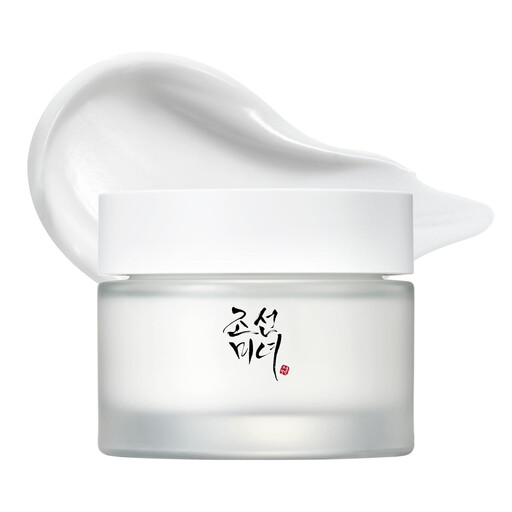
Why it suits this profile: This Korean face cream combines a creamy texture with ingredients often chosen for daily hydration, such as glycerine, niacinamide, panthenol and sodium hyaluronate.
The product information states that it has a fragrance-free formula and contains 50 ml. Always check the current packaging and ingredients list.
Niacinamide, panthenol and hyaluronic acid; creamy formula; suitable for morning and evening use according to the product information.

Why it suits this profile: The formula focuses on moisture and skin barrier care, with multiple ceramides, cholesterol, squalane, panthenol and hyaluronic acid.
The choice is based on verifiable ingredients rather than just an anti-ageing claim. The product information also states that it is hypoallergenic and non-comedogenic, and has been clinically tested.
80 ml contents; ceramides NP, NS, AP, AS and EOP; use in the morning and evening according to the label.
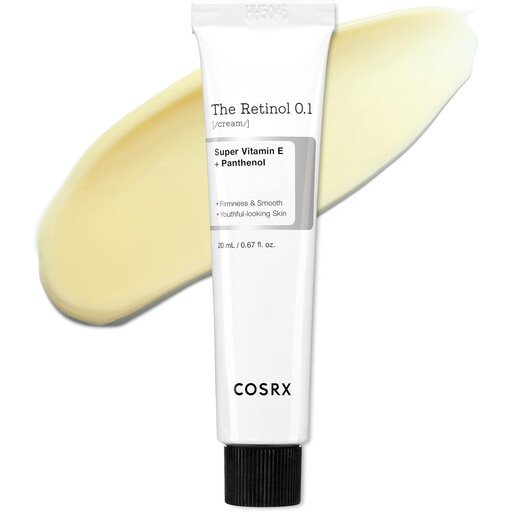
Why it suits this profile: This retinol cream is intended for users who want to add vitamin A to their routine in a targeted way and are prepared to build up use gradually.
The product information states a concentration of 0.1% retinol and recommends starting with three evenings a week. Stop if irritation occurs and use sun protection during the day.
0.1% retinol; panthenol in the formula; compact 20 ml size for targeted use.
We have put together a complete, up-to-date list of products that fully meet these strict selection criteria and the applicable European safety regulations.
Apply the cream after cleansing and, if applicable, after toner, serum or essence. During the day, use a sun protection product with an appropriate level of protection. Start with a small amount; a thin layer is often sufficient. It is best to use a retinol cream according to the specific gradual introduction schedule on the label.
The shelf life is stated on the packaging. Also check the open-jar symbol showing the period after opening, for example 12 months. Store the jar or bottle in a cool, dry place away from direct sunlight. Has the smell, colour or texture changed? Do not continue using the product and check the manufacturer’s instructions.
Look for a fragrance-free formula containing panthenol, ceramides, glycerine or centella asiatica. Be cautious with retinol, acids and essential oils. Products such as a ceramide cream or barrier-repairing cream often align better in terms of ingredients with a routine focused on comfort and moisture retention. Always check the full ingredients list and stop using the product if irritation persists.
