
Vandaag of morgen in huis

Kwaliteit gegarandeerd

Welkomstaanbiedingen ontgrendelen: GRATIS bezorging | Tot 80% korting | Gratis 30 dagen JoyPlus-proefperiode
Download de app
A Korean face cream can be a valuable step in your daily routine, but the wide range of options can make choosing difficult. Are you looking for a lightweight gel cream for oily skin, a rich cream for dry skin or a ceramide formula for sensitive skin? Packaging often promises hydration, soothing benefits and a more even complexion, but not every texture or combination of ingredients will suit your skin.
That is why it is important to focus on verifiable product information. A well-known brand name or striking claim tells you less than the ingredients list, size, texture and directions for use.
Hyaluronic acid helps retain moisture in a cosmetic formula, but a cream containing hyaluronic acid is not necessarily rich or nourishing. A hyaluronic acid cream can actually feel lightweight and work well for normal, combination or dehydrated skin. For dry skin, additional ingredients such as shea butter, squalane, oils or ceramides are worth considering.
Niacinamide, centella and tranexamic acid are also often prominently displayed. Do not just look at the name on the front of the packaging. Check that the ingredient actually appears in the ingredients list and roughly where it appears.
A cream may be described as suitable for all skin types, yet still feel too rich for oily skin or not comfortable enough for dry skin. A gel cream such as the Beauty of Joseon Red Bean Hydrating Gel Cream is described in the product information as providing lightweight hydration with a less greasy feel. A formula containing shea butter, beeswax and plant oils will generally feel richer.
Brands may communicate their own product research and cosmetic claims, but these should not be presented as guaranteed results. According to iUNIK’s own research, for example, Centella Calming Gel Cream helps soothe visible irritation and reduce excess sebum. This is brand information, not a personal guarantee.
When comparing a face cream for pigmentation, ingredients such as niacinamide, tranexamic acid or vitamin C may be worth considering. Also use sunscreen during the day. A cosmetic cream is not a substitute for a dermatological assessment if skin problems persist or change.
A ceramide face cream may be worth considering if you are mainly looking for a comfortable, cared-for skin feel. Ceramides are found, among others, in The Ceramide Skin Barrier Moisturizer, SKIN1004 Probio-Cica Enrich Cream and Torriden DIVE-IN Moisturizing Cream.
Glycerine and various forms of hyaluronic acid are common ingredients used for hydration. Torriden lists several forms of hyaluronic acid, including sodium hyaluronate, hydrolyzed hyaluronic acid and crosspolymers. This makes the formula an interesting option for anyone looking for a hydrating face cream, although it does not guarantee a particular result for your skin.
Compare more than just the price: also check the number of millilitres. The range includes sizes of 50, 60, 80 and 100 ml, among others. A jar may be more hygienic to use with a spatula, while a tube is practical for travelling. Check the expiry date and the period after opening on the packaging.
Apply the cream after cleansing and, if desired, after using a serum. Start with a small amount and build up if your skin needs more comfort. Stop using the product if you experience persistent redness, itching, swelling or a burning sensation, and consult a doctor if necessary.
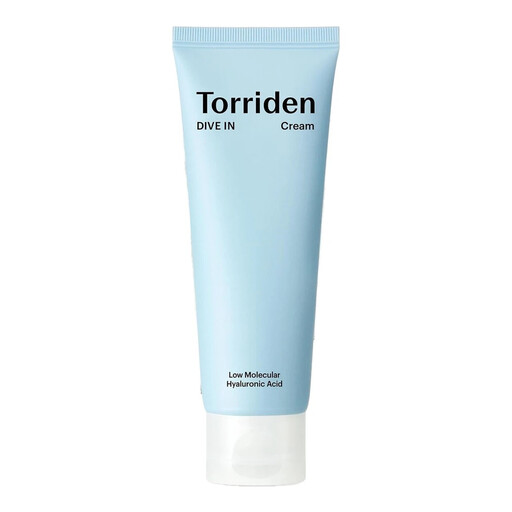
Why it suits this profile: An accessible choice for anyone looking for an everyday Korean moisturiser with a lightweight, fast-absorbing texture.
The product information lists several forms of hyaluronic acid and a formula that absorbs quickly without feeling sticky.
80 ml; contains sodium hyaluronate, ceramide NP, jojoba oil and beta-glucan according to the ingredients list.

Why it suits this profile: Ideal for anyone who wants to compare a comprehensive formula containing ceramides, cholesterol, squalane and hyaluronic acid.
The ingredients list makes the formulation verifiable, rather than relying solely on a general claim about skin repair.
80 ml; contains ceramide NP, NS, AP, AS and EOP, as well as panthenol and several forms of hyaluronic acid.
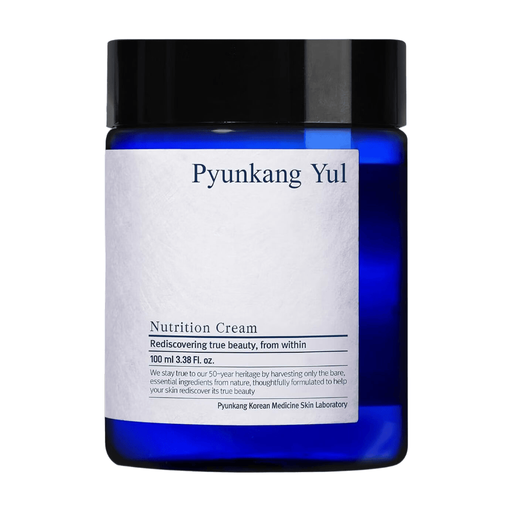
Why it suits this profile: Suitable for anyone looking for a richer cream for dry or demanding skin, for example as the final step in an evening routine.
The product description mentions a rich texture without a heavy or greasy residue; however, check that this texture suits your preferred skin feel.
100 ml; contains astragalus root extract, shea butter, jojoba oil and sodium hyaluronate; fragrance-free according to the product information.
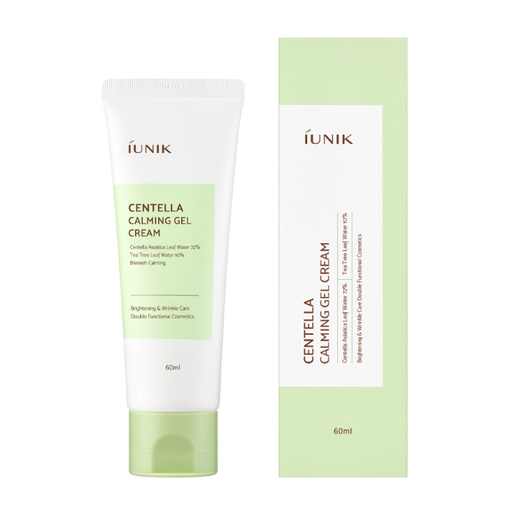
Why it suits this profile: Useful for oily, combination or sensitive skin that prefers a fresh cream beneath sunscreen or make-up.
The gel texture is described more clearly than a general claim for all skin types; iUNIK’s own research also mentions sebum.
60 ml; contains centella, tea tree, niacinamide and adenosine; free from synthetic fragrance according to the product information.
We have put together a complete, up-to-date list of products that fully meet these strict selection criteria and the applicable European safety regulations.
Look for a richer formula containing glycerine, shea butter, jojoba oil, squalane, ceramides or hyaluronic acid. Pyunkang Yul Nutrition Cream and The Ceramide Skin Barrier Moisturizer contain several ingredients that fit this type of product choice. Test a small amount first if your skin reacts easily.
That depends on the ingredients and your skin. A simple hydrating cream can generally be used in the morning and evening, in accordance with the packaging. Products containing acids, retinal or vitamin C require extra attention to the directions for use and sun protection. Introduce new products gradually and do not combine several active formulas straight away.
Check the expiry date and the period after opening on the packaging. Store the cream in a cool, dry place away from direct sunlight, and make sure the jar or tube is properly closed. Has the scent, colour or texture changed? Stop using the product.
