
Vandaag of morgen in huis

Kwaliteit gegarandeerd

Welkomstaanbiedingen ontgrendelen: GRATIS bezorging | Tot 80% korting | Gratis 30 dagen JoyPlus-proefperiode
Download de app
Buying a Korean face cream seems simple until you see dozens of products featuring terms such as “intensive hydration”, “repair” and “glow”. Not every cream suits every skin type. A rich texture can feel comforting on dry skin, but too heavy on oily or combination skin. A long ingredients list alone also says little about how suitable a product will be in practice.
Pay particular attention to these three common pitfalls:
For a face cream for dry skin, glycerine, hyaluronic acid, panthenol, squalane, butters and oils are common ingredients. They help the skin feel comfortable and supple. A thicker cream is particularly practical in the evening or during cold, dry months.
A moisturising face cream for normal, combination or oily skin often has a gel-cream or lightweight cream texture. It usually absorbs more quickly and feels less occlusive. When choosing a face cream for sensitive skin, also check whether it contains fragrance and preferably choose a formula that you can test on a small area of skin first.
Compare the contents in millilitres or grams, especially when two jars look the same size. Also check the recommended use: some creams are suitable as the final step in both your morning and evening routines, while a retinol product often needs to be introduced gradually.
Use a Korean face cream for external use only, avoid contact with the eyes and stop using it if irritation or redness occurs. A patch test is advisable if you have sensitive skin. Also check the expiry information and store the product in a cool, dry place away from direct sunlight.
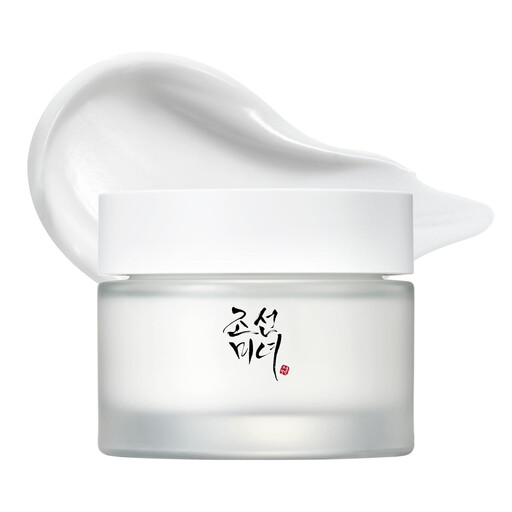
Why it suits this profile: A creamy daily moisturiser containing glycerine, niacinamide, sodium hyaluronate and various plant extracts. Suitable if you are looking for an easy-to-understand Korean skincare cream with a nourishing finish.
The ingredients list makes it clear which moisturising ingredients are present. However, check whether plant extracts and honey extract suit your skin.
Creamy texture; contains niacinamide and sodium hyaluronate; according to the product information, suitable for all skin types.

Why it suits this profile: A logical choice if you are specifically looking for a cream with ceramides and several forms of hyaluronic acid in one formula.
You can check the formula against the ingredients list instead of relying solely on general barrier claims.
Lists ceramides NP, NS, AP, AS and EOP; contains cholesterol, panthenol and several forms of hyaluronic acid.
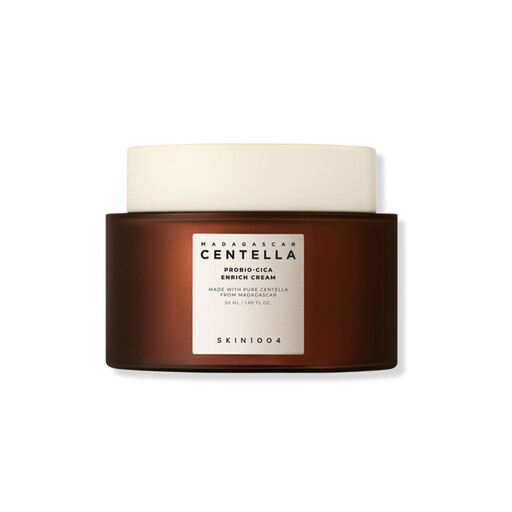
Why it suits this profile: According to the product description, this concentrated cream is aimed at dry and sensitive skin and has a richer, silky texture.
The formula lists ceramide NP, shea butter, centella asiatica and several oils. This lets you assess in advance that the cream is richer than a gel.
Contains ceramide NP and centella asiatica; according to the product information, vegan and cruelty-free.
We have put together a complete, up-to-date list of products that fully meet these strict selection criteria and the applicable European safety regulations.
First cleanse your face and use toner or serum if required. Then apply a small amount of cream to your face and neck. Pat or gently massage until the product is evenly distributed. During the day, use a sun protection product as the final step.
This depends on the size and how much you use each time. A 50 ml jar will generally last for less time with daily use than an 80 or 100 ml container. Always check the expiry information on the packaging and close the jar securely after use.
Look for a cream containing glycerine, panthenol, hyaluronic acid, ceramides or squalane, and check whether it contains fragrance. A richer formula, such as SKIN1004 Probio-Cica Enrich Cream, may be worth considering if you are looking for a comfortable, barrier-focused texture. Always test each new product on a small area of skin first.
