
Vandaag of morgen in huis

Kwaliteit gegarandeerd

Welkomstaanbiedingen ontgrendelen: GRATIS bezorging | Tot 80% korting | Gratis 30 dagen JoyPlus-proefperiode
Download de app
Buying a Korean face cream may seem simple, until you start comparing ingredient lists and marketing claims. One facial moisturiser may be light and gel-like, while another mainly forms a protective layer on the skin. Terms such as “barrier repair”, “24-hour hydration” and “suitable for sensitive skin” do not tell the whole story either.
As a Joybuy Product Recommendation Officer, I therefore focus mainly on verifiable information: the ingredient list, texture, size, directions for use and warnings. This helps you avoid buying a face cream for dry skin that feels too heavy, or a cream for blemish-prone skin containing ingredients your skin does not tolerate well.
A product containing lots of plant extracts, oils and active ingredients is not automatically more suitable. With sensitive skin, fragrance, essential oils or multiple botanical extracts may actually cause irritation. Always check the full INCI list, rather than just the ingredients highlighted on the front of the packaging.
Hydration may come from glycerine, beta-glucan, hyaluronic acid or sodium hyaluronate. A cream may also contain oils, butters, silicones or occlusive ingredients that help lock in moisture. This can feel comfortable when your skin is dry, but too rich for oily or combination skin.
According to iUNIK’s own research, for example, the Beta Glucan 3x Barrier Cream may improve hydration and barrier function. According to product information, the Skin Barrier Moisturizer has, among other things, been clinically tested for hypoallergenic and non-comedogenic properties. Such claims come from the brand or product description and do not guarantee that every user will experience the same results.
If you experience redness, itching, swelling or a burning sensation, stop using the product. A face cream is not a substitute for dermatological advice.
For a hydrating face cream, the following ingredients may be relevant:
Do not focus on just one ingredient. The overall formula and the order of the ingredients on the list are just as important.
If you are looking for a face cream for sensitive skin, it is worth checking carefully for fragrance and essential oils. According to the ingredient list, Dear, Klairs Rich Moist Soothing Cream contains, among other things, lemon, lavender, orange, geranium, ylang-ylang and eucalyptus oils. The product is described as suitable for sensitive skin, but it also lists potential fragrance allergens such as limonene and linalool.
This does not automatically make the cream unsuitable, but it does make it less predictable for anyone who has reacted to fragrances in the past. A patch test on a small area of skin is advisable.
A rich cream can be a pleasant final step in your evening routine, while a lightweight gel cream may work better underneath sun cream or make-up. Check the size too: the products mentioned range from 50 ml to 100 g, for example. Directions for use also vary. Some creams are intended for morning and evening use, while others are mainly used as the final step in your routine.
Also check the packaging for the expiry date, batch number and any period-after-opening symbol. Store the jar or tube in a cool, dry place away from direct sunlight, as indicated on the product packaging.
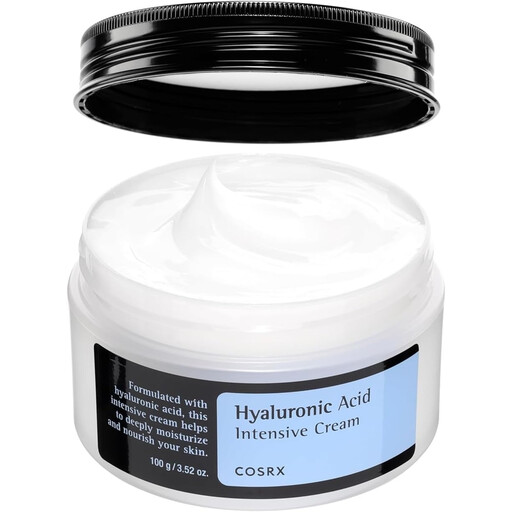
Why it suits this profile: A straightforward choice if you want a larger size with a clear focus on hydration, without immediately building an extensive routine.
The product information lists a short ingredient list including sea buckthorn water, glycerine and sodium hyaluronate. Always check the current packaging.
100 g size; contains glycerine, betaine and sodium hyaluronate according to the product details.

Why it suits this profile: Ideal for users who pay close attention to ceramides, cholesterol and multiple forms of hyaluronic acid in a skin-barrier cream.
The formula lists ceramide NP, NS, AP, AS and EOP, along with cholesterol, phytosphingosine and various forms of hyaluronic acid. Your skin may still react differently.
80 ml size; contains panthenol, allantoin, ceramides and sodium hyaluronate according to the product list.
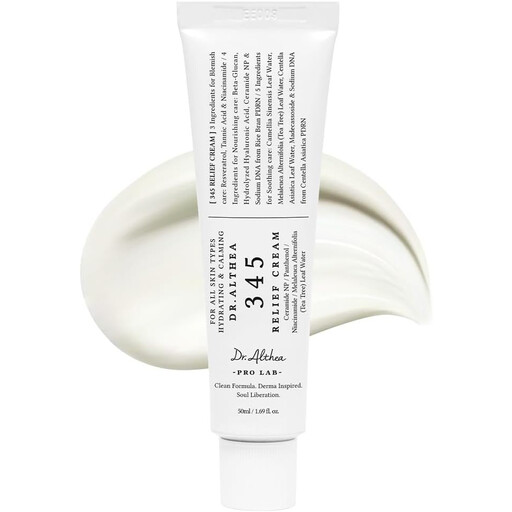
Why it suits this profile: Designed for users looking for a moisturiser for combination or blemish-prone skin while still wanting to maintain hydration.
According to the product information, the cream has been tested for non-comedogenicity and contains no artificial fragrance. This remains a brand claim; if you have sensitive skin, carry out a patch test first.
Contains ceramide NP, hyaluronic acid, niacinamide and tea tree leaf water according to the product description.
We have put together a complete, up-to-date list of products that fully meet these strict selection criteria and comply with the applicable European safety regulations.
Apply the cream after cleansing and, if required, after toner or serum. Use a small amount and spread it evenly over your face and neck. If you have dry skin, you can apply a richer layer in the evening. During the day, sun cream should be the final protective step in your routine.
Introduce new products one at a time. This makes it easier to assess which product feels comfortable and whether a reaction is caused by the new cream. When using products containing exfoliating ingredients such as AHA, BHA or PHA, pay extra attention to sun protection. According to the ingredient list, the Some By Mi AHA-BHA-PHA 30 Days Miracle Cream contains, among other things, capryloyl salicylic acid, lactobionic acid and citric acid; the product warning therefore recommends sun protection.
That depends on the complete formula. Look out for fragrance, essential oils, acids and known allergens. A product may be described by the manufacturer as suitable for sensitive skin, but individual tolerance varies. Test a small amount first.
Choose a formula with moisture-binding ingredients such as glycerine or hyaluronic acid, as well as ingredients that help retain moisture, such as ceramides, oils or silicones. A richer texture is often more practical in the evening, while a lighter cream may feel more comfortable under sun cream.
You can, but check the texture and ingredients. A lightweight cream and a product tested as non-comedogenic according to the manufacturer may be a sensible choice. Such a claim is not a guarantee for every skin type. Stop using the product if irritation occurs, and seek advice from a healthcare professional if symptoms persist.
