
Livraison le jour même et le lendemain

Qualité garantie

Débloquez vos offres de bienvenue: Livraison GRATUITE | Jusqu'à -80 % | 30 jours d'essai gratuits à JoyPlus
Téléchargez l'application
A Korean face cream for sensitive skin can help care for dry, tight or uncomfortable skin every day. However, eye-catching packaging or the word “soothing” does not automatically mean that a cream is right for your skin. This is especially important if your skin is prone to redness or acne, so check the ingredients, texture and usage warnings carefully.
A list containing lots of plant extracts may sound appealing, but sensitive skin can react to more than just active ingredients. Fragrance, essential oils and certain preservatives can also play a part. Dear, Klairs Rich Moist Soothing Cream, for example, contains lemon, lavender, orange, geranium, ylang ylang and eucalyptus oils, among other ingredients. According to the product information, these oils and naturally occurring fragrance allergens may cause an allergic reaction in some users.
Terms such as “repairing”, “soothing” and “anti-redness” are no guarantee of a personal result. A brand’s own research may have identified certain effects under specific conditions, but that does not mean every user will experience the same thing. Instead, start by looking for verifiable information, such as the presence of ceramides, panthenol, glycerine, hyaluronic acid or Centella Asiatica.
A rich barrier cream can feel comfortable on dry skin, but may feel heavy on oily or combination skin. A gel cream usually spreads more lightly and absorbs faster, but may provide less comfort when your skin needs plenty of moisture and oils. So do not choose based on the packaging alone: consider the skin feel you are looking for as well.
A hydrating face cream often contains moisture-binding ingredients. Glycerine, betaine, panthenol and various forms of hyaluronic acid help attract and retain moisture in the skin. According to the product description, Dr. Althea 147 Barrier Cream contains seven types of hyaluronic acid. This may be an interesting option if you mainly want to care for dehydrated or dry skin.
Also look for ingredients that help limit moisture loss, such as dimethicone, squalane, oils or butters. A moisturiser for dry skin is generally richer than a cream intended for oily skin.
A barrier cream often contains lipids that complement the skin’s natural protective layer. Ceramide NP, other ceramides, cholesterol and fatty acids are examples to look for on the label. According to the listed ingredients, The Ceramide Skin Barrier Moisturizer contains several ceramides, cholesterol, phytosphingosine and panthenol.
This makes this type of formula relevant if you are looking for repairing skincare for dry or easily tight-feeling skin. “Supporting” is the appropriate description here; a cosmetic product is not a substitute for treating a skin condition.
Centella Asiatica, also known as cica, is widely used in Korean skincare. Panthenol, allantoin and certain forms of madecassoside are also used in soothing creams. At the same time, check whether the formula contains fragrance, essential oils or alcohol denat. if your skin is sensitive to them.
When using a cream for irritated skin, apply a new product to a small area of skin first. Stop using it if you experience redness, swelling, itching or a burning sensation. Do not apply cosmetics to open or damaged skin, and consult a doctor or dermatologist if symptoms persist.
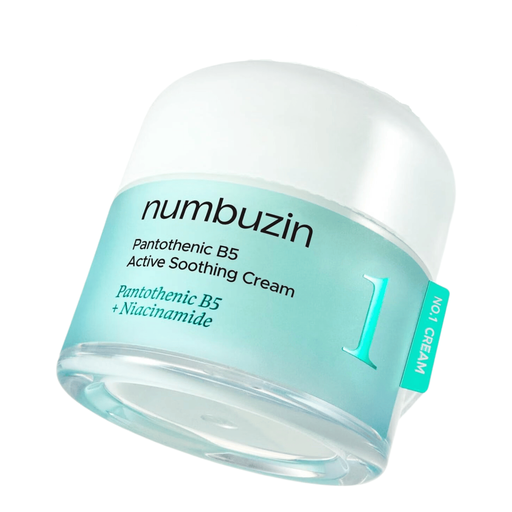
Why it suits this profile: The 80 ml size and lightweight, everyday application make this cream practical for anyone starting with a simple routine. The product information lists panthenol, glycerine, niacinamide and Centella Asiatica.
The ingredients list makes the formula easy to assess, so you do not have to rely solely on the term “soothing”. Stop using it if irritation occurs, as stated in the usage warning.
80 ml; panthenol, glycerine and Centella Asiatica; suitable for use in the morning and evening according to the product information.
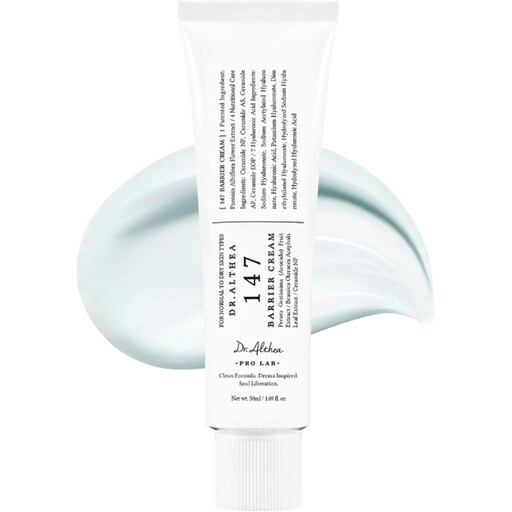
Why it suits this profile: According to the product description, this cream focuses on a rich combination of hydration and barrier care. That makes it a good fit for dry skin in need of a more nourishing product.
The formula is not based on marketing language alone: seven types of hyaluronic acid and ceramides are specifically listed in the product description.
50 ml; seven types of hyaluronic acid; ceramides; guaiazulene and vitamin E according to the product information.

Why it suits this profile: If you are specifically looking for a barrier cream, this formula provides several ceramides and moisture-binding ingredients. That makes it suitable for dry, dehydrated or easily tight-feeling skin.
This choice is based on the ingredients list rather than a repair claim alone. The product information also recommends a patch test for sensitive skin.
80 ml; ceramide NP, NS, AP, AS and EOP; hyaluronic acid, cholesterol and panthenol.
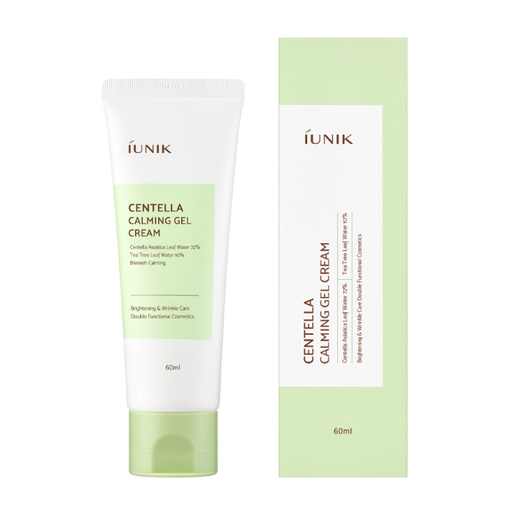
Why it suits this profile: The gel cream texture is designed for users who want hydration without a heavy or sticky feel. The product information lists oily, combination, sensitive and blemish-prone skin as suitable skin types.
The lightweight texture helps you avoid automatically choosing a rich cream when your skin tends to feel oily quickly. However, always check how well your own skin tolerates it.
60 ml; gel cream; Centella Asiatica, tea tree extract, niacinamide and adenosine according to the product information.
We have put together a complete, up-to-date list of products that fully meet these strict selection criteria and the applicable European safety regulations.
Apply the cream after cleansing and, if desired, after a serum. Use sun protection during the day as well. Start with a small amount and only apply more if your skin needs it. On dry skin, a richer cream can feel particularly comfortable in the evening. A gel cream is often a better choice under make-up or sunscreen.
Do not introduce several new products at the same time. This makes it easier to see which products your skin does or does not tolerate. Also always check the packaging for the current ingredients, shelf life and directions for use.
Look for a formula containing ceramides, glycerine, panthenol and hyaluronic acid. A richer option such as Dr. Althea 147 Barrier Cream or The Ceramide Skin Barrier Moisturizer may suit dry skin, although the right choice depends on your texture preference and individual tolerance.
Centella Asiatica is often used in soothing creams and features in several Korean skincare formulas. It is not a guarantee against spots or redness. Choose a product based on the complete ingredients list and carry out a patch test if your skin reacts easily.
The shelf life is stated on the packaging. Store the cream according to the instructions, usually somewhere cool and dry and away from direct sunlight. Close the packaging securely after use and stop using the product if its smell, colour or texture changes noticeably. If your skin becomes irritated, it is best not to continue using the product after a negative reaction.
