
Vandaag of morgen in huis

Kwaliteit gegarandeerd

Welkomstaanbiedingen ontgrendelen: GRATIS bezorging | Tot 80% korting | Gratis 30 dagen JoyPlus-proefperiode
Download de app
A Korean face cream can be a useful addition to your daily skincare routine, but the wide range of options can make choosing difficult. Are you looking for a K-beauty moisturiser for dry skin, a lightweight cream for oily skin or a product suitable for sensitive skin? In that case, relying on the packaging or a popular ingredient name alone is not enough.
The following pitfalls regularly cost consumers in the Netherlands money:
For a face cream for dry skin, ingredients such as glycerine, shea butter, squalane, jojoba oil and ceramides are worth considering. A richer cream can feel comfortable when your skin feels tight, particularly in winter or in dry indoor air.
Oily or combination skin often benefits more from a gel cream or lightweight moisturiser. Look for terms such as “gel cream” and check that the product is not described as having a heavy, glossy finish. For example, the Beauty of Joseon Red Bean Hydrating Gel Cream is associated with oily skin and a lightweight gel texture in the product information.
With a face cream for sensitive skin, the ingredients list is especially important. A product may be described as gentle by the brand, but always check it yourself for fragrance, essential oils and any ingredients you are allergic to.
A product containing lots of active ingredients is not automatically a better choice. If you already use serums with acids, retinoids or vitamin C, you may actually benefit from a simple cream without additional potential irritants.
Check the contents in millilitres or grams, the recommended amount and the shelf life after opening. The information on the packaging takes precedence. Do not use a cream on damaged skin, and stop using it if persistent redness, itching or swelling occurs.
Apply a new product to a small area of skin first. This is particularly sensible if you have sensitive skin or if the formula contains fragrance, citrus oil or other potentially irritating ingredients. During the day, sun protection remains important, especially when using a product described in the product information as targeting a more even complexion or pigmentation.

Why it suits this profile: The lightweight gel cream is a practical choice if you are looking for your first Korean moisturiser without a rich, greasy texture.
The product information clearly states that it has a gel texture and is intended for oily skin, making it less likely that you will choose a cream that is too heavy.
100 ml, lightweight gel cream and product information focused on hydration and pore care.

Why it suits this profile: The formula is appealing if you are specifically looking for ceramides, cholesterol, squalane and several forms of hyaluronic acid.
You are choosing based on verifiable ingredients rather than just a trend-led name or a general hydration claim.
80 ml, ceramides in the ingredients list and, according to the product information, tested as hypoallergenic and non-comedogenic.
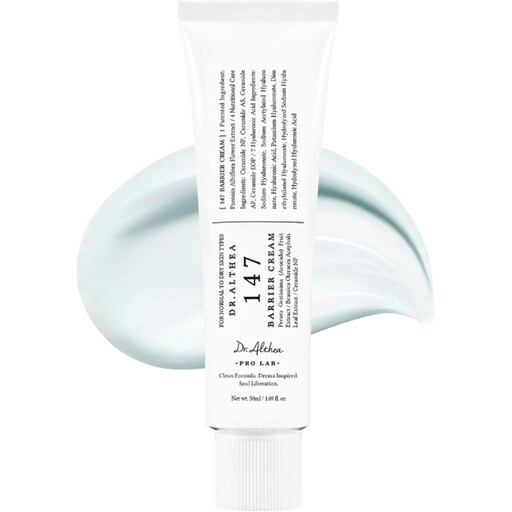
Why it suits this profile: This cream is suited to a routine centred around intensive hydration and caring for the skin barrier.
The product description mentions seven types of hyaluronic acid and ceramides, so your choice is not based solely on a marketing term.
The product information lists ceramides, hyaluronic acid, guaiazulene and vitamin E.
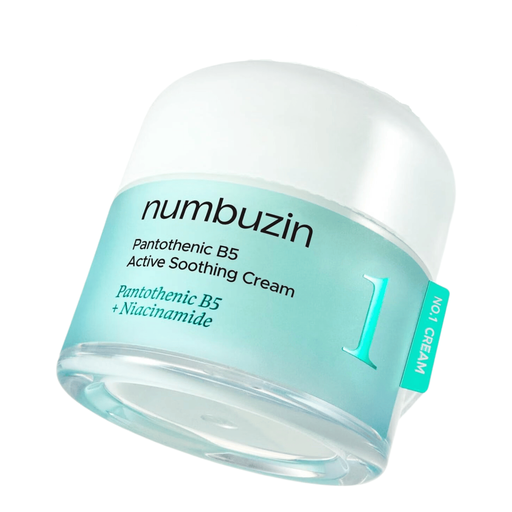
Why it suits this profile: According to the usage information, this cream is intended for daily use on dry, sensitive or irritated skin.
The formula lists panthenol and a range of plant extracts, but always check the full ingredients list for your own sensitivities.
80 ml, panthenol in the ingredients list and usage advice for morning and evening.
We have put together a complete, up-to-date list of products that fully meet these strict selection criteria and the applicable European safety regulations.
That depends on the full ingredients list. If you are sensitive to any of the ingredients, choose a formula without fragrance or essential oils where possible. The Ceramide Skin Barrier Moisturizer lists ceramides and, according to the product information, has been tested as hypoallergenic. Test this product on a small area of skin first, too.
Most creams are used after cleansing, optionally after toner and serum. Start with a small amount in the morning and evening. During the day, you can apply sun protection. Always follow the instructions on the packaging.
Check the expiry date and the symbol indicating the period after opening. Isntree, for example, states that the product should be used within six months of opening. Store a cream in a cool, dry place away from direct sunlight, and close the packaging securely after use.
