
Vandaag of morgen in huis

Kwaliteit gegarandeerd

Welkomstaanbiedingen ontgrendelen: GRATIS bezorging | Tot 80% korting | Gratis 30 dagen JoyPlus-proefperiode
Download de app
A Korean face cream can be a practical addition to your daily skincare routine. However, it’s not wise to choose one based only on terms such as “deep hydration”, “glow” or “barrier repair”. These phrases tell you little about the texture, ingredients or suitability for your skin.
The right choice mainly depends on three things: how dry or oily your skin is, which ingredients you want to use, and how the cream feels under sun cream or make-up.
A product containing lots of plant extracts, vitamins and different acids may sound appealing, but more ingredients don’t automatically mean the cream will suit you better. Pay particular attention to the first ingredients on the INCI list. Glycerine, butylene glycol, panthenol and hyaluronic acid are often used to help bind moisture. Oils, shea butter and silicones can make skin feel softer and help limit moisture loss.
Some brands’ product descriptions may claim that a cream hydrates for a certain number of hours, refines pores or reduces fine lines. Treat this as information from the brand, not a guaranteed result for every user. Skin type, the amount of product used and the climate all play a part. In the Netherlands, dry air from central heating, wind and cold weather can also affect how a facial moisturiser feels on your skin.
A lightweight gel cream feels pleasant on oily or combination skin, but may not feel comfortable enough for dry skin. A rich cream, on the other hand, may feel too heavy if your skin gets shiny quickly or is prone to acne. So look for a balance of moisture-binding ingredients, emollients and occlusive ingredients.
A hyaluronic acid cream can help retain moisture on the skin’s surface. Products containing different forms or molecular weights of hyaluronic acid are often presented as a way to support moisture at multiple levels. That doesn’t automatically mean the ingredients penetrate deep into the skin or that everyone will get the same results.
Hyaluronic acid may feel more comfortable on dry skin when followed by a cream that helps limit moisture loss. A moisturiser with ceramides, squalane or oils can play a supporting role.
Always check the current packaging, as formulas can change. For example, NIVEA’s product information lists fragrance and fragrance allergens such as limonene and geraniol. According to its stated ingredients list, Medicube Deep Vita C Capsule Cream contains fragrance. This doesn’t automatically make these products unsuitable, but it’s useful information if you want to avoid fragrance.
If you have sensitive skin, it’s a good idea to do a patch test. Stop using the product if you experience redness, itching, swelling or a burning sensation, and ask a doctor or dermatologist for advice if needed.

Why it suits this profile: The lightweight gel cream is easy to fit into a morning and evening routine. According to the product description, the formula contains 77% oat seed water, panthenol, squalane and beta-glucan.
The product information describes a lightweight formula that doesn’t feel greasy, so you don’t have to rely on a heavy texture for hydration.
100 ml; gel cream with oat seed water, panthenol, squalane and beta-glucan, according to the stated ingredients list.
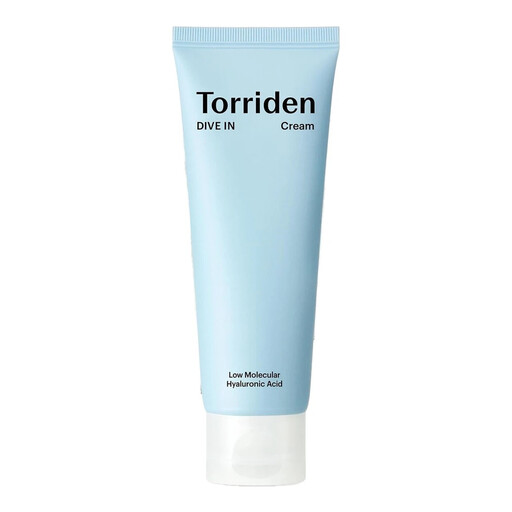
Why it suits this profile: If you want to build a Korean skincare routine focused on hydration, this cream contains several forms of hyaluronic acid, glycerine, beta-glucan and ceramide NP.
The choice is based on verifiable ingredients and size, not just a general promise of radiant skin.
80 ml; five stated forms of hyaluronic acid, plus jojoba, macadamia and argan oils, according to the product information.

Why it suits this profile: According to the product description, the gel texture is designed to provide lightweight hydration for oily or combination skin and can be used morning and evening.
This product makes the difference between a rich cream and a lightweight gel clear, so you can consider a less heavy option if your skin gets shiny.
100 ml; 44% Haenam red bean extract and a peptide complex, according to the product information.
We’ve put together a complete, up-to-date list of products that meet these strict selection criteria and current European safety regulations.
Apply a facial moisturiser to clean skin. A pea-sized amount is often a good starting point; adjust it to suit the texture and your skin’s needs. During the day, apply sun cream as the final step.
Check the shelf life, batch information and period after opening on the packaging. Store the jar or tube in a cool, dry place away from direct sunlight. An opened cream may feel different or become less pleasant to use before its use-by date.
Look for a richer cream with glycerine, hyaluronic acid, panthenol, ceramides, squalane or oils. A gel cream may feel pleasant during the day, but a richer texture may be more comfortable in the evening if you have dry skin.
Usually, yes, if the product instructions recommend daily use and your skin tolerates the formula well. Apply it after cleansing and serum, if you use one. Test a new cream on a small area of skin first, especially if your skin is sensitive.
The price varies by brand, size, ingredients and packaging. So compare not only the purchase price, but also the number of millilitres and how much you need to use each time. A 100 ml product may work out cheaper per millilitre than a smaller jar, but only if the texture and formula suit your routine.
