
Vandaag of morgen in huis

Kwaliteit gegarandeerd

Welkomstaanbiedingen ontgrendelen: GRATIS bezorging | Tot 80% korting | Gratis 30 dagen JoyPlus-proefperiode
Download de app
A Korean face cream can be a great addition to your daily Korean skincare routine, but choosing the right one isn’t always straightforward. Packaging often highlights terms like “soothing”, “barrier care” or “intense hydration”, yet the texture, ingredients and how to use it are just as important.
For dry, sensitive, oily or combination skin in particular, there are three common pitfalls to watch out for:
A useful moisturising cream often combines several types of ingredients:
A ceramide cream isn’t automatically right for everyone. Also check the rest of the formula and watch out for fragrance, essential oils or other ingredients you’ve reacted to before.
For oily or combination skin, a light gel cream or lotion can be more pleasant. Look for a fast-absorbing texture and avoid a product that feels heavy or shiny for a long time.
Dry skin, on the other hand, can benefit from a richer cream containing ingredients like shea butter, oils, squalane or multiple barrier-supporting ingredients. For sensitive skin, a simple routine is often wiser than introducing lots of new products at once.
Product descriptions may use terms like “calming”, “reduces redness” or “skin barrier repair”. Treat this as information from the brand, not a guaranteed result. According to the product description from the brand in question, a formula may support certain properties; your own skin may react differently.
Compare the net content volume with the recommended amount per use. A pot or tube of 50, 75 or 100 ml can last a different length of time in practice, depending on how generously you apply it.
Also check:
Stop using it if you experience redness, swelling, itching or other irritation. For persistent skin concerns, seek advice from a doctor or dermatologist.
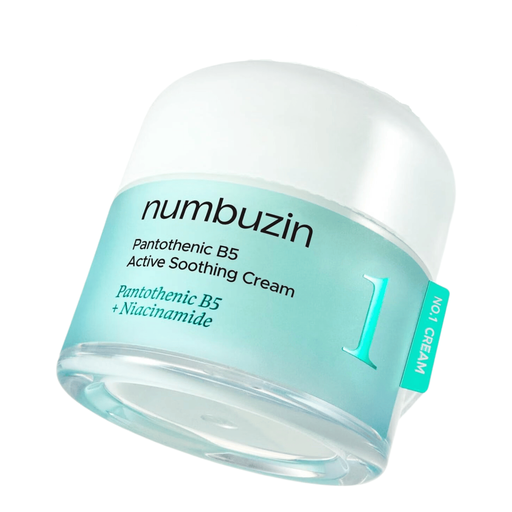
Why it fits this profile: The 80 ml packaging and combination of glycerine, niacinamide, Centella Asiatica and panthenol make this a practical starting point for anyone looking for one daily cream.
The ingredient list shows which humectants and emollients are present, rather than relying solely on the term “soothing”.
80 ml content; glycerine, niacinamide, panthenol and Centella Asiatica are listed in the stated formula.
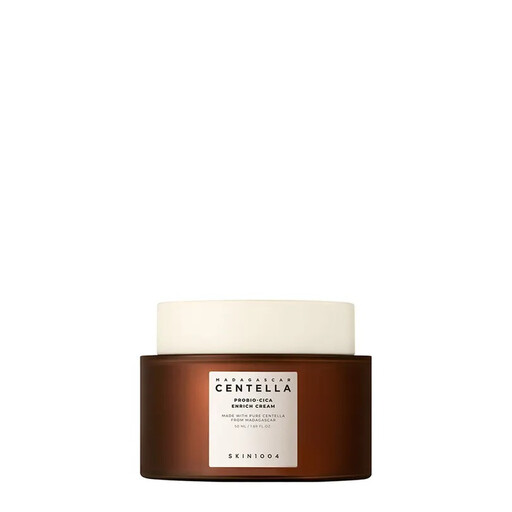
Why it fits this profile: According to the product description, this richer cream targets dry and dehydrated skin and contains fermented Centella Asiatica, TECA and Ceramide NP.
The product choice links the target audience to the texture and ingredients, not just general terms like “intensive repair”.
50 ml; contains Centella derivatives and Ceramide NP according to the product information.
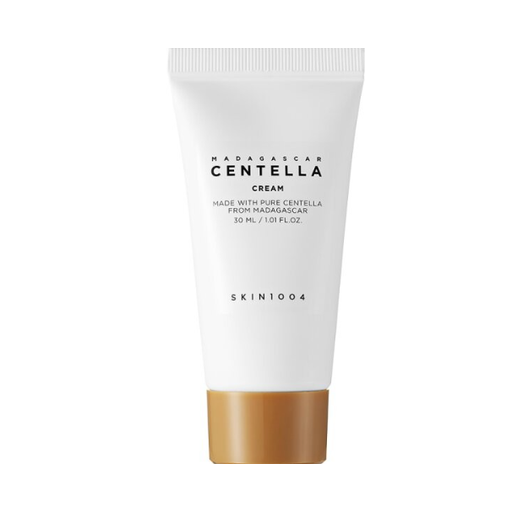
Why it fits this profile: The stated description mentions a light formula with panthenol, TECA and Centella Asiatica, intended for normal or sensitive skin.
The smaller size can be handy when you want to try the texture before buying a larger pot.
30 ml; panthenol and Centella derivatives are listed in the product description; suitable for use under make-up according to the stated information.
We’ve put together a full, up-to-date list of products that fully meet these strict selection criteria and comply with current European safety regulations.
First, look for a short, clear ingredient list and check whether fragrance or essential oils are present. Ingredients like panthenol, glycerine, Centella Asiatica and ceramides are common in a face cream for sensitive skin, but tolerance remains personal. Test a new product on a small area of skin first.
Most face creams in this selection are intended for daily use according to the product information, usually in the morning and evening. Apply a suitable amount after cleansing and any serums. During the day, also use a sun protection product as directed on the packaging.
That depends on the volume and the amount you use per application. A pot of 80 or 100 ml typically lasts longer with daily use than a product of 30 or 50 ml, but this isn’t a fixed period. Store the cream away from direct sunlight, close the packaging properly and follow the expiry information on the label.
