
Vandaag of morgen in huis

Kwaliteit gegarandeerd

Welkomstaanbiedingen ontgrendelen: GRATIS bezorging | Tot 80% korting | Gratis 30 dagen JoyPlus-proefperiode
Download de app
A Korean face cream can be a great addition to your skincare routine, but not every formula works for every skin type. A rich cream may feel lovely on dry skin yet too heavy on oily skin. Terms like “glow”, “barrier repair” and “anti-ageing” also sound appealing, but the ingredients list often tells you more about the product’s practical qualities.
Words like “brightening”, “restorative” or “lifting” don’t automatically guarantee a specific outcome. According to a brand’s own research, certain ingredients may contribute to a particular effect, but that doesn’t make the claim universally applicable. So, look closely at:
For pigmentation spots, acne or signs of skin ageing, a cream is no substitute for professional skincare or medical advice.
A hyaluronic acid cream can attract moisture, but the overall formula determines how comfortable your skin feels. A ceramide cream contains lipids that fit into a routine aimed at a weakened skin barrier, but a too-rich base can feel heavy on oily skin.
The same goes for a niacinamide cream. Niacinamide appears in different concentrations and combinations, so check the full formula rather than just the name on the front.
A 100 ml pot may look appealing, but usage and shelf life matter. A product you end up using too little of because it feels sticky or greasy is ultimately not a practical purchase. Also pay attention to the recommended period after opening and store the cream according to the label, away from heat and direct sunlight.
Glycerine, panthenol and hyaluronic acid are often used for hydration. Ceramides, cholesterol and fatty acids suit a routine that aims to support the skin barrier. Centella asiatica and madecassoside are frequently mentioned in product descriptions for their soothing positioning; judge for yourself whether the formula is right for your skin.
For a cream targeting pigmentation spots, you’ll often see niacinamide, vitamin C derivatives or tranexamic acid. These ingredients make daily sun protection even more important. An acne cream for spot treatment is different from a moisturiser for the whole face, so use a spot product only as directed.
A product may be described as mild or hypoallergenic, but always check the ingredients and warnings. Some formulas contain fragrance, lavender oil, tea tree oil or fragrance allergens such as limonene and linalool. If you have sensitive skin, first test a small amount on a limited area. Stop if you experience irritation, redness, itching or swelling.
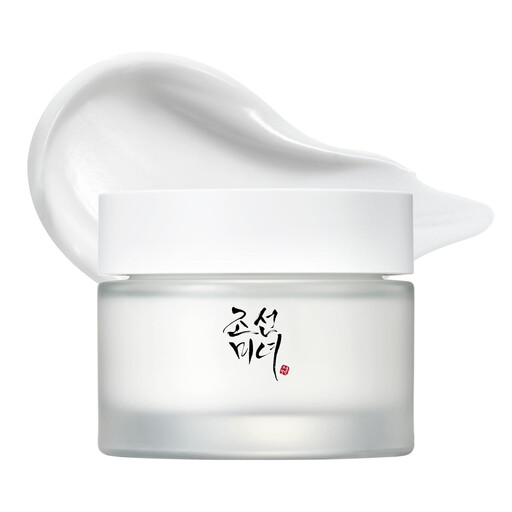
Why it fits this profile: The 50 ml pack is a manageable way to try a creamy K-beauty face cream. According to the product description, the formula includes glycerine, niacinamide, panthenol, sodium hyaluronate and various plant extracts.
The smaller size reduces the risk of buying a large pot before you know whether the rich, creamy texture feels comfortable on your skin.
50 ml; niacinamide and hyaluronic acid listed in the product information; suitable for morning and evening use as directed.

Why it fits this profile: According to the product information, this gel-cream combines five types of hyaluronic acid with argan and apricot oils. That makes it interesting for anyone wanting to combine hydration with a relatively light texture.
The product information explicitly mentions the gel-cream texture, so you’re not relying solely on a general hydration claim.
100 ml; multiple forms of hyaluronic acid; also contains panthenol, beta-glucan, cholesterol and ceramide NP according to the ingredients list.

Why it fits this profile: The gel texture is designed for those who want hydration without a noticeably heavy feel. The product information mentions use on oily skin and contains red bean extract and a peptide complex.
The product category and texture are clearly described. This allows you to compare this option more directly with a rich cream for dry skin.
100 ml; gel-cream for face and neck; according to the product information, it targets hydration and pore care.
We’ve put together a full, up-to-date list of products that fully meet these strict selection criteria and comply with current European safety regulations.
First, cleanse your face and apply toner, serum or ampoule if you use them. Then apply a small amount of cream and massage it in gently. During the day, finish with sunscreen. If your skin reacts easily, start by using a new product every other day.
Follow the expiry date and the period after opening on the packaging. Store the product in a cool, dry place away from direct sunlight. If the scent, colour or texture changes, stop using the cream even if the date hasn’t passed.
Look for a formula with hydrating and barrier-supporting ingredients such as glycerine, panthenol, hyaluronic acid, ceramides and squalane. For sensitive skin, a short ingredients list and a fragrance-free formula are often practical points to consider. Always test any new product on a small area of skin first.
