
Vandaag of morgen in huis

Kwaliteit gegarandeerd

Welkomstaanbiedingen ontgrendelen: GRATIS bezorging | Tot 80% korting | Gratis 30 dagen JoyPlus-proefperiode
Download de app
A Korean face cream can be a light gel, a rich barrier cream or a targeted spot treatment. This makes comparing them not always straightforward. What’s more, a high concentration of a popular ingredient doesn’t automatically mean the formula is right for your skin.
For British shoppers, there are three main pitfalls to watch out for:
A hydrating face cream for dry skin often contains several humectants and emollients. Think of glycerine, panthenol, squalane, oils or shea butter. A gel cream can be more practical for oily or combination skin, especially if you don’t like a heavy layer.
For a face cream for sensitive skin, it’s wise to check the full ingredients list. Centella asiatica, panthenol and allantoin are common in soothing formulas. That doesn’t mean everyone will react the same way. Always test a new product on a small area of skin first.
A barrier cream can contain ingredients that resemble substances naturally found in the skin, such as ceramides, cholesterol, fatty acids and squalane. The Ceramide Skin Barrier Moisturizer, for example, lists ceramide NP, ceramide NS, ceramide AP, ceramide AS and ceramide EOP, alongside panthenol and different forms of hyaluronic acid.
Also check the size. A pot or tube of 80 to 100 ml can be more practical for daily use than a 15 or 30 ml pack. A smaller size is handy if you want to try a formula first.
An anti-ageing face cream with retinal, adenosine or peptides has a different purpose than a simple moisturiser. With K-SECRET SEOUL1988 Cream, retinal liposome 1% is mentioned in the product name, but the available product information doesn’t include a full description. Always check the packaging and instructions for use before choosing this product.
For an acne cream, you need to distinguish between daily care and targeted treatment for a blemish. AC Collection Ultimate Spot Cream is intended for spot use and contains zinc oxide, calamine and tea tree oil, among other ingredients. According to the product information, tea tree oil can cause sensitivity in some users. Stop using it if irritation occurs and consult a doctor or pharmacist for persistent skin problems.
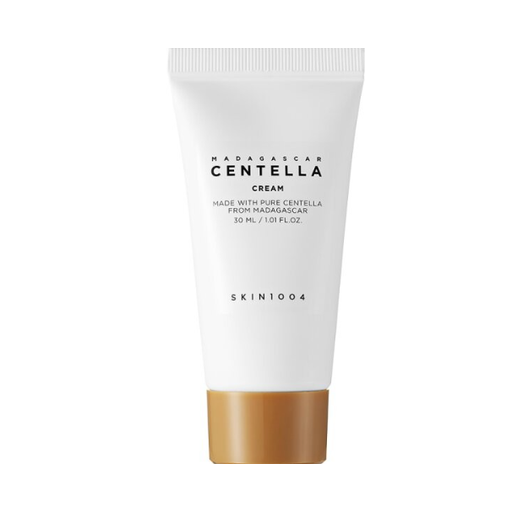
Why this fits the profile: According to the product information, this light cream is designed for normal and sensitive skin and contains centella asiatica, panthenol and TECA. That makes the formula straightforward for anyone wanting to start with a daily K-beauty face cream.
The product description mentions a fast-absorbing texture without a heavy or greasy feel. Do check the current packaging and patch test first if you have reactive skin.
30 ml; panthenol and centella asiatica; suitable for normal and sensitive skin according to the product information.

Why this fits the profile: This Korean moisturiser has an extensive ingredients list with ceramides, cholesterol, squalane, panthenol and multiple forms of hyaluronic acid. The formula suits anyone specifically looking for barrier-supporting ingredients.
The choice is based on listed ingredients rather than a general claim about skin repair. A patch test is still recommended, especially for sensitive skin.
80 ml; multiple ceramides; squalane, cholesterol and hyaluronic acid in the ingredients list.

Why this fits the profile: The product information describes a light gel cream with 44% Haenam red bean extract and a peptide complex. The texture is designed to provide hydration without a sticky feel.
The gel texture prevents you from choosing a rich cream when you actually want a lightweight product. The sebum-regulating effect should be seen as a brand claim.
100 ml; gel cream; product information mentions 44% red bean extract and use for oily skin.
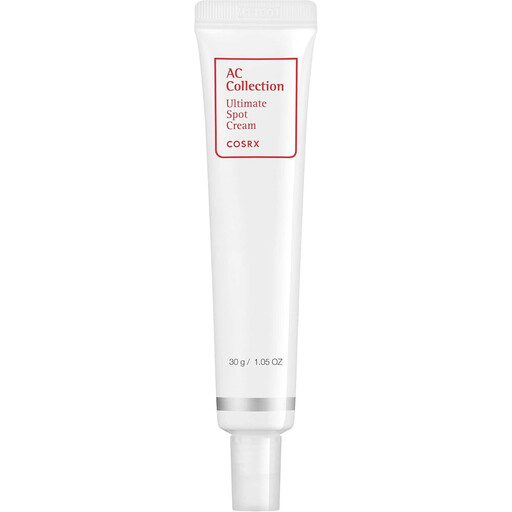
Why this fits the profile: This isn’t a general moisturiser, but a targeted cream for visible blemishes. The product information lists zinc oxide, calamine, aloe and a centella complex for use on specific areas.
You use the cream on targeted spots rather than applying an active formula all over your face. The packaging advises a patch test; tea tree oil can cause sensitivity in some users.
30 g; spot application; contains zinc oxide, calamine and centella derivatives according to the product information.
We’ve put together a full, up-to-date list of products that fully meet these strict selection criteria and comply with current European safety regulations.
Apply the cream after cleansing and, if you use them, after toner, serum or ampoule. During the day, also use sun protection if the product information advises it or if you’re using active ingredients. Start with a small amount and only add more if your skin needs it.
Check the expiry date, batch information and any period-after-opening symbol on the packaging. Store the cream in a cool, dry place away from direct sunlight and keep the packaging tightly closed. If the scent, colour or consistency changes, stop using it.
Look for a richer formula with glycerine, panthenol, ceramides, hyaluronic acid, squalane or oils. The Ceramide Skin Barrier Moisturizer and Isntree Hyaluronic Acid Moist Cream contain several ingredients that help retain moisture. If you have sensitive skin, always check the full ingredients list and do a patch test.
