
Vandaag of morgen in huis

Kwaliteit gegarandeerd

Welkomstaanbiedingen ontgrendelen: GRATIS bezorging | Tot 80% korting | Gratis 30 dagen JoyPlus-proefperiode
Download de app
A Korean face cream can be a practical addition to your daily skincare routine, but not every moisturiser suits every skin type. A lightweight gel cream for oily skin feels different from a rich moisturiser for dry skin. Terms such as “barrier repair”, “soothing” and “anti-ageing” can also raise expectations that aren’t always reflected in the ingredients list.
Shopping with your needs in mind can help you avoid these three common pitfalls:
Choose a texture based on how your skin feels throughout the day:
A skin barrier cream often combines humectant, emollient and occlusive ingredients. Glycerine, panthenol, hyaluronic acid and beta-glucan help attract or retain moisture. Ceramides, cholesterol and fatty acids are found in formulas designed to support the skin barrier.
A ceramide cream isn’t automatically right for everyone. The overall formula, texture and any fragrance all affect how a product feels. Always check the current packaging and ingredients list. Product information may vary by market or packaging.
A soothing face cream may be fragrance-free, but that isn’t true of every Korean moisturiser. If you have sensitive skin, it’s a good idea to:
According to some brands’ product descriptions, certain formulas are dermatologically tested, hypoallergenic or non-comedogenic. These are brand or testing claims, not a guarantee that every skin type will react in the same way.

Why it suits this profile: The lightweight gel cream is easy to use as part of a morning and evening routine. According to the product description, it contains 77% oat seed water, panthenol, squalane and beta-glucan.
The gel texture makes it a clearer choice if you don’t want a heavy layer. Always check the current packaging, and if you have sensitive skin, test it on a small area first.
100 ml; lightweight gel cream; panthenol, squalane and beta-glucan listed in the ingredients.
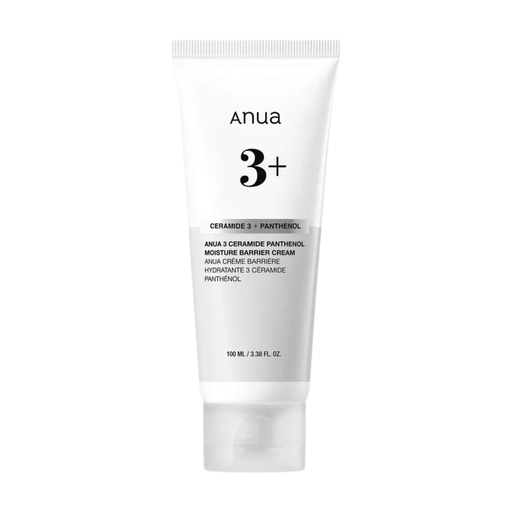
Why it suits this profile: The cream combines panthenol with three ceramides, centella asiatica, squalane and hyaluronic acid. This makes it an interesting option for a more involved routine.
The product is chosen based on its named ingredients, rather than just the term “moisture barrier”. It does contain several components, so check carefully for any allergens.
100 ml; panthenol and ceramides NP, AP and EOP listed; product information recommends using it as the final step.

Why it suits this profile: According to the product description, this moisturiser has a lightweight gel texture and is intended for oily skin. It’s a good fit if you want hydration without a heavy feel.
The product description specifies the gel texture and use for oily skin. Check the ingredients if you’re sensitive to particular plant extracts or fragrance.
100 ml; lightweight gel cream; product information says it’s suitable for oily skin.
We’ve put together a complete, up-to-date list of products that meet these strict selection criteria and the applicable European safety regulations.
Start by looking for a straightforward ingredients list, and avoid products with fragrance if you’re sensitive to it. A face cream for sensitive skin may contain ingredients such as panthenol, centella asiatica, oat or ceramides. These ingredients don’t automatically make a product right for your skin, so it’s still sensible to do a patch test.
Most face creams are applied after cleansing and, if you use one, a serum. They’re usually used in the morning and evening. Follow the instructions on the packaging. During the day, sunscreen should be the final step in your routine, unless the product information says otherwise.
Check the expiry date, batch information and period-after-opening symbol on the packaging. Store the cream in a cool, dry place away from direct sunlight. Has its smell, colour or texture changed? Stop using the product. If irritation persists, you can ask a doctor or dermatologist for advice.
