
Vandaag of morgen in huis

Kwaliteit gegarandeerd

Welkomstaanbiedingen ontgrendelen: GRATIS bezorging | Tot 80% korting | Gratis 30 dagen JoyPlus-proefperiode
Download de app
A Korean face cream can be a practical addition to your daily routine, but the sheer range of options makes choosing difficult. Gel creams, barrier creams, brightening creams and anti-ageing face creams all sound appealing, yet the differences sometimes only become apparent when you look at the ingredients list.
Three common pitfalls to watch out for:
A K-beauty face cream isn’t a one-size-fits-all product. Pay attention to the base formula:
If you’re looking for a hydrating face cream, you can compare ingredients such as glycerine, panthenol, beta-glucan, hyaluronic acid and betaine. These ingredients tell you something about the formula, but they don’t guarantee the same result for every user.
For a face cream for sensitive skin, a simple formula and a gentle build-up are often more important than a long list of active ingredients. Centella asiatica, panthenol, allantoin and guaiazulene frequently appear in soothing formulas. According to the product description, these ingredients may help the skin feel comfortable; that’s not a medical claim.
With a cream for dark spots, you’ll often see niacinamide, tranexamic acid, liquorice extract or vitamin C derivatives. According to the product information, these ingredients are aimed at a more even-looking complexion. Use a separate sunscreen with appropriate protection during the day, as dark spots can become more visible with sun exposure.
For an anti-ageing face cream, you can look for peptides, adenosine, niacinamide and hydrating ingredients. Claims about firmer skin, wrinkles or collagen are brand claims and should be read as such. A cream doesn’t replace dermatological advice.
Compare the net volume, the recommended frequency of use and the shelf-life information on the packaging. A larger pot isn’t automatically better value if you don’t like the formula or experience irritation quickly.
Also check:
A patch test on a small area of skin can help you spot a potential reaction sooner. Stop if you experience burning, itching, swelling or persistent redness, and if in doubt, seek advice from a doctor or dermatologist.

Why this fits the profile: The light gel cream texture and 100 ml volume make this an accessible choice for daily use in the morning and evening.
The product description mentions a light formula and lists 77% oat seed water, glycerine, squalane, panthenol and beta-glucan. Always check the current packaging though.
100 ml volume; contains panthenol, squalane and beta-glucan according to the ingredients list.
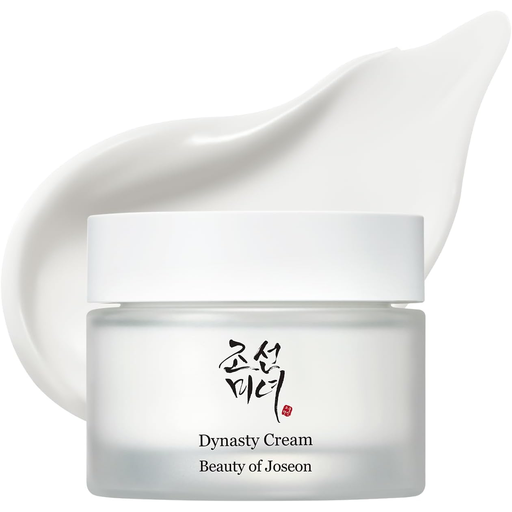
Why this fits the profile: The creamy formula is designed for those who want hydration, a comfortable skin feel and a more radiant finish all in one routine.
The choice is based on verifiable ingredients: niacinamide, panthenol, sodium hyaluronate, rice extract and honey extract are listed in the provided ingredients list.
100 ml; contains niacinamide and hyaluronic acid according to the product information; suitable for morning and evening.
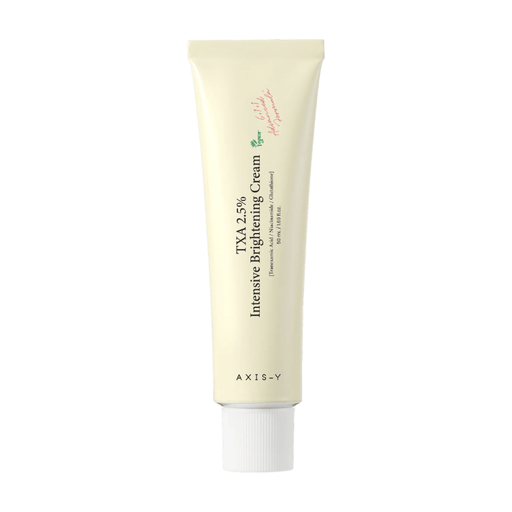
Why this fits the profile: The formula is aimed at a more even-looking complexion and contains a clearly stated concentration of tranexamic acid.
The product information states 2.5% tranexamic acid and niacinamide. This makes the active composition verifiable; individual results are not guaranteed.
50 ml; contains tranexamic acid, niacinamide, panthenol and ceramide NP; sunscreen during the day is recommended in the usage information.
We’ve put together a full, up-to-date list of products that fully meet these strict selection criteria and comply with current European safety regulations.
Look for a simple formula with hydrating and soothing ingredients such as glycerine, panthenol, centella asiatica, beta-glucan or ceramides. If you have sensitivity, it’s best to avoid introducing several new active products at once. A soothing face cream isn’t automatically suitable for everyone; check for fragrance, essential oils and warnings on the packaging.
That depends on the formulation. A simple moisturiser with glycerine, hyaluronic acid or ceramides can generally fit into a morning and evening routine according to the product instructions. With formulas containing acids, vitamin C or multiple active ingredients, it’s wise to build up gradually. Use a separate sunscreen during the day if the face cream doesn’t provide adequate sun protection.
Follow the expiry date and the period-after-opening information on the packaging. Store the cream in a cool, dry place away from direct sunlight, and close a pot or tube properly after use. If the scent, colour or texture changes, or if irritation occurs, stop using it. The shelf life depends on the packaging, storage method and the specific product.
