
Vandaag of morgen in huis

Kwaliteit gegarandeerd

Welkomstaanbiedingen ontgrendelen: GRATIS bezorging | Tot 80% korting | Gratis 30 dagen JoyPlus-proefperiode
Download de app
A Korean face cream can be a practical addition to your daily routine, but the wide range of options can make it difficult to choose. A gel cream for oily skin feels very different from a rich cream for dry skin. Popular ingredients such as niacinamide, ceramides, hyaluronic acid and PDRN don’t, on their own, tell you whether a product is right for you.
As a Joybuy Product Recommendation Officer, I filter product information using details you can check: ingredients, texture, size, directions for use and warnings. That way, you’re less likely to choose a product based only on eye-catching packaging or a promising marketing claim.
PDRN, collagen, rice extract and peptides may sound appealing. However, the presence of one of these ingredients doesn’t guarantee a particular result. According to brands’ own product information, these ingredients are associated with benefits such as hydration, a smoother appearance or a firmer feel. These are product claims, not established medical effects.
So, check the full ingredients list and the texture. A hydrating face cream with glycerine and hyaluronic acid may feel comfortable on dehydrated skin, while a cream with ceramides, cholesterol and fatty acids may be worth considering if you’re mainly looking for a skin barrier cream.
A product may be labelled as suitable for all skin types, but that doesn’t mean it will feel comfortable on every skin type. A rich formula may feel heavy on oily or acne-prone skin. A lightweight gel cream, on the other hand, may not feel nourishing enough for dry skin.
Check whether the ingredients list includes fragrance, too. For example, Medicube Salmon DNA PDRN Pink Hyaluronic Moisturizing Cream lists fragrance among its ingredients. If you have sensitive skin, it’s a good idea to do a patch test, even if a product is described as gentle or dermatologically tested.
A jar with capsules, a striking colour or a long ingredients list may look interesting, but think about how you plan to use the product. A cream that you need to mix takes more time than a ready-to-use moisturiser. Also check the size: 50 ml is common for a face cream, while 80 or 100 ml may offer better value for daily use.
For everyday hydration, glycerine, betaine, panthenol and different forms of hyaluronic acid are common ingredients. If you’re looking for a face cream for sensitive skin, you could also look for a simple formula without fragrance and with soothing ingredients such as panthenol or centella.
For a skin barrier cream, ceramides, cholesterol, fatty acids and squalane are useful ingredients to check for. The Ceramide Skin Barrier Moisturizer lists several ceramides, cholesterol, phytosphingosine and panthenol in its ingredients list.
Want to try an anti-ageing face cream or a PDRN face cream? Focus on the overall formula and directions for use. Terms such as “anti-ageing” and “revitalising” are part of the product’s positioning; they don’t guarantee visible results.
Before buying, check:
You’ll usually apply a face moisturiser after cleansing and applying toner and any serum. Follow with sun cream during the day. Start with a small amount and only use more if your skin needs it.

Why it suits this profile: According to the product information, this lightweight gel cream contains 77% oat seed water and is designed for daily use in the morning and evening. The 100 ml size suits those who use moisturiser regularly.
The formula is simpler than many trend-led products and doesn’t include fragrance in the listed ingredients. Always check the packaging, though, and do a patch test first if you have sensitive skin.
Gel texture, 100 ml size, with panthenol, squalane and beta-glucan according to the product list.

Why it suits this profile: This Korean moisturiser is designed for a richer skincare routine. The product list includes ceramides, cholesterol, squalane, panthenol and several forms of hyaluronic acid.
The choice is based on ingredients you can check, rather than relying only on terms such as “repair”. The texture may feel richer, so a small amount is a sensible starting point if you have oily skin.
80 ml size; combination of ceramides, cholesterol, phytosphingosine and hyaluronic acid.
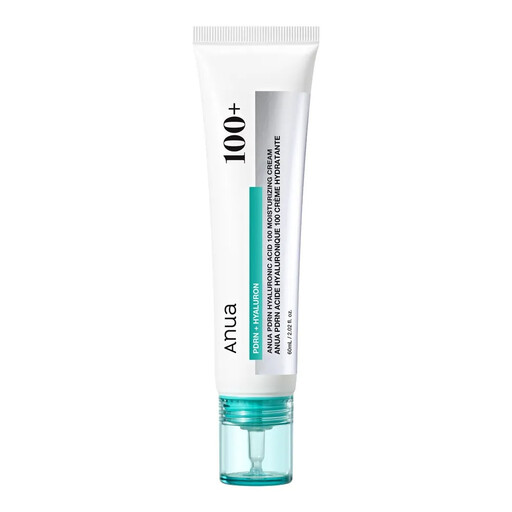
Why it suits this profile: This PDRN face cream is designed for those looking for a lightweight everyday formula with several forms of hyaluronic acid. The product information recommends using it in the morning and evening.
The choice isn’t based on PDRN alone: the full ingredients list also includes squalane, glycerine, niacinamide and different forms of hyaluronic acid. Don’t expect guaranteed anti-ageing effects.
60 ml size; lightweight formula; product information lists PDRN, collagen and several forms of hyaluronic acid.
We’ve put together a complete, up-to-date list of products that meet these strict selection criteria and current European safety regulations.
A richer formula with glycerine, squalane, panthenol, ceramides or hyaluronic acid is usually a good choice. Isntree Hyaluronic Acid Moist Cream and The Ceramide Skin Barrier Moisturizer contain several ingredients that may suit dehydrated or dry skin. Check that the texture doesn’t feel too heavy, and gradually increase how often you use it.
A gel cream usually feels lighter than a rich cream, which may make it more comfortable for oily or combination skin. Beauty of Joseon Red Bean Hydrating Gel Cream and PURITO Oat Soothing Gel Cream are examples with a gel texture. However, “suitable for acne-prone skin” isn’t a guarantee that it will suit everyone. Test a new product on a small area of skin first.
Always follow the use-by date and period after opening shown on the packaging. Keep the jar or tube closed, somewhere cool and out of direct sunlight. If the smell, colour or texture changes, stop using it. Using a clean spatula to take out a small amount also helps limit unnecessary contact with the product.
