
Vandaag of morgen in huis

Kwaliteit gegarandeerd

Welkomstaanbiedingen ontgrendelen: GRATIS bezorging | Tot 80% korting | Gratis 30 dagen JoyPlus-proefperiode
Download de app
A Korean face cream can be a practical addition to your daily routine, but the huge range of options can make choosing difficult. A lightweight gel cream, a rich moisturiser for dry skin and a retinol cream all serve very different purposes. So attractive packaging or a familiar ingredient name doesn’t automatically mean a product is right for your skin.
Look out for these three common pitfalls:
A hydrating face cream with a gel texture is often a good fit for normal, combination or oilier skin. A richer cream containing shea butter, oils or squalane may feel more comfortable on dry skin, especially in the evening or during cold, windy weather in the Netherlands.
Read the product description, but check the ingredients list too. A cream for sensitive skin isn’t automatically fragrance-free. For example, according to the listed ingredients, Medicube Salmon DNA PDRN Pink Hyaluronic Moisturizing Cream contains fragrance. If you prefer to avoid fragrance, it’s important to check the packaging.
For a skin barrier cream, ceramides, cholesterol, fatty acids, panthenol and squalane are all ingredients worth looking for. Ceramides are skin-identical lipids that help support the skin’s protective barrier. The presence of several ceramides is useful to know, but it doesn’t, by itself, tell you how your skin will react to the formula.
Glycerin, betaine and hyaluronic acid are commonly used to hydrate the skin. A face cream containing hyaluronic acid can leave your skin feeling more supple. If your skin is very dry, look for emollients and occlusive ingredients too, as these help reduce moisture loss.
Some people choose an anti-ageing face cream containing retinol to address early signs of skin ageing. According to the product information, The Retinol 0.1 Cream contains 0,1% retinol. Start with a small amount and don’t use it every evening straight away. Follow the directions on the packaging and use a sun protection product during the day. Stop using it if irritation persists, and ask a doctor or pharmacist for advice if you’re unsure.
Compare the volume in millilitres with the price, but also check how often the product is recommended for use. A 100 ml jar may be handy for everyday use, while a 20 ml product containing an active ingredient is often applied more sparingly.
Before buying and using a product, check:
Test a new product on a small area of skin first. Don’t use several new products containing active ingredients at the same time. If you experience redness, swelling, itching or a burning sensation, stop using the product.

Why it suits this profile: Its 100 ml size and focus on everyday hydration make this a straightforward option if you’re looking for your first Korean moisturiser.
The ingredients list names five forms of hyaluronic acid and, according to the product information, contains no ethanol. Always check the current packaging, though.
100 ml; glycerin, hyaluronic acid, shea butter and various plant oils.

Why it suits this profile: This formula is aimed at people who want to compare ingredients that support the skin barrier.
The ingredients list includes ceramides, cholesterol, phytosphingosine, panthenol, squalane and several forms of hyaluronic acid.
80 ml; a combination of ceramides, lipid-like ingredients and humectants.
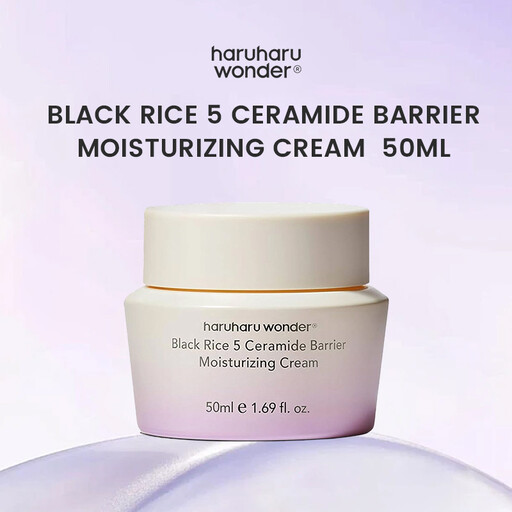
Why it suits this profile: A good option if you’re looking for a daily cream with ceramides and a non-greasy texture for sensitive or dry skin.
The listed ingredients include ceramide NP, AP and EOP, as well as allantoin and vitamin E. Stop using the product if irritation occurs, even if the formula is described as mild.
50 ml; five ceramides listed; glycerin and caprylic/capric triglyceride.
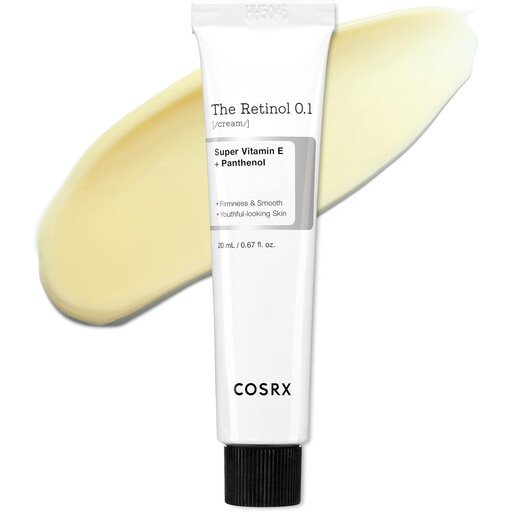
Why it suits this profile: This smaller pack is aimed at people who want to introduce retinol into their routine gradually.
The product information states that it contains 0,1% retinol and recommends building up use gradually, for example to three times a week. This helps reduce the risk of using it too often too soon.
20 ml; 0,1% retinol according to the product description; also contains panthenol.
We’ve put together a complete, up-to-date list of products that meet these strict selection criteria and the applicable European safety requirements.
It depends on the formula. Check the ingredients list for fragrance, alcohol and active ingredients. If you have sensitive skin, it’s best to choose a simple formula and test a small amount first. A claim such as “suitable for sensitive skin” doesn’t guarantee it will work for everyone.
Check the expiry date and the period-after-opening symbol on the packaging. Store the cream as directed, usually with the lid firmly closed and away from direct sunlight. If its smell, colour or texture changes, stop using it.
You can, but build your routine gradually. Start with a cleanser, moisturiser and sun protection product. Then, if you wish, add one active product, such as retinol. Introducing new products one at a time makes it easier to see how your skin reacts.
