
Vandaag of morgen in huis

Kwaliteit gegarandeerd

Welkomstaanbiedingen ontgrendelen: GRATIS bezorging | Tot 80% korting | Gratis 30 dagen JoyPlus-proefperiode
Download de app
A Korean face cream can be a great addition to your daily skincare routine, but choosing one isn’t always easy. Online shops often use terms such as “glow”, “pore care” and “skin barrier repair” quite broadly. As a result, you might end up buying a rich cream when you need a lightweight gel cream, or choosing an active ingredient that doesn’t suit your sensitive skin.
Look out for these three common pitfalls:
A good choice starts with your skin type and how you want to use the product. Always check the warnings on the packaging too. Cosmetics are for external use only; stop using the product if irritation occurs, and avoid contact with your eyes.
A hydrating face cream often contains humectants such as glycerin, betaine, panthenol or hyaluronic acid. These ingredients help retain moisture in the upper layers of the skin. A cream with several forms of hyaluronic acid, such as the Isntree Hyaluronic Acid Moist Cream, may be worth considering if you’re looking for a comfortable, hydrated feel.
A gel cream generally feels lighter than a rich cream. This can be a good choice for combination or oily skin, especially during the day or under sun cream. The Beauty of Joseon Red Bean Water Gel is described in the product information as having a lightweight gel texture, including for oily skin.
When choosing a skin barrier cream, ceramides, cholesterol, fatty acids, panthenol and squalane are all relevant ingredients to look for. They affect not only the product’s marketing claims, but also how rich and protective the formula may feel.
According to the listed ingredients, the The Ceramide Skin Barrier Moisturizer contains Ceramide NP, NS, AP, AS and EOP, as well as cholesterol, phytosphingosine, panthenol and hyaluronic acid. This makes it an interesting option if you’re looking for a ceramide cream with a richer feel. The product information also recommends a patch test, particularly for sensitive skin.
An anti-ageing face cream with retinol is not the same as an everyday moisturiser. According to the product description, The Retinol 0.1 Cream contains 0.1% retinol. Retinol can make your skin more sensitive, so it’s best to introduce it gradually. Use sun cream during the day, and don’t combine too many active products in one routine when you’re just starting out.
When choosing a spot-prone skin cream, it’s important to distinguish between skincare and treatment. According to the product description, a product with niacinamide, centella or tea tree may be designed for blemish-prone-looking skin, but this doesn’t guarantee a medical result. The SOME BY MI AHA-BHA-PHA cream contains exfoliating acids and explicitly warns that skin may become more sensitive to sunlight. Use sun protection and follow the warnings on the packaging.

Why it suits this profile: The lightweight gel texture is a practical choice for beginners looking for daily hydration without a heavy feel.
The product information describes a lightweight gel that doesn’t feel sticky, so you’re less likely to choose a cream that’s too rich for combination or oily skin.
100 ml size, gel cream texture, and a product description focused on hydration and pore care.

Why it suits this profile: The formula contains several ceramides and barrier-supporting lipids, making it a good choice if you like to compare ingredients carefully.
The ingredients list shows which ceramides, cholesterol and hydrating ingredients are included, rather than relying on a general barrier claim alone.
80 ml size, Ceramide NP, NS, AP, AS and EOP, plus sodium hyaluronate and panthenol.
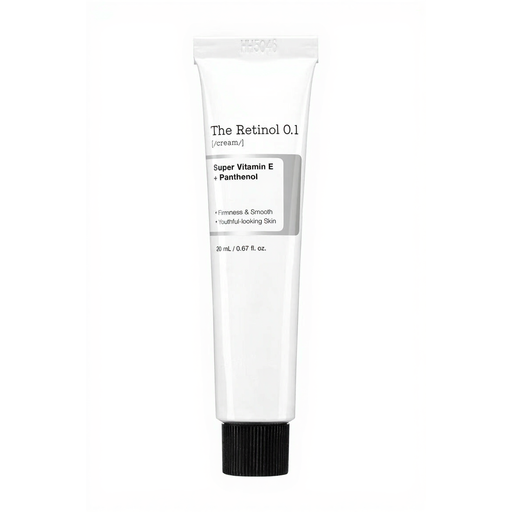
Why it suits this profile: A good choice if you want to add a retinol product to your evening routine with care.
The product information specifies a retinol concentration of 0.1%. This helps you tailor how you use it and avoid overloading your skin with several active products.
20 ml size, 0.1% retinol and additional hydrating ingredients such as hyaluronic acid and panthenol.
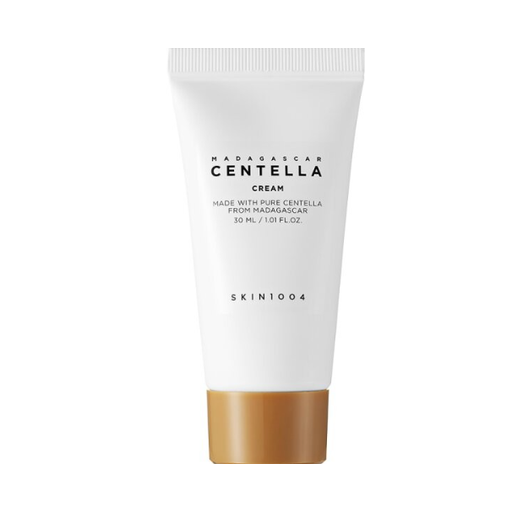
Why it suits this profile: The lightweight formula with centella, panthenol and TECA is a good option if you’re looking for a gentle everyday cream.
The product information describes a fast-absorbing texture and a formula that doesn’t feel heavy or greasy. If you have sensitive skin, always check the current ingredients list.
30 ml size, centella asiatica, panthenol and TECA; described in the product information as suitable for normal and sensitive skin.
We’ve put together a complete, up-to-date list of products that meet these strict selection criteria and current European safety regulations.
It depends on the formula. A simple moisturiser with glycerin, panthenol or ceramides can often be used morning and evening, following the instructions on the packaging. With retinol or exfoliating acids, it’s better to introduce them gradually. Use sun cream during the day if advised in the product warnings.
Look for a short, clear ingredients list and avoid ingredients you’ve reacted to before. Centella, panthenol and ceramides are often found in formulas for sensitive skin. A patch test on a small area of skin can help you spot an initial reaction, but it can’t offer a complete guarantee.
It depends on the size and how much you use each time. A 100 ml product will generally last longer with daily use than a 20 or 30 ml pack. Check the symbol or instructions showing how long the product can be used after opening, and store the cream in a cool, dry place away from direct sunlight.
