
Vandaag of morgen in huis

Kwaliteit gegarandeerd

Welkomstaanbiedingen ontgrendelen: GRATIS bezorging | Tot 80% korting | Gratis 30 dagen JoyPlus-proefperiode
Download de app
Buying a Korean face cream seems straightforward, until you have to choose between gel creams, rich barrier creams, ceramide formulas and products containing PDRN or hyaluronic acid. Marketing copy often highlights glowing skin, deep hydration or a strengthened skin barrier. But an eye-catching ingredient name doesn’t automatically mean the texture or formula is right for your skin.
As a Joybuy Product Recommendation Officer, I focus on the key information you can verify: ingredients, product type, size and usage advice. That way, you can avoid paying a premium just for a trending ingredient.
PDRN, niacinamide, ceramides and hyaluronic acid get plenty of attention. However, the full ingredient list determines how a cream feels and what it may be suitable for in practice. A hyaluronic acid cream, for example, can attract moisture, but dry skin may also need soothing oils, shea butter or silicones to feel comfortable.
It’s also important to be cautious about claims relating to PDRN. According to ANUA’s product description, sodium DNA, described as PDRN from salmon DNA, is used to give skin a cared-for appearance. This is a product claim made by the brand, not an established medical effect.
A cream labelled as suitable for all skin types may still feel too rich for oily skin or too light for dry skin. So, pay attention to the texture:
“Calming”, “clean” or “suitable for sensitive skin” aren’t reasons to skip checking the ingredient list. Look out in particular for fragrance, essential oils and any personal allergens you know you react to. For example, Medicube Salmon DNA PDRN Pink Hyaluronic Moisturizing Cream lists fragrance among its ingredients and recommends a patch test. That doesn’t automatically make the cream unsuitable, but it is useful information if you have sensitive skin.
For a face cream for dry skin, glycerine, hyaluronic acid, squalane, shea butter, jojoba oil and ceramides are useful ingredients to compare. If you’re looking for a face cream for oily skin, a lightweight gel texture with fewer occlusive oils may feel more comfortable.
If you’re looking for a skin barrier cream, look out for ceramide NP, ceramide AP, ceramide EOP, cholesterol, panthenol and fatty acids. These ingredients alone don’t mean a product treats a skin condition, but they do give you an idea of how the formula is designed to care for your skin.
Sizes vary considerably. A 50 ml pot or tube is handy for everyday use and travel, while 80 to 100 ml may offer better value if you use plenty. Also consider the packaging: a pot calls for hygienic use with clean hands, while a tube limits contact with the contents.
A lightweight cream may work better under sun cream and make-up during the day. A richer cream often works well as part of your evening routine. When using products containing tranexamic acid or niacinamide during the day, apply sun protection in line with the label instructions. For example, AXIS-Y’s product description recommends SPF 30 or higher for daytime use.
Cosmetics sold in the EU must display details including an ingredient list, product size, shelf-life information and the details of the responsible person. When your product arrives, check that the packaging is intact and that the information matches the product page.
Try a new Korean moisturiser on a small area of skin first, especially if you have sensitive skin. Stop using it if irritation, redness or swelling persists, and follow the manufacturer’s safety instructions. Avoid contact with your eyes, and don’t use the cream on damaged skin if the label advises against it.

Why it suits this profile: This 100 ml gel cream is an easy-to-try option if you’re looking for a lightweight everyday moisturiser, particularly if you have oily or combination skin.
The water-gel texture helps you avoid choosing a heavy cream without thinking it through. The product information lists 44% red bean extract and a peptide complex; check the full ingredient list before buying.
100 ml size, lightweight gel texture and suitability for use on the face and neck, morning and evening.
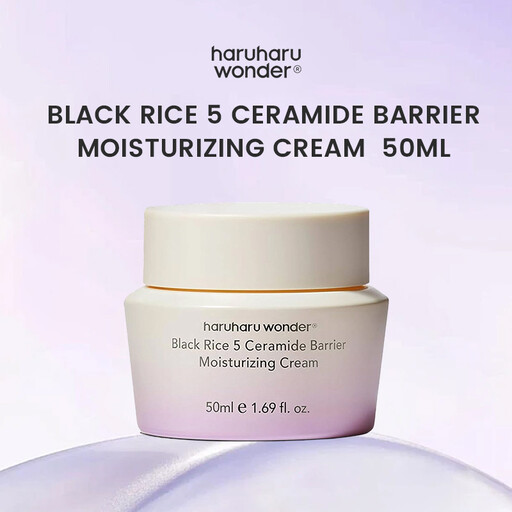
Why it suits this profile: A practical option if you want to use a ceramide cream with a more nourishing, barrier-focused formula every day.
The product information goes beyond mentioning black rice: it also specifies ceramides, allantoin and vitamin E. That means your choice isn’t based on just one trending ingredient.
Five ceramide types listed, 50 ml size and suitable for use as an everyday moisturiser in the morning and/or evening.

Why it suits this profile: This 100 ml cream is worth considering if you’re looking for richer everyday care with panthenol, ceramides and a broader moisturising base.
The choice is based on the full formula: three ceramides are listed alongside panthenol, glycerine, squalane and hyaluronic acid.
100 ml size, designed for use as the final step and, according to the product information, formulated with ceramide NP, AP and EOP.
We’ve put together a complete, up-to-date list of products that meet these strict selection criteria and current European safety requirements.
Apply the cream after cleansing, toner and serum, if you use one. Use a small amount on your face and neck, smoothing it in gently. During the day, follow with sun protection if it suits your routine. Introduce one new product at a time if your skin tends to react to ingredients.
A lightweight gel cream is often a practical choice, as it may feel less heavy on the skin. According to the product information, Beauty of Joseon Red Bean Hydrating Gel Cream is intended for oily skin and has a watery gel texture. The right choice will still depend on your personal preferences and the rest of your routine.
Always follow the use-by date and the symbol on the packaging. Keep the cream closed, at room temperature and away from direct sunlight or heat. If its smell, colour or texture changes, stop using it. Using clean hands and closing the packaging straight away will also help your cream last longer.
