
Vandaag of morgen in huis

Kwaliteit gegarandeerd

Welkomstaanbiedingen ontgrendelen: GRATIS bezorging | Tot 80% korting | Gratis 30 dagen JoyPlus-proefperiode
Download de app
A Korean face cream can be a great addition to your daily routine, but not every formula suits every skin type. A light gel cream feels comfortable on oily skin, while dry skin often benefits more from a richer cream containing oils, ceramides or panthenol.
The product name doesn’t tell the whole story. Pay particular attention to the ingredients list, texture and directions for use. This can help you avoid paying for an impressive-sounding claim, only to find that the cream feels too heavy, too light or unsuitable for your skin.
A list packed with plant extracts, peptides or different types of hyaluronic acid might sound appealing. But that doesn’t automatically mean the product is better suited to your skin. Start by looking for ingredients that match your needs:
If you have sensitive skin, also check for fragrance and essential oils. Even a vegan face cream can contain ingredients that you personally react to.
Words such as ‘repair’, ‘lifting’, ‘glow’ or ‘deep hydration’ don’t guarantee a particular result. For example, iUNIK reports results relating to hydration and the skin barrier for its Beta Glucan 3x Barrier Cream, based on its own research. Other brands’ information may state that ingredients such as PDRN, collagen or peptides can contribute to a smoother-looking complexion. Treat these as product information, not as a guaranteed effect for every user.
If you have sensitive skin, it’s a good idea to do a patch test. Stop using the product if you experience redness, itching, swelling or a burning sensation. If symptoms persist, consult a doctor or dermatologist.
A universal label tells you little about the texture. A cream containing shea butter and several oils may feel comfortable on dry skin, but heavy on oily or combination skin. Conversely, a light Korean moisturiser may not be enough for dry skin, especially in winter or when the air indoors is dry.
Choose a gel cream or light lotion if your skin gets shiny quickly, you don’t want to weigh down your pores, or you plan to wear the cream under make-up. A rich cream is often a better choice for dry skin, tightness or a routine focused on supporting the skin barrier.
For combination skin, a light cream may work all over the face, with an extra thin layer on drier areas. If you have oily skin, using less product is usually more practical than applying a very rich layer.
For a hydrating face cream, glycerine, betaine and hyaluronic acid are useful ingredients to compare. Hyaluronic acid sometimes comes in different molecular sizes, but its presence alone doesn’t guarantee better results.
If you want to support your skin barrier, look for ceramide NP, other ceramides, panthenol, cholesterol, squalane and fatty acids. A ceramide cream may be particularly appealing if you’re looking for a more comfortable feel with less tightness.
For a soothing routine, consider a centella cream containing Centella asiatica, or a formula with panthenol. Always check the full ingredients list and bear any known allergies in mind.
Compare the amount in millilitres and check the shelf-life information on the packaging. A 100 ml jar may seem like good value, but if you only use a small amount each day, the texture and scent could change before you finish it.
As a general rule, apply the cream as the final step in your skincare routine. During the day, sun protection is an essential part of a complete routine. Don’t introduce several new products at once; that makes it easier to see how your skin responds to each formula.
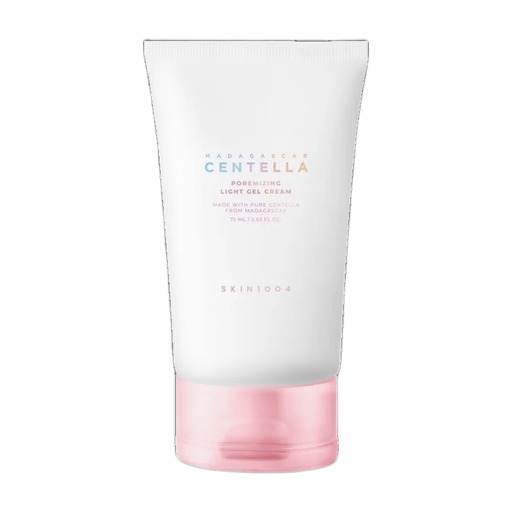
Why it suits this profile: The light gel texture is a good starting point if you’re trying a Korean moisturiser for the first time and don’t want a heavy finish.
The product description states that it contains 75 ml and has a fast-absorbing, lightweight formula. The ingredients list includes glycerine, niacinamide, Centella asiatica and several forms of hyaluronic acid.
Light gel cream; contains panthenol and hyaluronic acid; suitable for applying in a thin layer.
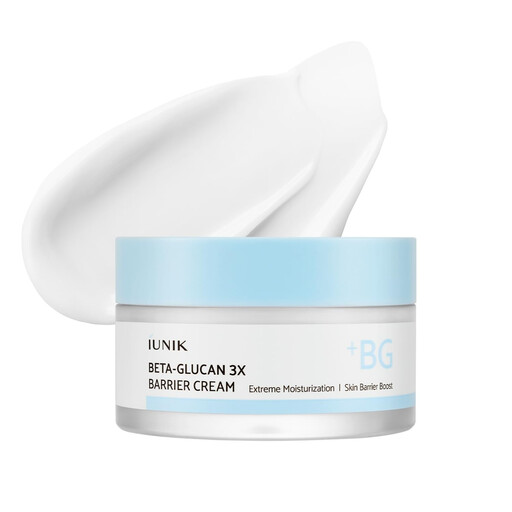
Why it suits this profile: This rich formula is a good match for anyone focused on long-lasting hydration and supporting dry or sensitive skin.
The formula lists 10.000 ppm beta-glucan, ectoin and panthenol. Claims about clinical results come from the brand’s information and shouldn’t be taken as a guarantee of personal results.
Rich texture; beta-glucan, ectoin and panthenol; described as vegan-friendly in the product information.

Why it suits this profile: The 100 ml size and barrier-supporting ingredients make this a good option for daily use if you have dry or sensitive skin.
The ingredients list is specific: ceramide NP, ceramide AP, ceramide EOP, panthenol, squalane and hyaluronic acid. This makes it easier to compare with other products than relying on the marketing name alone.
100 ml; several ceramides; panthenol, ectoin and Centella asiatica listed.

Why it suits this profile: This gel cream is designed for daily hydration and can also be used as a nourishing night cream.
The product information lists five types of hyaluronic acid, as well as ingredients including shea butter, argan oil, ceramide NP and panthenol. This means the formula is designed to hydrate and nourish the skin.
100 ml; five forms of hyaluronic acid according to the product description; listed as suitable for dry, normal and mature skin.
We’ve put together a complete, up-to-date list of products that meet these strict selection criteria and comply with current European safety regulations.
Look for a simple formula without fragrance or essential oils, and check for ingredients such as panthenol, ceramides and Centella asiatica. Always check the full ingredients list. Even a product labelled as suitable for sensitive skin may still cause irritation for you.
It depends on the formula and how your skin responds. Most moisturisers are designed for daily use in the morning and evening. When trying a new product, start with a small amount and only use more if your skin remains comfortable.
This depends on the size, how often you use it and how much you apply each time. A 50 ml product may last for several weeks or months if you apply a thin layer every day. Keep the cream closed, in a cool place and out of direct sunlight. Always follow the shelf-life information on the packaging.
