
Vandaag of morgen in huis

Kwaliteit gegarandeerd

Welkomstaanbiedingen ontgrendelen: GRATIS bezorging | Tot 80% korting | Gratis 30 dagen JoyPlus-proefperiode
Download de app
A Korean face cream can be a great addition to your daily skincare routine, but not every moisturiser suits every skin type. A lightweight gel cream feels comfortable on oily skin, while dry skin often benefits more from a richer formula containing lipids and soothing ingredients. So look beyond eye-catching packaging or promises of “glass skin”.
A body cream may have a pleasant fragrance and rich texture, but that does not automatically mean it is intended for the face. The Sol De Janeiro Bom Dia Bright Body Cream, for example, is described in the product information as a body cream containing fruit acids and vitamin C. That does not make it a Korean face cream, nor an obvious first choice for sensitive facial skin.
Always check the product type and recommended area of application. A cream for the face and neck will generally be clearly labelled as such.
A hyaluronic acid cream may sound appealing if you are looking for hydration, but it is the overall formula that determines how a product feels. Humectants such as glycerine and hyaluronic acid help attract moisture, while ingredients including squalane, ceramides and fatty acids can contribute to a more comfortable feel on the skin.
The rest of the ingredients list is also important when choosing a niacinamide cream. An active ingredient alone does not tell you whether the formula is rich, lightweight, fragranced or suitable for your skin.
A product description may state that a cream is suitable for all skin types. This does not mean that every user will find the same texture or amount comfortable. Dry skin may need a more occlusive product, while oily or blemish-prone skin often prefers a lightweight gel cream.
Also look out for fragrance, essential oils and known allergens. If you have sensitive skin, carry out a patch test on a small area first. Stop using the product if you experience burning, itching, swelling or persistent redness, and follow the safety instructions on the packaging.
Choose the texture based on both your skin and when you plan to use it:
For a skin barrier cream, ceramides, cholesterol, fatty acids, panthenol and squalane are relevant ingredients to look for. They are often used in formulas designed to help retain moisture and provide a comfortable feel on the skin.
A hyaluronic acid cream may contain several forms of hyaluronic acid in its ingredients list. This tells you that the formula contains different variants, but not how much difference you will personally notice. With retinol, the concentration is a specific point of comparison. The Retinol 0.1 Cream, for example, states that it contains 0.1% retinol. Use this type of product as directed and introduce it gradually; do not simply combine several strong active products.
Compare millilitres or grams with the expected frequency of use. A 100 ml jar may be appealing for daily use, while a 20 ml retinol cream is often applied more sparingly.
Check the following before buying and after receiving the product:
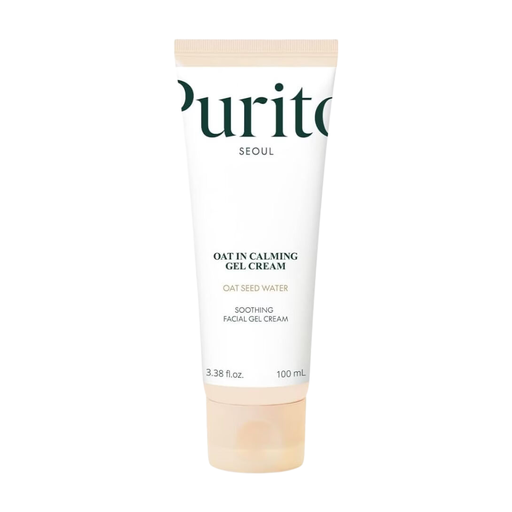
Why it suits this profile: The gel cream texture is suitable for daily use in the morning and evening. According to the product information, the formula contains 77% oat seed water, glycerine, panthenol, squalane and beta-glucan.
The product description clearly states that this is a face cream and mentions a lightweight formula without a greasy feel. If you have known allergies, always check the ingredients.
100 ml size; gel cream for hydration; panthenol, squalane and beta-glucan are listed in the provided ingredients list.
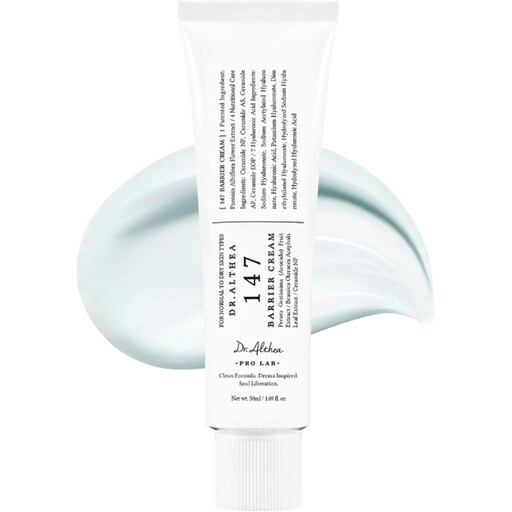
Why it suits this profile: This richer moisturiser is designed to help retain moisture and care for the skin barrier. The description mentions seven types of hyaluronic acid, ceramides, vitamin E and guaiazulene.
This choice is based on the listed ingredients rather than a marketing promise alone. The texture may feel heavier on oily skin.
Combination of hyaluronic acid and ceramides; designed as a nourishing, hydrating face cream; 50 ml size.
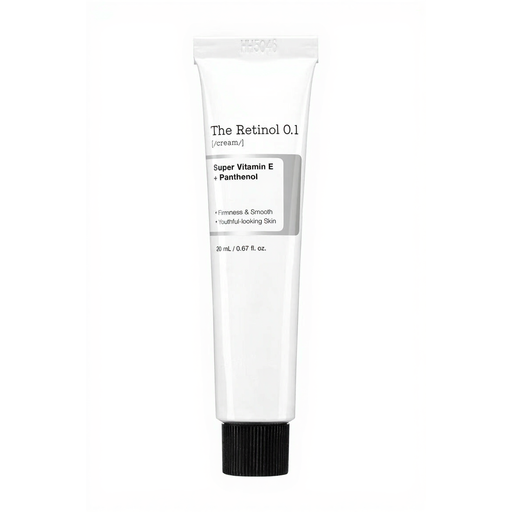
Why it suits this profile: If you are specifically looking for an anti-ageing face cream, the stated concentration of 0.1% retinol makes it easy to compare. According to the product information, the formula also contains hyaluronic acid and panthenol.
The retinol concentration is clearly stated, so you do not have to rely solely on the term “anti-ageing”. Introduce retinol gradually and follow the instructions on the packaging.
0.1% retinol; hydrating ingredients; compact 20 ml size for targeted use.
We have put together a complete, up-to-date list of products that fully meet these strict selection criteria and the applicable European safety regulations.
Apply the cream after cleansing and, if desired, after a serum. Use a small amount and spread it over your face and neck. If you have dry skin, you can apply a hydrating serum first, followed by a richer cream. A lightweight gel cream may feel more comfortable during the day, especially under sunscreen or make-up.
Introduce retinol products gradually and pay close attention to how your skin reacts. Add new products one at a time. This makes it easier to assess which product works well for you and which formula may be causing irritation.
Look for a moisturiser containing glycerine, panthenol, oils, squalane, ceramides or hyaluronic acid. According to the product information, Dr. Althea 147 Barrier Cream and Isntree Hyaluronic Acid Moist Cream contain several hydrating and soothing ingredients. The right choice also depends on the texture you prefer.
You can, but always check the full ingredients list and test the product on a small area of skin first. A face cream for sensitive skin is not automatically suitable for everyone. Pay particular attention to fragrance and any ingredients you have reacted to in the past.
Shelf life varies from one product to another. Check the expiry date, batch number and period after opening on the packaging. Store the cream in a cool, dry place away from direct sunlight, and close the packaging securely after every use. With jars, also bear in mind that the product may come into contact with your fingers, and use a clean spatula if one is supplied.
